
DIY Loft Insulation: Can You Insulate Your Loft Yourself?
Quick Answer: Some loft insulation upgrades can be installed by homeowners, particularly when laying insulation rolls between joists. However, DIY insulation is only suitable for simple loft spaces. Complex roofs, ventilation issues or insulation around wiring should usually be handled by professionals to ensure the insulation performs correctly and safely.
If you are considering insulating your loft yourself, it is important to understand when DIY insulation is appropriate and when professional installation is the better option.
What We Cover
- Can you insulate your loft yourself
- Common DIY loft insulation materials
- Basic loft insulation installation process
- Safety considerations
- When DIY insulation is not recommended
- DIY vs professional insulation costs
- FAQs
Can You Insulate Your Loft Yourself?
In many homes, it is possible to install loft insulation yourself if the loft is easy to access and the insulation is simply being topped up.
DIY installation is most suitable when:
- The loft joists are clearly visible
- There are no damp or ventilation problems
- Existing insulation just needs topping up
- The loft layout is simple
However, older insulation or moisture issues should always be assessed before installing new insulation.
Common DIY Loft Insulation Materials
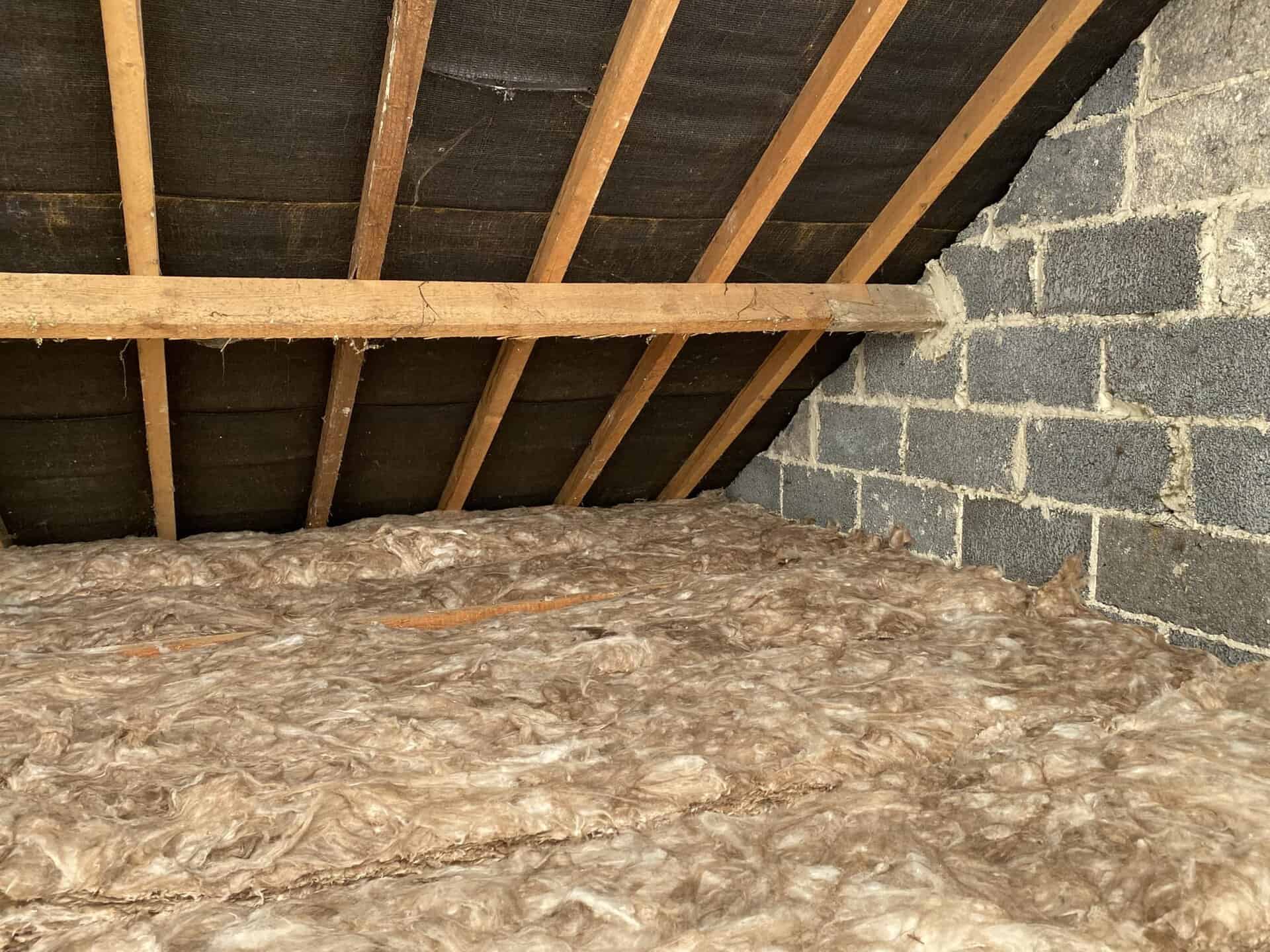
Most DIY loft insulation projects use mineral wool insulation rolls.
These rolls are designed to be laid between joists and then topped up with a second layer across the joists.
Advantages include:
- Affordable insulation material
- Easy to install
- Widely available in DIY stores
For natural alternatives, you may also consider:
Wool loft insulation.
Basic Loft Insulation Installation Process
The basic DIY process normally involves:
- Clearing the loft space
- Laying insulation between joists
- Adding a second layer across the joists
- Maintaining ventilation gaps at the eaves
Most homes aim for around 270mm of insulation depth for effective thermal performance.
Safety Considerations
Before installing insulation, it is important to check for potential hazards.
These may include:
- Electrical wiring
- Recessed lighting
- Water tanks and pipework
- Damp or condensation problems
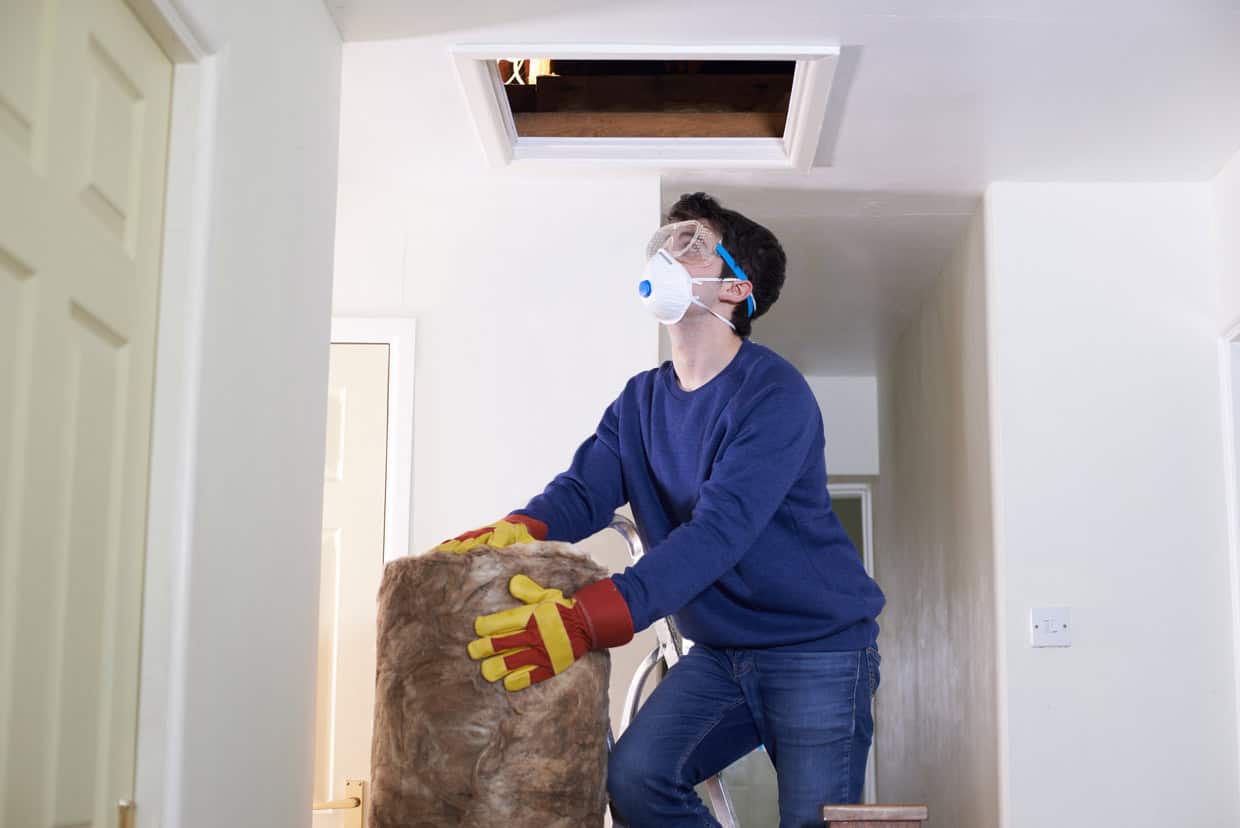
Protective gloves, masks and suitable clothing should also be used when handling insulation materials.
When DIY Loft Insulation Is Not Recommended
Professional installation is often the better option when:
- The loft structure is complex
- Old insulation needs removing
- There are damp or ventilation issues
- Spray foam insulation is present
Professional installers can assess the loft properly and ensure insulation performs correctly.
Learn more about professional installation here:
Loft insulation.
DIY vs Professional Insulation Costs
DIY insulation materials can cost between £200 and £500 depending on loft size and insulation thickness.
Professional loft insulation installation typically costs:
- Mineral wool insulation: £400 to £900
- Natural wool insulation: £800 to £1,800
- More complex insulation installations: £1,000+
Professional installation can be worthwhile because it ensures insulation is installed safely and performs efficiently.
DIY Loft Insulation FAQs
Is loft insulation easy to install?
In simple lofts it can be a manageable DIY project, but care must be taken to maintain ventilation and avoid compressing insulation.
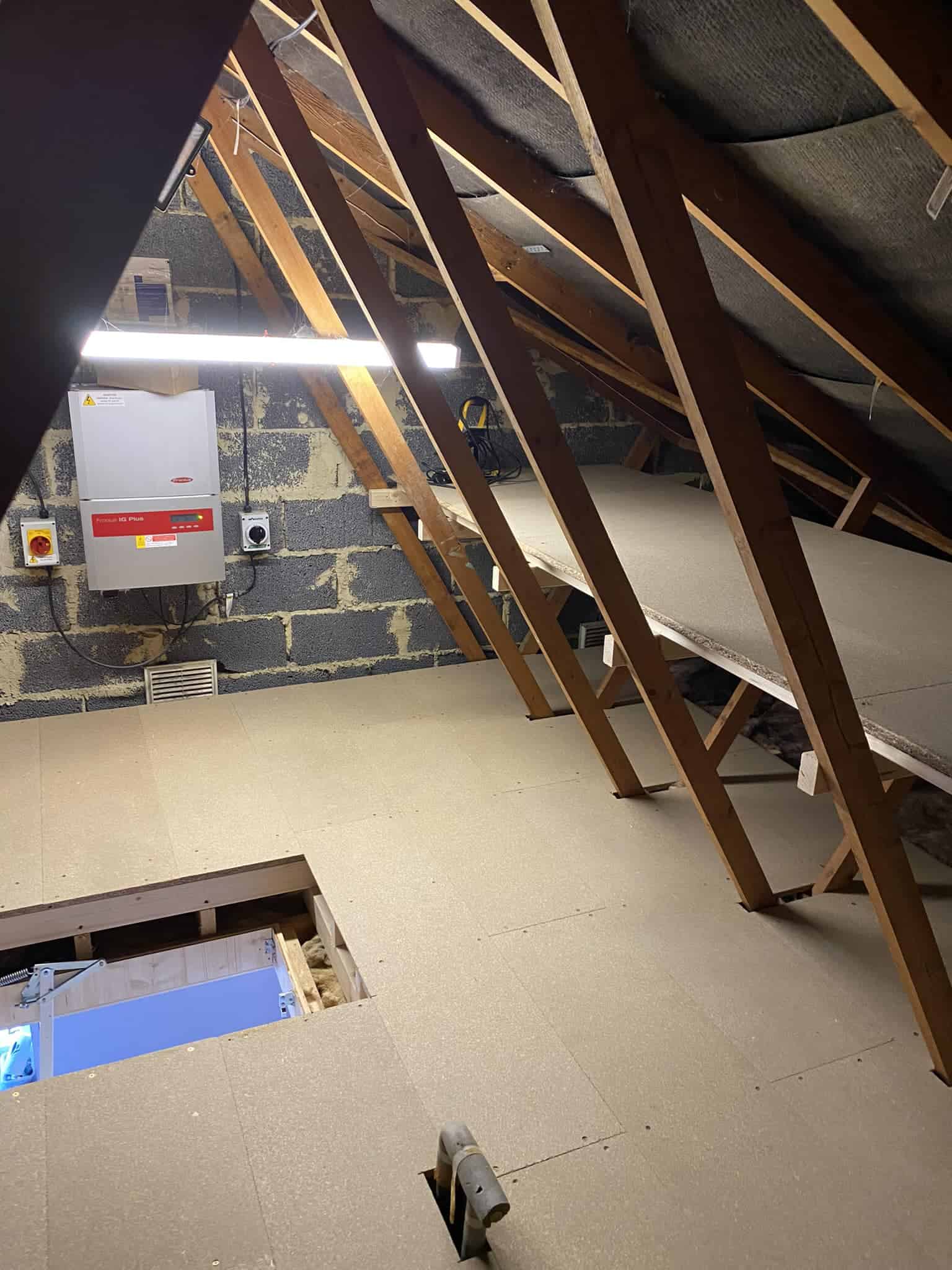
Can I put loft boards directly on insulation?
No. Boards should be raised above the insulation to avoid compressing the insulation layer.
How thick should loft insulation be?
Most homes aim for around 270mm of mineral wool insulation.
How much can loft insulation save on energy bills?
Proper loft insulation can significantly reduce heat loss and help lower heating costs.