

Is Spray Foam Insulation a Problem? What UK Homeowners Need to Know
Quick Answer: Spray foam insulation is not always a problem, but in many UK homes it can create issues with ventilation, roof inspections and mortgage approvals. Whether it becomes a concern depends on how it was installed, the type of roof construction and whether surveyors or lenders consider it a risk. In some situations, professional spray foam removal may be recommended to restore airflow and allow proper inspection of roof timbers.
Over the last few years, spray foam insulation has become one of the most talked-about loft topics in the UK. Some homeowners install it hoping to improve energy efficiency, while others only discover it when selling or remortgaging their property. This guide explains the reality behind spray foam insulation, helping you understand when it works, when it causes problems and what your options are.
What Is Spray Foam Insulation?
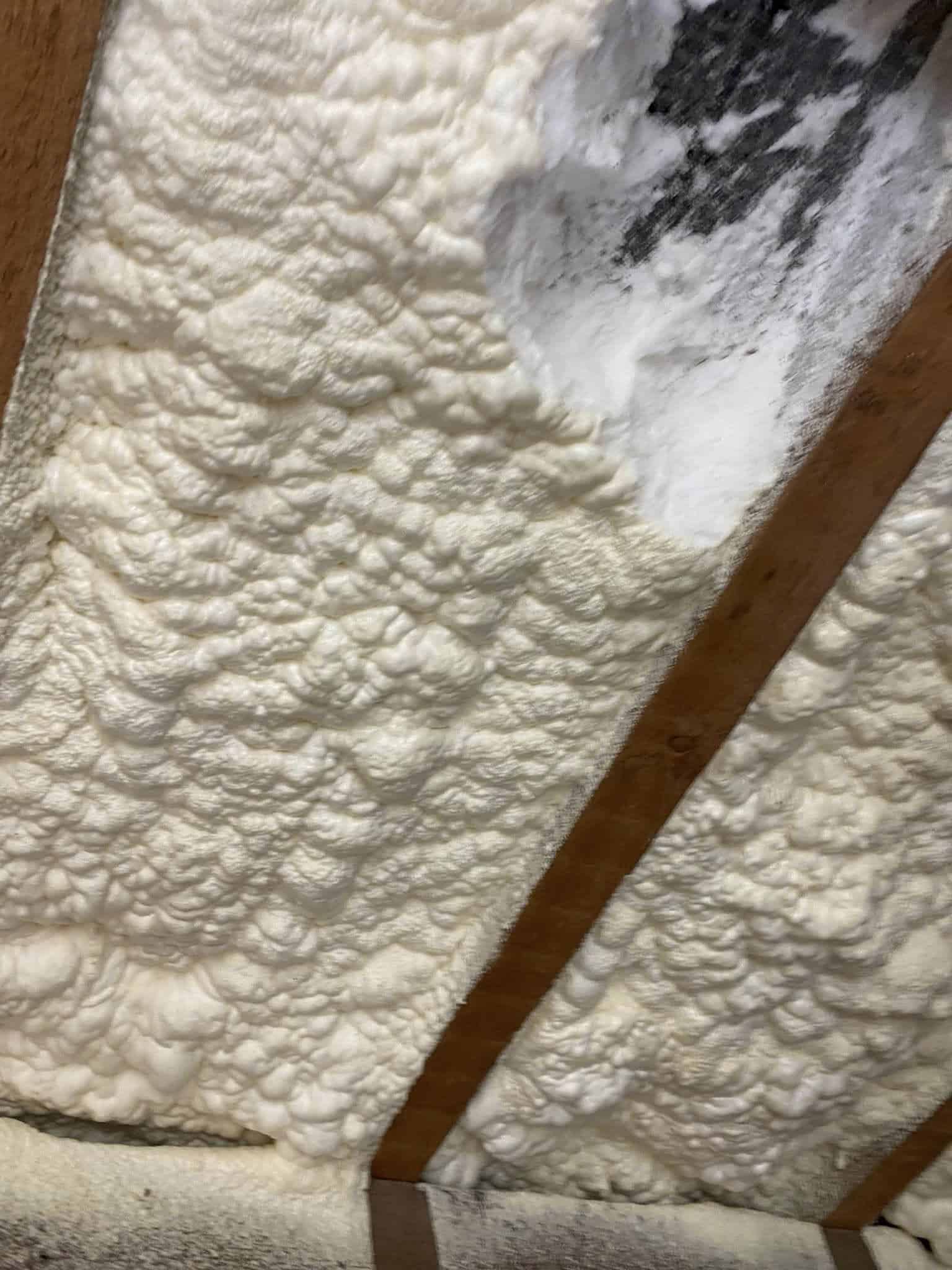
Spray foam insulation is applied as a liquid that expands into a foam, bonding directly to surfaces inside the loft. It is commonly sprayed onto the underside of roof tiles or between rafters to reduce heat loss.
The material creates an airtight layer intended to improve insulation performance. However, many traditional UK roofs rely on natural airflow, which means completely sealing the roof space can sometimes lead to unintended consequences.
If you are unsure how insulation should work in a typical loft, this guide explains more about modern loft insulation solutions.
Why Spray Foam Became Popular
Spray foam gained popularity because it promised strong insulation performance and quick installation. Marketing often highlighted energy savings and reduced draughts, which appealed to homeowners looking to improve efficiency.
In certain building types and controlled environments, spray foam can perform well. Problems tend to arise when installations are applied to older roof structures that were not designed for sealed insulation systems.
Common Problems Linked to Spray Foam Insulation
1. Reduced Roof Ventilation
Many UK lofts rely on airflow to manage moisture. Spray foam can restrict ventilation pathways, increasing the risk of condensation forming within the roof structure.
2. Hidden Roof Timbers
Because the foam bonds directly to timber, surveyors may struggle to inspect rafters properly. This can make it difficult to confirm the condition of the roof during surveys.
3. Mortgage and Valuation Issues
Some lenders treat spray foam insulation cautiously because hidden structural elements increase uncertainty during property assessments. This is often when homeowners first learn about potential concerns.
You can read more about this in our detailed guide: Spray foam insulation mortgage problems.
4. Difficult Maintenance and Repairs
If roof tiles need replacing or repairs are required, bonded foam can make access more complicated, increasing labour time and costs.
Is Spray Foam Always Bad?
No. Spray foam insulation is not automatically harmful. The outcome depends on:
- The type of foam used
- How it was installed
- The design of the roof
- Existing ventilation
- Property age and construction
Some properties experience no immediate issues, while others encounter problems when selling or upgrading the loft.
When Homeowners Consider Removal
Removal is commonly considered when:
- A mortgage lender requests it
- A survey highlights concerns
- Ventilation problems appear
- The homeowner plans a loft upgrade
- Property sale complications arise
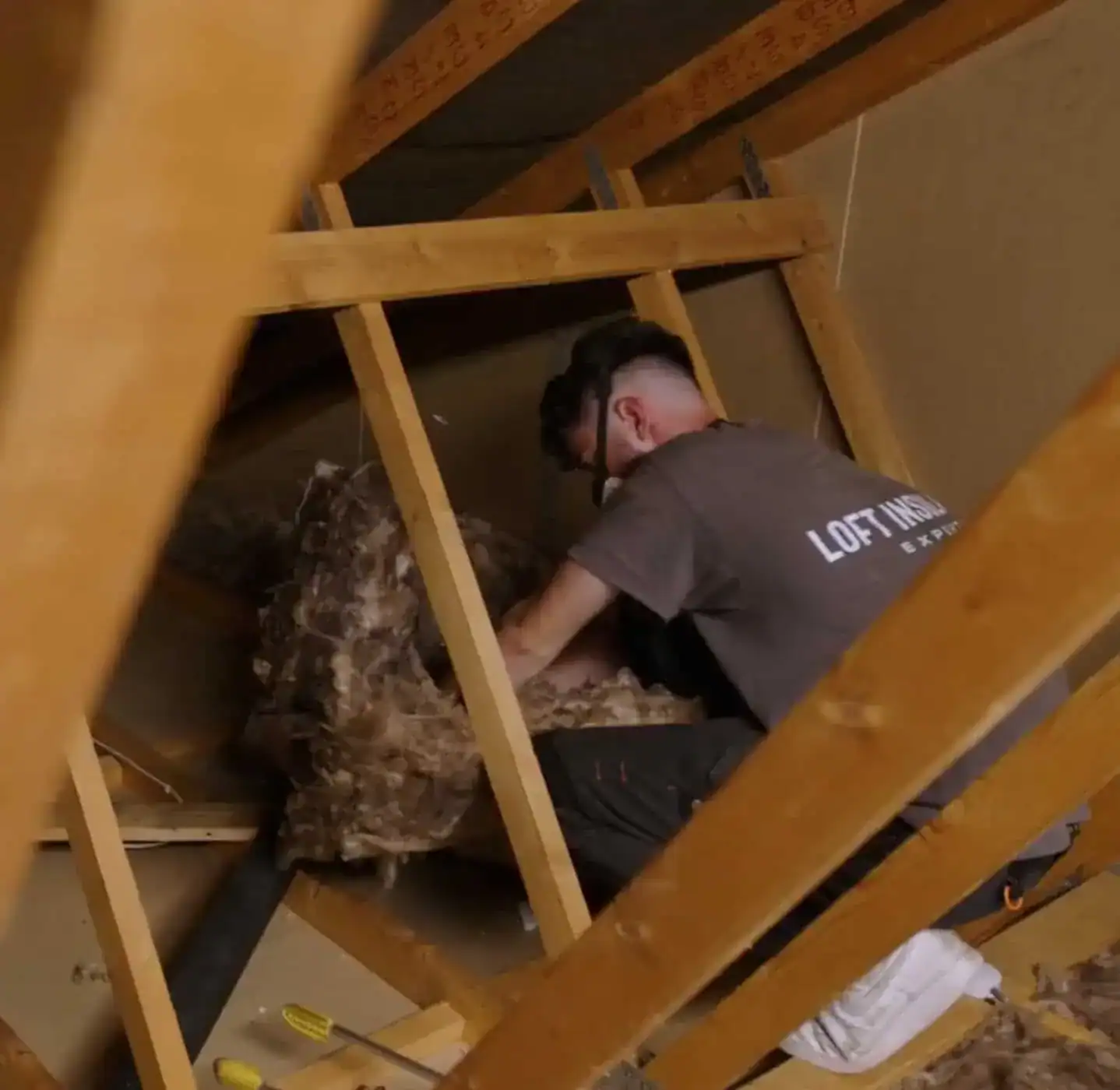
Professional spray foam removal restores airflow and allows the loft to be upgraded using breathable insulation materials.
What Happens After Spray Foam Removal?
Once foam insulation is removed, homeowners often take the opportunity to improve the entire loft space. This may include:
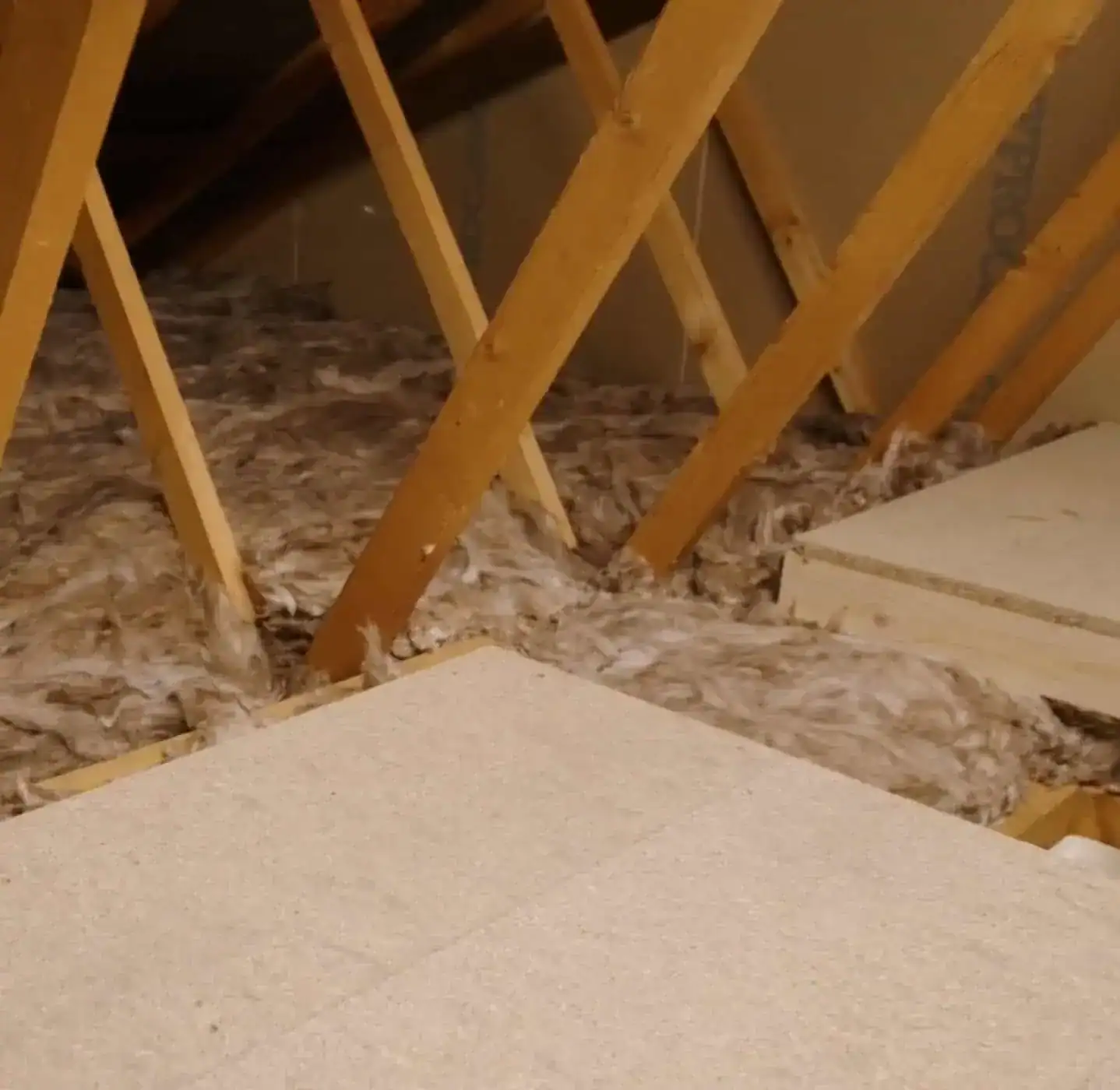
- Installing modern wool loft insulation
- Creating safe storage with raised loft boarding
- Improving access using loft ladder installation
Many homeowners choose a full upgrade through our loft improvement services to ensure everything works together efficiently.
How to Tell if Spray Foam Could Be a Problem in Your Loft
You may want a professional assessment if you notice:
- Foam attached directly to roof timbers
- Condensation or damp smells in the loft
- Surveyor concerns during valuation
- Difficulty selling or remortgaging
A specialist inspection can determine whether removal is necessary or whether the installation is performing as expected.
Expert Advice Before Making Decisions
Every property is different. Rather than assuming spray foam must be removed immediately, it is best to understand how your specific loft has been constructed and whether airflow or inspection access has been affected.
Loft Insulation Experts provide surveys across the South of England. You can check coverage here: areas we serve.
For more on why insulating at rafter level needs careful design, see our guide to warm lofts and cold lofts.
Final Thoughts
Spray foam insulation has become a complex topic because experiences vary widely between properties. While some installations perform without issue, others create challenges during surveys or property transactions.
If you have discovered spray foam insulation in your loft, the best next step is understanding how it affects your home rather than making assumptions. Professional advice helps you decide whether removal, improvement or monitoring is the right option.
Learn more about your options or request guidance here: Spray Foam Removal Services.