
Which Type of Loft Insulation Is Best?
Quick Answer: The best type of loft insulation for most UK homes is mineral wool insulation because it offers the best balance of cost, performance and ease of installation. However, the right option depends on how your loft is used, the available space, your budget and your long term plans. Rigid insulation boards are often best for loft conversions, while natural materials suit eco focused homes.
If you are deciding which loft insulation to install, this guide explains each option in detail, compares performance and costs, and helps you choose the best solution for your property.
What We Cover
- What determines the best insulation type
- Mineral wool insulation
- Fibreglass insulation
- Rigid insulation boards
- Spray foam insulation
- Natural insulation materials
- Comparison of insulation types
- Typical costs by insulation type
- Which insulation is best for your home
- FAQs
What Determines the Best Insulation Type
There is no single insulation type that is best for every home. The right choice depends on how your loft is used, the construction of your roof and what you want to achieve from the upgrade.
Key factors to consider include:
- Whether the loft is used for storage, access or living space
- The available height between joists and rafters
- Your budget and how long you plan to stay in the property
- The condition of any existing insulation
- Ventilation and moisture control within the loft
For example, a standard loft that is only used for storage will usually benefit from a thick layer of mineral wool insulation. However, a loft conversion requires a completely different approach using high performance boards fitted between rafters.
If you are unsure whether your current insulation is still performing properly, this guide may help: Can old loft insulation cause damp or condensation problems.
Mineral Wool Insulation
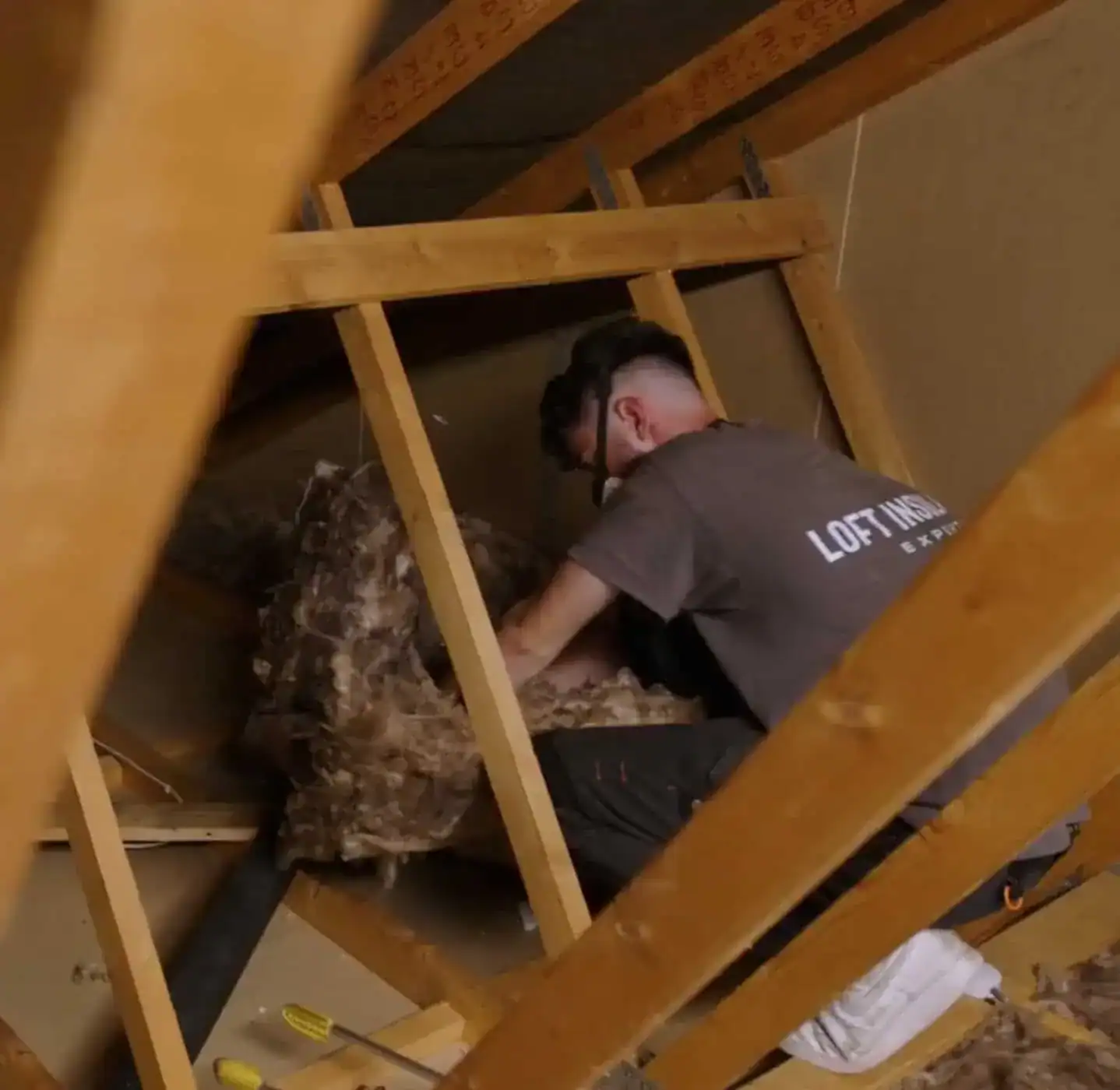
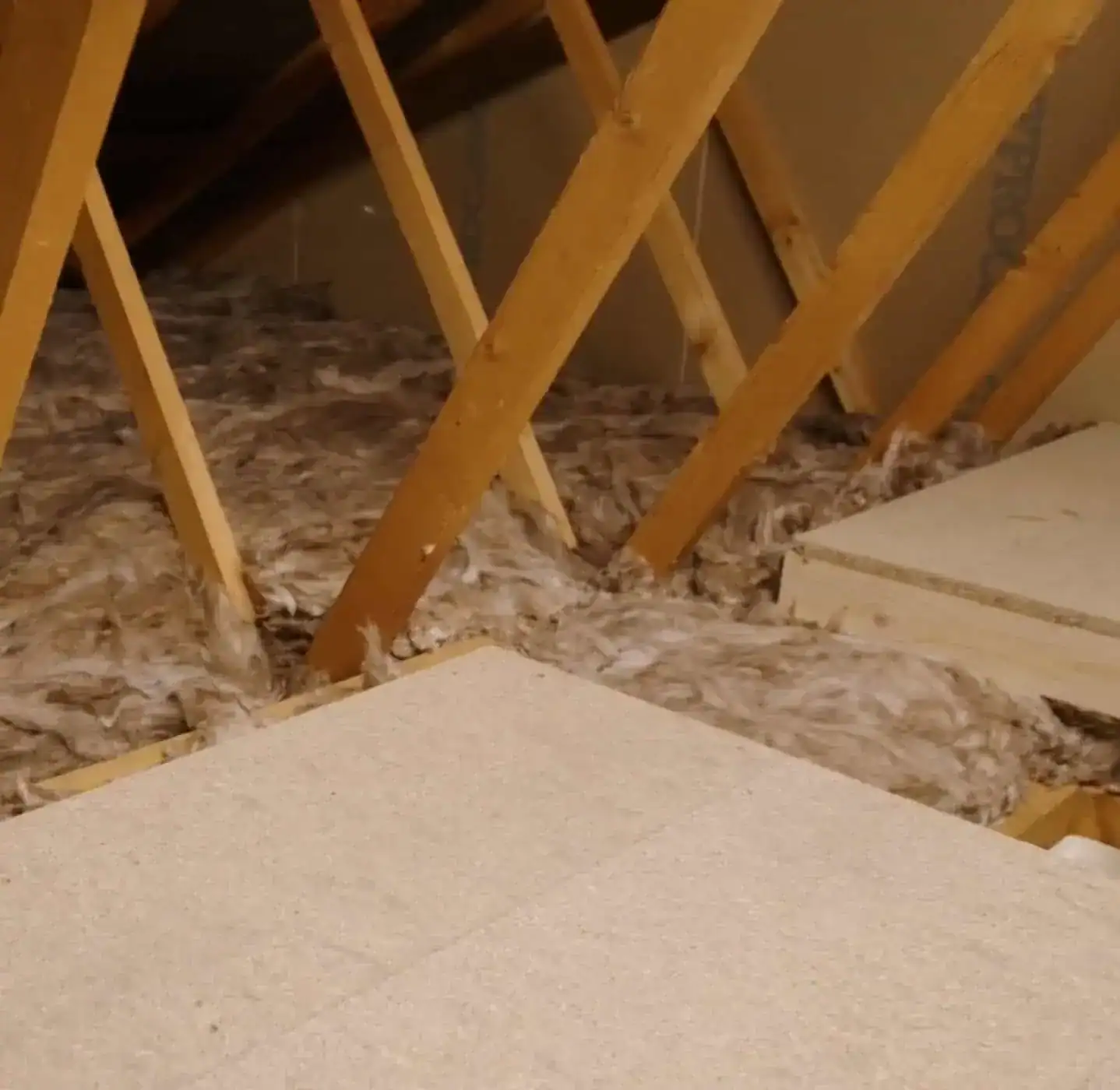
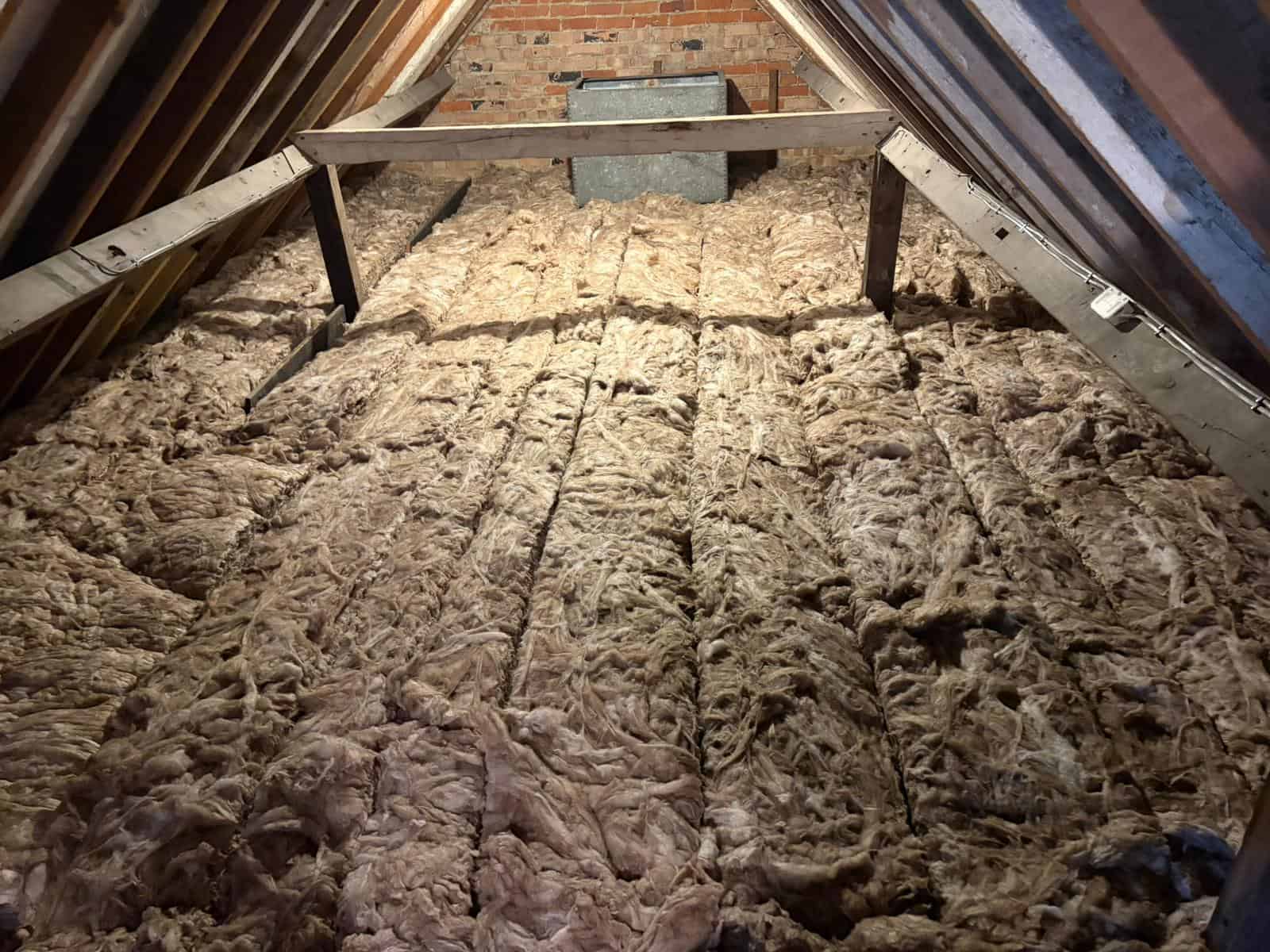
Mineral wool is the most widely used loft insulation in the UK and is suitable for the majority of homes. It is typically supplied in rolls and installed between and across loft joists to create a thick insulating layer.
Most properties aim for around 270mm of mineral wool to achieve good thermal performance and meet modern efficiency expectations.
Best for: Standard lofts, cost effective upgrades, topping up existing insulation
Advantages:
- Affordable compared to other insulation types
- Good thermal performance when installed correctly
- Non combustible and fire resistant
- Easy to install and widely available
- Ideal for topping up older insulation
Limitations:
- Requires significant depth to perform effectively
- Can lose performance if compressed
- Not suitable where headroom is limited
If you plan to use your loft for storage, it is important to avoid compressing the insulation. A raised system such as: Loft boarding helps maintain performance while creating usable space.
Fibreglass Insulation
Fibreglass insulation is very similar to mineral wool and is also commonly used in UK lofts. It is lightweight and flexible, making it easy to install in many roof spaces.
Best for: Budget insulation, topping up existing lofts
Advantages:
- Low cost insulation material
- Quick and easy to install
- Suitable for most standard lofts
Limitations:
- Can settle over time, reducing effectiveness
- Slightly lower performance compared to higher end materials
- Requires similar thickness to mineral wool
Fibreglass is often used as a like for like replacement or top up rather than a premium insulation upgrade.
Rigid Insulation Boards
Rigid insulation boards, commonly made from PIR or foam materials, provide very high thermal performance even in thinner layers.
They are typically installed between rafters or above ceilings and are often used in loft conversions or where space is limited.
Best for: Loft conversions, limited headroom, high performance insulation
Advantages:
- Excellent thermal efficiency
- Requires less thickness than roll insulation
- Strong and durable material
Limitations:
- More expensive than mineral wool or fibreglass
- Requires precise installation for best results
- Usually installed by professionals
Rigid boards are often the best option when converting a loft into a usable room, as they maximise insulation while preserving space.
Spray Foam Insulation
Spray foam insulation is applied as a liquid that expands to fill gaps and create an airtight seal. It can be installed directly onto roof tiles or between rafters.
While it provides strong insulation performance, it has become controversial in the UK.
Best for: Specialist applications with expert guidance
Advantages:
- Creates an airtight seal
- Fills gaps and irregular spaces
- Can improve structural rigidity
Limitations:
- High installation cost
- Can affect ventilation if not installed correctly
- May cause issues during property surveys or mortgage applications
If you are considering this option, it is important to understand the risks: Spray foam insulation mortgage problems.
Natural Insulation Materials
Natural insulation materials such as sheep’s wool or wood fibre are becoming increasingly popular, particularly among environmentally conscious homeowners.
These materials are breathable and can help regulate moisture within the loft.
Best for: Eco focused homes, moisture sensitive properties
Advantages:
- Environmentally friendly materials
- Breathable and moisture regulating
- Pleasant and safe to handle
Limitations:
- Higher cost than standard insulation
- Less commonly available
More information can be found here: Wool loft insulation.
Comparison of Loft Insulation Types
Choosing the best insulation type often comes down to balancing cost, performance and practicality.
- Mineral wool: Best all round solution for most UK homes
- Fibreglass: Budget option for basic insulation upgrades
- Rigid boards: Best for loft conversions and limited space
- Spray foam: Specialist option with potential drawbacks
- Natural materials: Best for eco conscious households
For most homeowners, mineral wool remains the most practical and cost effective choice.
Typical Costs by Insulation Type
The cost of loft insulation varies depending on the material, loft size and installation complexity.
Typical UK price ranges:
- Mineral wool insulation: £400 to £900
- Fibreglass insulation: £350 to £800
- Natural wool insulation: £800 to £1,800
- Rigid insulation boards: £1,000 to £2,500
- Spray foam insulation: £2,000 to £5,000
Additional costs may include removing old insulation, improving ventilation or installing storage solutions.
For more detail, see: Loft insulation cost: 6 key factors.
Which Insulation Is Best for Your Home
For most UK homes, the best insulation option depends on how the loft is used.
In general:
- Mineral wool is the best overall choice for standard lofts
- Fibreglass is suitable for basic or budget upgrades
- Rigid boards are ideal for loft conversions
- Natural insulation suits eco focused projects
- Spray foam should only be considered with expert advice
If you are unsure which insulation is right for your property, you can explore your options here: Loft insulation.
Whichever material you choose, depth matters. Our guide on how much loft insulation you need explains the recommended levels for UK homes.
Loft Insulation FAQs
What is the most cost effective loft insulation?
Mineral wool is usually the most cost effective option for standard loft spaces.
Which insulation performs best in small spaces?
Rigid insulation boards provide high performance in thinner layers, making them ideal for limited spaces.
Is spray foam insulation a good idea?
It can be effective in certain situations, but it should be carefully considered due to potential long term implications.
Can I combine different types of insulation?
Yes, some projects use a combination of materials, but this should be planned carefully to ensure proper ventilation and performance.