


Can Old Loft Insulation Cause Damp Or Condensation Problems?
Old loft insulation can sometimes do more harm than good. If it is damaged, compacted or badly installed, it can trap moisture, cause condensation and even lead to damp and mould in your home.
In this guide, we explain how it happens, what to look out for, and how Loft Insulation Experts can fix it for you.
In this guide
- What is loft damp and condensation
- Can old loft insulation cause damp
- Signs your insulation is causing moisture problems
- The extra risk with spray foam insulation
- How Loft Insulation Experts fix the problem
- How to prevent damp after new insulation
- Frequently asked questions
- Next steps
What is loft damp and condensation?
Warm air inside your home carries moisture from everyday activities such as cooking, showering and drying clothes. That warm air naturally rises into the loft. If it can escape through a breathable roof and good ventilation, it is usually not a problem.
Issues start when moisture gets trapped. If the loft is poorly ventilated, or the roof covering cannot breathe, the warm moist air hits cold surfaces and turns into water droplets. This is condensation. Over time, that moisture can soak into timbers, insulation and plasterboard, leading to damp patches, mould and even structural damage.
Can old loft insulation cause damp?
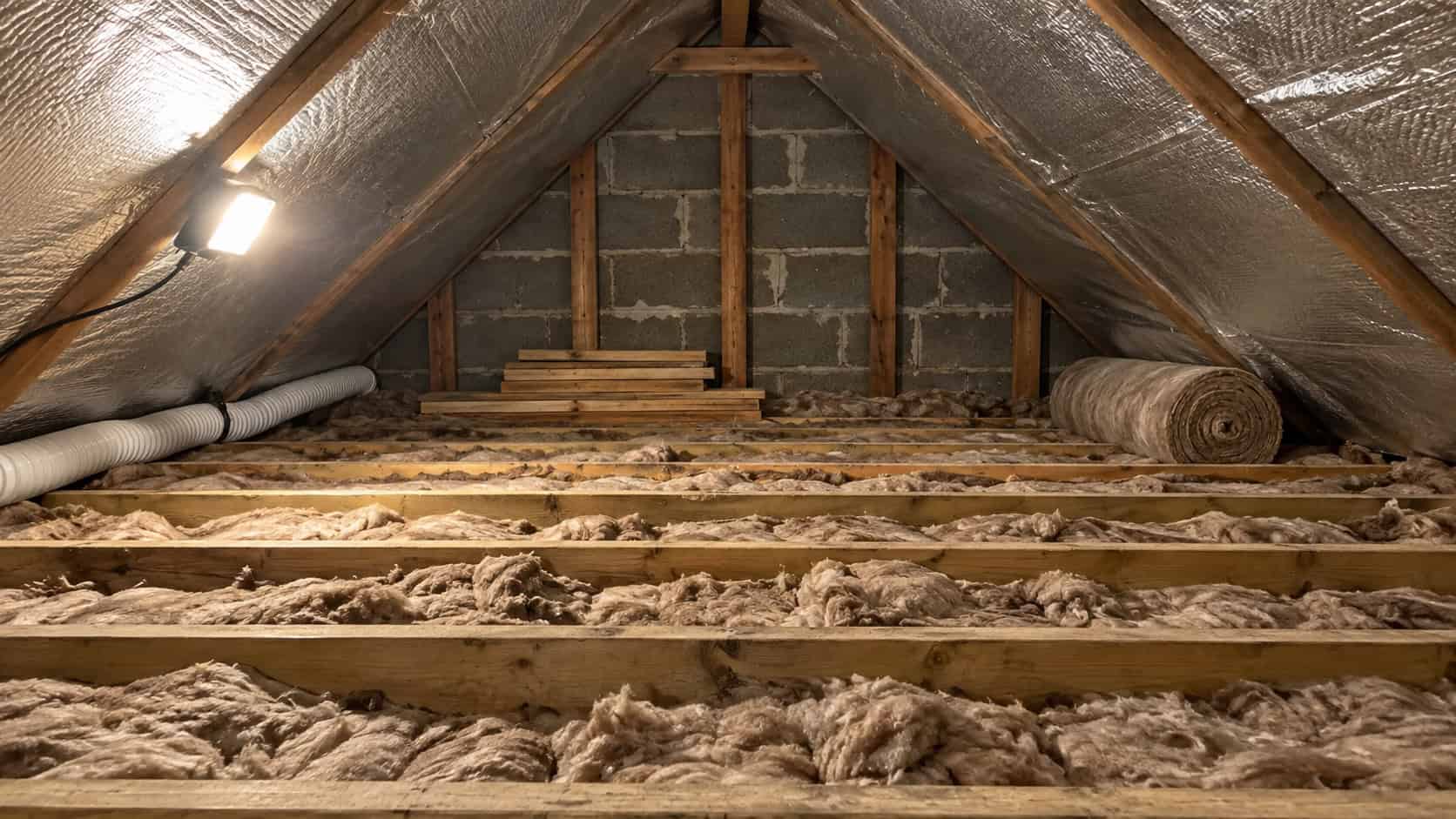
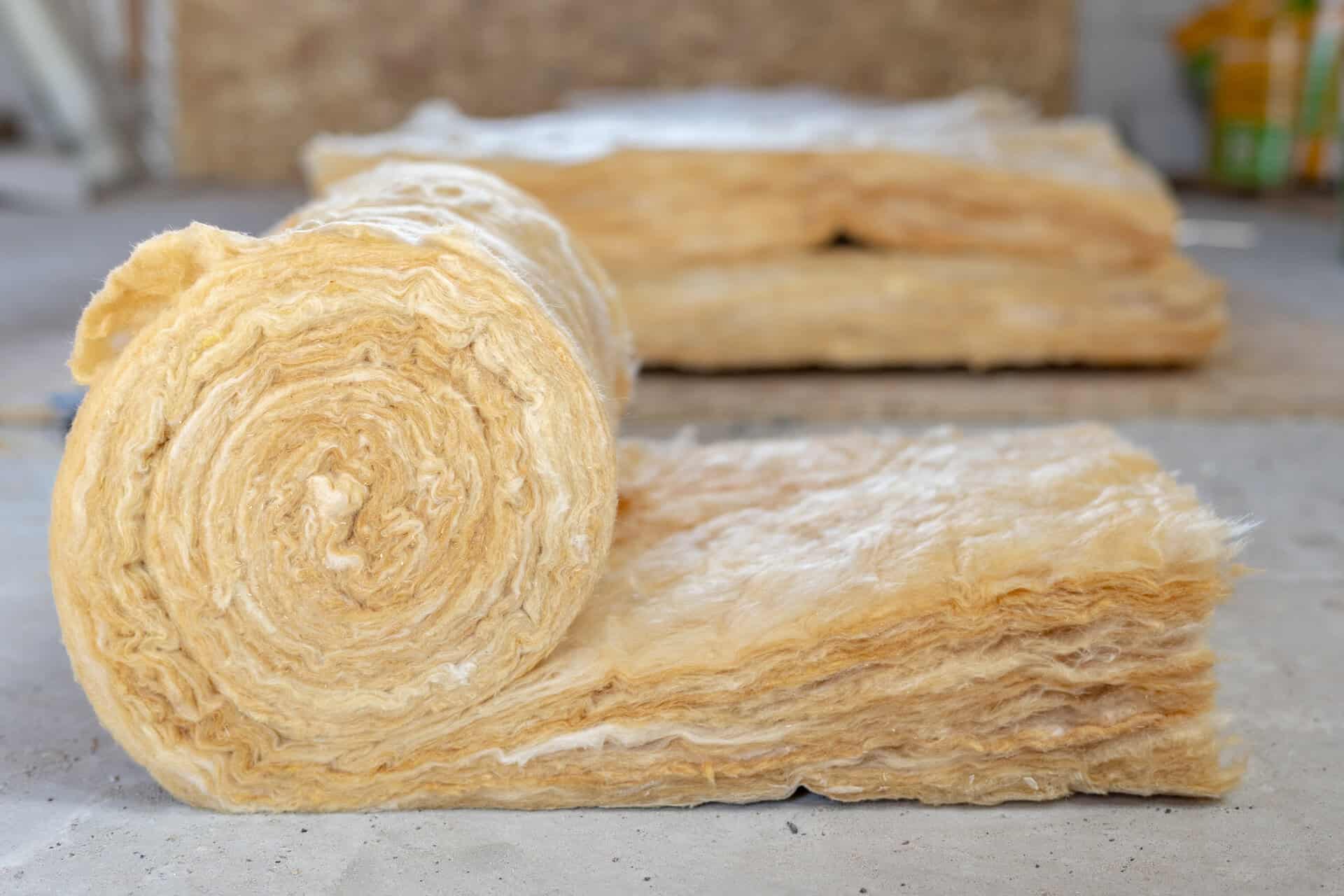
Yes, old or badly installed loft insulation can contribute to damp and condensation problems. Insulation is meant to keep heat in, but when it is compressed, wet or blocking airflow, it can stop the roof space from breathing properly.
Common ways old insulation causes damp include:
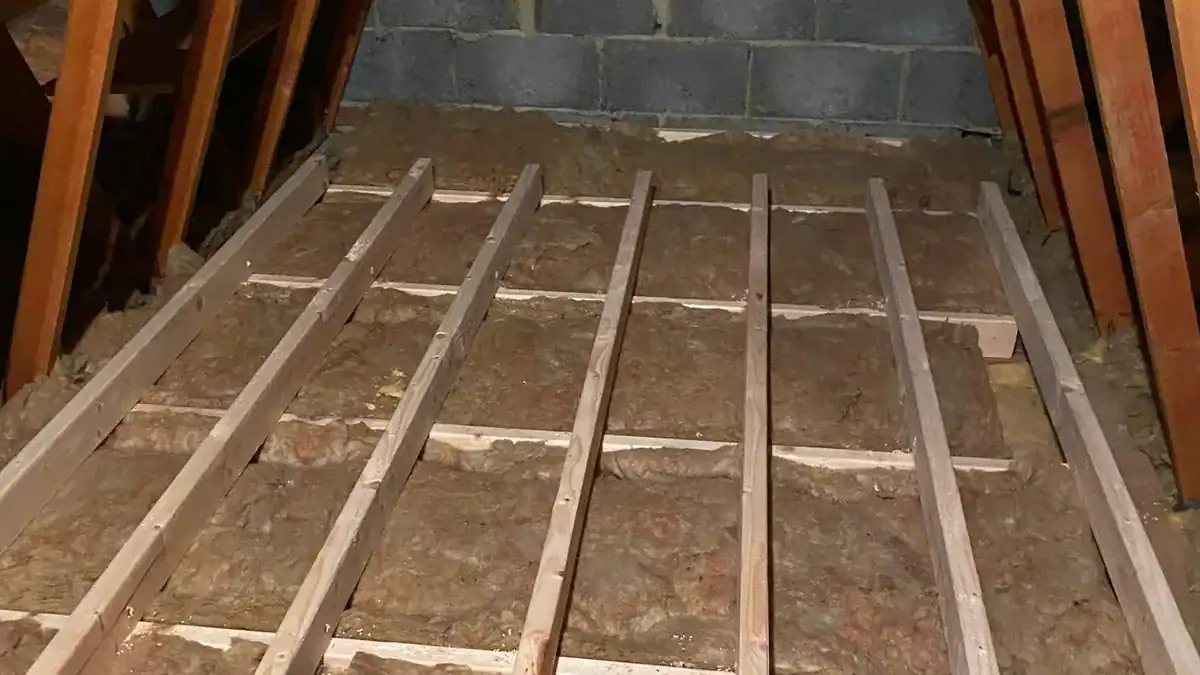
- Compacted insulation that has been squashed by storage boxes or boards, reducing ventilation gaps.
- Wet or contaminated insulation that soaks up moisture instead of allowing it to evaporate.
- Insulation pushed into the eaves and over vents, which blocks vital airflow at the edges of the roof.
- Mixed and layered materials added over the years with no clear plan, creating cold spots and moisture traps.
In older properties, outdated roofing felt, blocked air bricks or previous DIY insulation can make the problem worse. The result is a loft that looks insulated, but is actually hiding growing damp issues behind the scenes.
Signs your loft insulation is causing moisture problems
It is not always obvious when insulation is making damp worse, rather than better. Some of the most common warning signs include:
- Musty or damp smells in upstairs rooms or the loft.
- Black mould or mildew on rafters, roof felt or the back of plasterboard.
- Condensation or frost forming on roof timbers during cold weather.
- Damp patches, staining or peeling paint on ceilings and high level walls.
- Insulation that feels heavy, clumped together or visibly wet.

If you notice one or more of these, it is worth booking a professional loft survey. Catching the problem early is far cheaper than repairing rotten timbers or replacing ceilings later.
The extra risk with spray foam insulation
Spray foam insulation is one of the biggest causes of trapped moisture in UK lofts. It is usually sprayed directly onto the underside of the roof, sealing everything into a solid layer.
While this can look neat at first, it often creates serious issues:
- The roof covering and timbers can no longer breathe properly.
- Any moisture that gets behind the foam has nowhere to go.
- Hidden condensation can build up and lead to timber decay.
These problems are one of the reasons many lenders are now cautious about properties with spray foam in the roof. It can hide damage and make it hard to inspect the condition of the structure.
If you have spray foam on your roof, our spray foam removal service can safely strip it back, expose the timbers and restore proper ventilation before new insulation is installed.
How Loft Insulation Experts fix the problem
The most reliable way to deal with damp caused by insulation is to remove the old material and start again with a properly designed, breathable system. At Loft Insulation Experts, we follow a clear step by step process for homes across Hampshire.
- Free loft survey
We assess the condition of your insulation, timbers and roof covering, check for signs of damp and identify any ventilation problems. - Safe removal of old insulation
We carefully remove and bag up old, wet or contaminated insulation materials, including spray foam where required, and arrange responsible disposal. - Cleaning and preparation
Once the loft is cleared, we clean down the area, check for leaks and ensure vents and airflow paths are open. - Installation of new insulation
We install modern, high performance loft insulation to the correct depth, making sure it is fitted neatly and does not block ventilation at the eaves. - Energy performance check
We can provide an EPC focused survey so you can see how your home’s efficiency has improved after the work.
The result is a loft that is warmer in winter, cooler in summer and far less likely to suffer from damp or condensation problems in future.
How to prevent damp after new insulation
Once your loft has been professionally insulated, there are a few simple steps you can take to keep it dry and healthy.
- Keep loft vents, soffits and air bricks clear of insulation and debris.
- Avoid overloading the loft with boxes that squash the insulation and restrict airflow.
- Use extractor fans in kitchens and bathrooms to reduce excess moisture in the home.
- Check the loft occasionally during colder months for any signs of condensation or leaks.
- Make sure the loft hatch is insulated and draught sealed to reduce warm moist air rising uncontrolled.
These small checks, combined with correctly installed insulation, will help protect your home for years to come.
Frequently asked questions
Can I just add more insulation on top of the old material?
If the existing insulation is wet, compacted or mouldy, adding more on top will not solve the problem and can make damp worse. It is usually better to remove the damaged material and start again with a clean, dry loft.
Will new loft insulation make my damp problem go away?
New insulation can help, but only if the underlying cause is fixed first. That means checking ventilation, dealing with leaks and removing any wet or contaminated insulation. Our surveys always look at the whole picture, not just the thickness of the insulation.
Is spray foam removal always necessary?
If spray foam is causing trapped moisture, hiding the condition of the roof or affecting mortgage options, removal is often the safest long term choice. We can advise on the best approach after a full inspection of your loft.
How long does the work usually take?
Most domestic loft insulation removal and replacement projects can be completed within a day once everything is booked in, although larger or more complex properties can take longer. We will confirm timescales after your survey.
Next steps
If you are worried that old loft insulation might be causing damp or condensation in your home, the best next step is to book a professional survey.
Our Hampshire based team at Loft Insulation Experts can inspect your loft, explain exactly what is going on and give you clear options for removal and replacement.
Contact us today to arrange your free loft survey and quote, and start protecting your home from hidden damp problems.