

Do New Build Homes Need Loft Insulation? (UK Guide)
Quick Answer: Yes, new build homes in the UK already include loft insulation to meet building regulations, but this does not always mean it is optimal. Many new builds have insulation installed to the minimum standard, and topping it up or improving the installation can further reduce heat loss, lower energy bills and improve comfort.
If you own or are moving into a new build property, this guide explains how loft insulation works in new homes, whether upgrades are worthwhile, and what to look out for.
What We Cover
- Loft insulation in new build homes
- Is new build insulation enough
- Common insulation issues in new builds
- Should you upgrade loft insulation
- Typical upgrade costs
- FAQs
Loft Insulation in New Build Homes
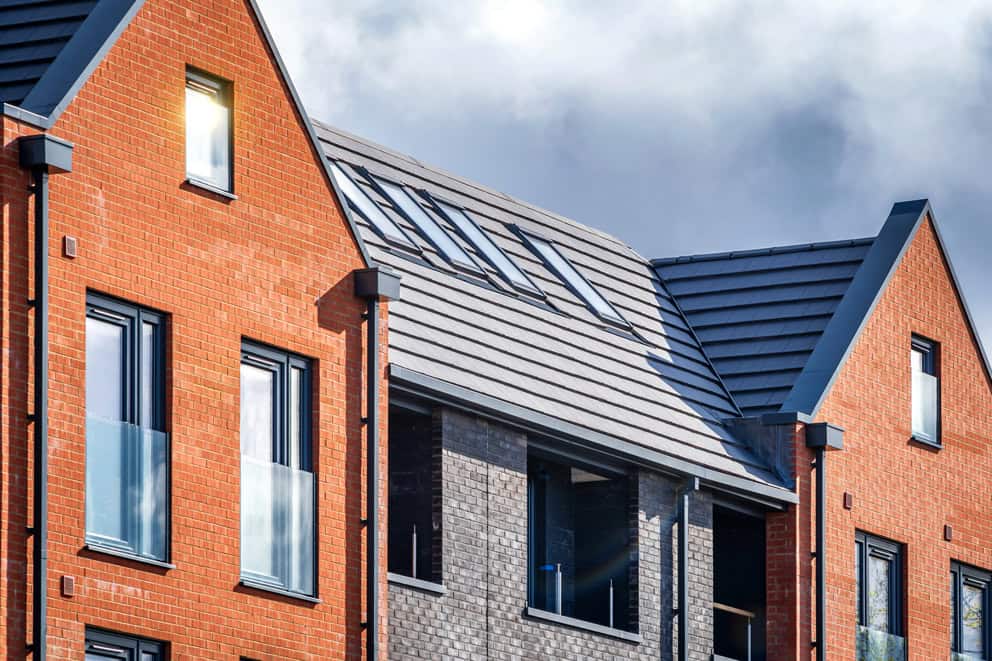
New build homes in the UK are constructed to meet modern building regulations, which include requirements for insulation and energy efficiency.
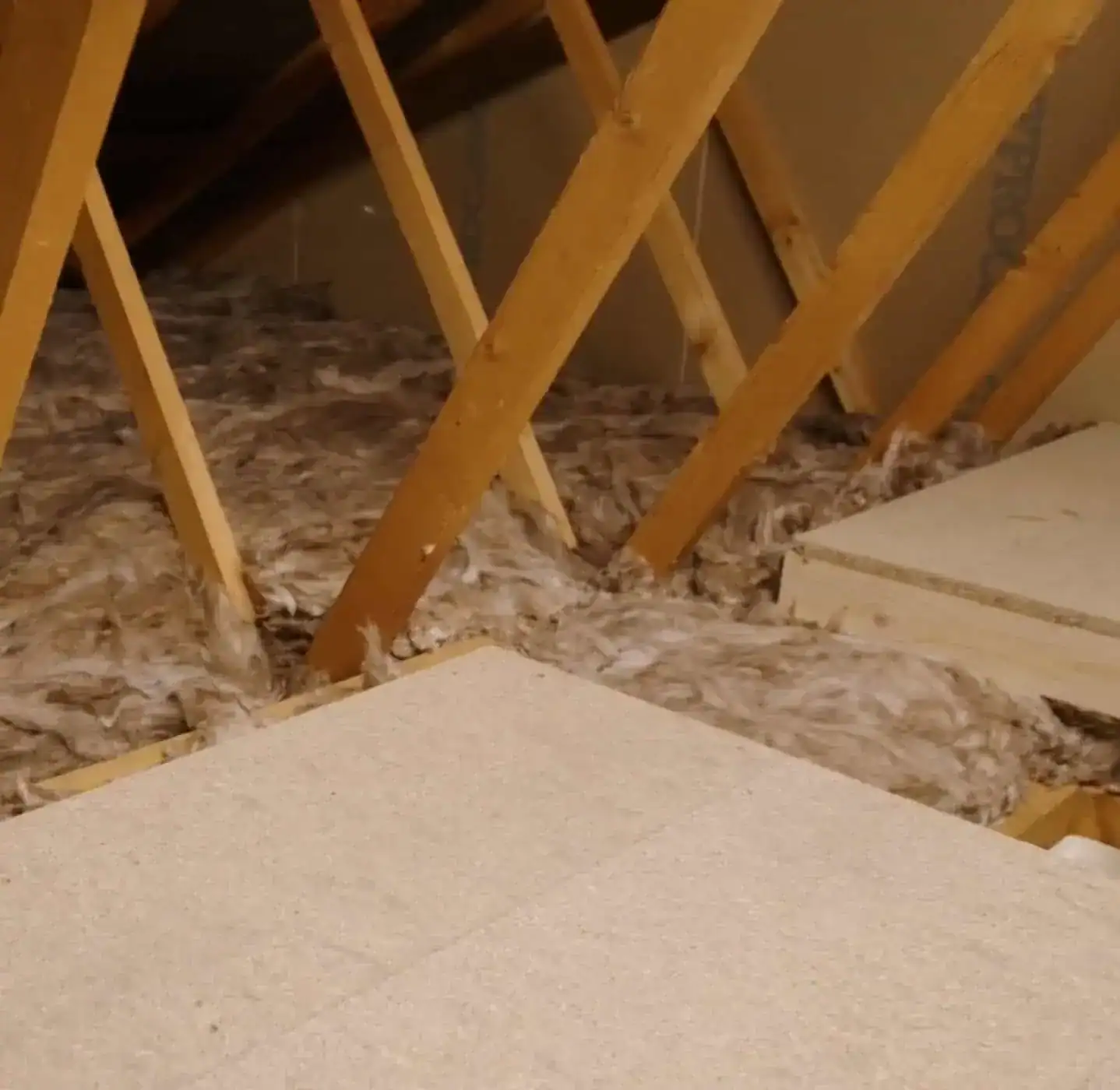
In most cases, developers install loft insulation to meet minimum standards, typically using mineral wool laid between and across joists.
This ensures the property achieves the required energy performance rating, but it does not always maximise efficiency or long term savings.
Is New Build Insulation Enough?
While new build homes are generally well insulated compared to older properties, the insulation installed is often designed to meet regulations rather than exceed them.
This means:
- Insulation may be at or just above minimum recommended levels
- Coverage may not always be consistent across the loft
- There may be areas where insulation is thinner or missing
In many cases, topping up insulation to improve performance can still be beneficial, even in a relatively new property.
Common Insulation Issues in New Builds
Although new homes are built to modern standards, some common insulation issues can still occur.
These include:
- Gaps around loft edges or eaves
- Insulation not evenly distributed
- Compression caused by boarding or storage
- Settling of insulation over time
Even small gaps can reduce the overall effectiveness of loft insulation and allow heat to escape.
If you are concerned about your current insulation, this may help: Can old loft insulation cause damp or condensation problems.
Should You Upgrade Loft Insulation?
Upgrading loft insulation in a new build home can improve both comfort and energy efficiency.
You may want to consider an upgrade if:
- Your insulation is below 270mm
- You notice temperature differences between rooms
- You want to reduce long term energy costs
- You plan to use your loft for storage
If you intend to use the loft space, it is important to avoid compressing insulation. A raised system such as: Loft boarding can help maintain performance.
Typical Upgrade Costs
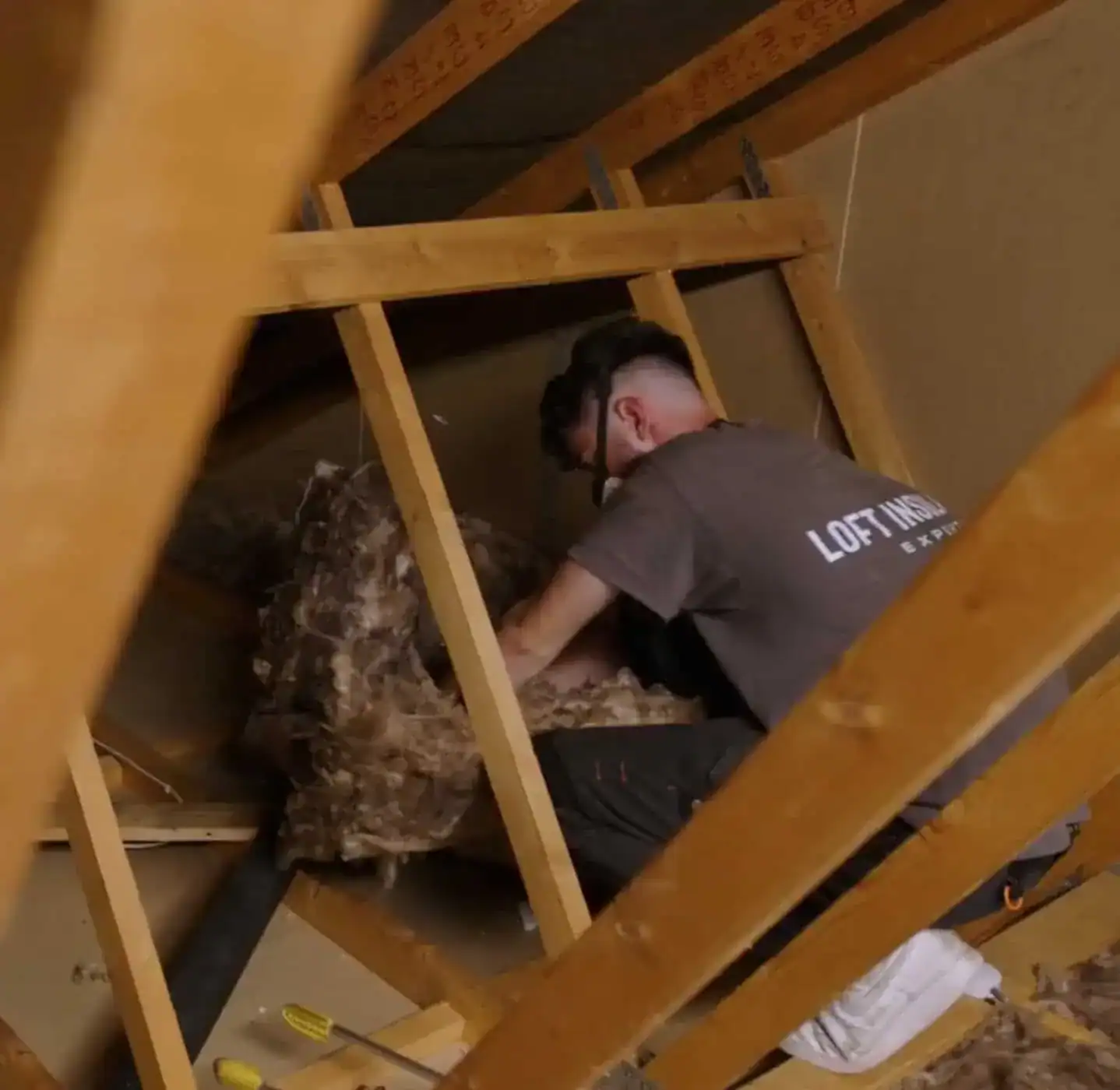
Upgrading loft insulation in a new build is often more straightforward than in older homes because the existing insulation is usually clean and accessible.
Typical costs:
- Topping up mineral wool insulation: £300 to £800
- Installing loft boarding systems: additional cost depending on size
Because the base insulation is already in place, upgrades are often quicker and more cost effective.
For a full overview of pricing factors, see: Loft insulation cost: 6 key factors.
If you want to check whether a newer home meets current recommendations, our guide on how much loft insulation you need explains how to measure the depth, and our loft insulation service covers top-ups as well as full installations.
New Build Loft Insulation FAQs
Do new build homes meet insulation regulations?
Yes, all new build homes must meet current UK building regulations for insulation and energy efficiency.
Can I improve insulation in a new build?
Yes, topping up insulation or improving installation quality can enhance performance beyond the minimum standard.
Will upgrading insulation void my warranty?
In most cases no, but it is always best to check your developer warranty or speak to a professional before making changes.
Is loft insulation in new builds covered by warranty?
Some aspects may be covered under building warranties, particularly if there are installation defects.