
Warm Loft vs Cold Loft: Where Should Your Loft Insulation Go?
Quick answer: A cold loft has its insulation laid across the loft floor, at ceiling level, so the roof space above stays cold and ventilated. A warm loft has insulation fixed at rafter level, following the slope of the roof, so the roof space sits inside the heated part of the house. For most homes that use the loft for storage, a properly insulated and ventilated cold loft is the simplest and most cost effective option. Warm lofts are usually part of a loft conversion and need careful design to control condensation.
When homeowners start researching loft insulation, they often come across the terms warm loft and cold loft without a clear explanation of what they mean. The difference matters, because putting insulation in the wrong place, or in the wrong way, can lead to wasted heat, condensation and expensive problems. This guide explains how each approach works and how to decide which is right for your home.
What is a cold loft?
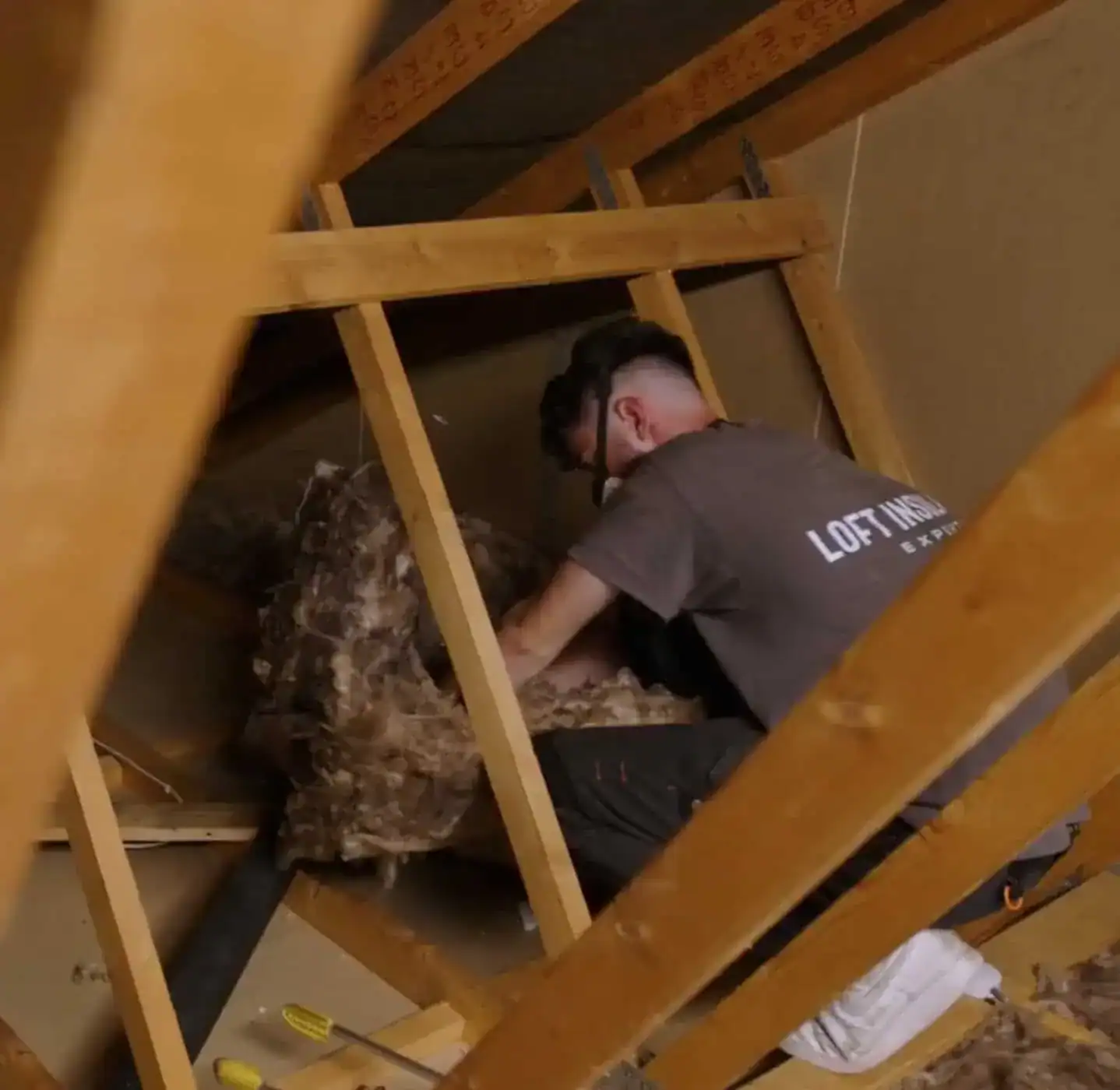
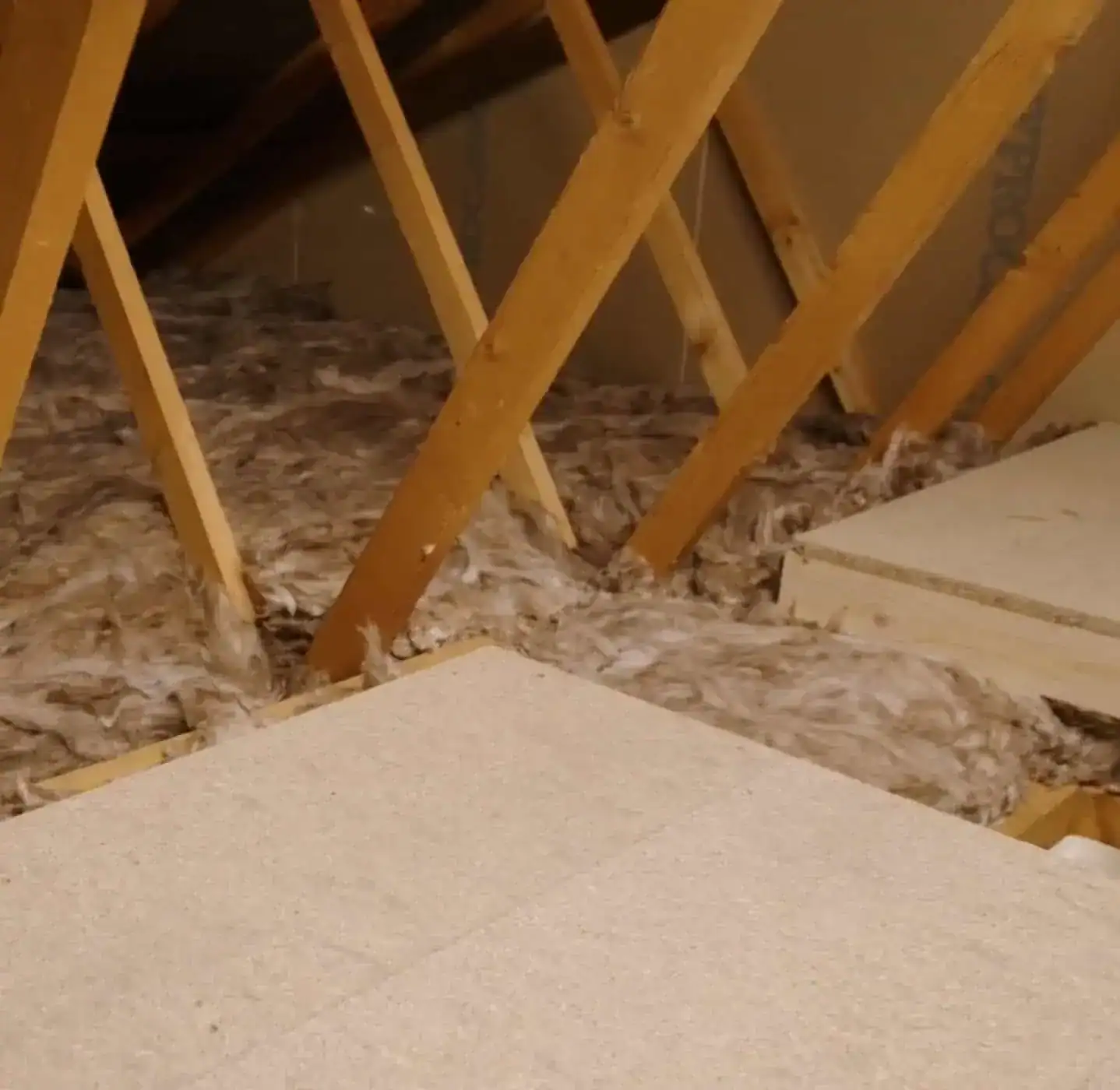
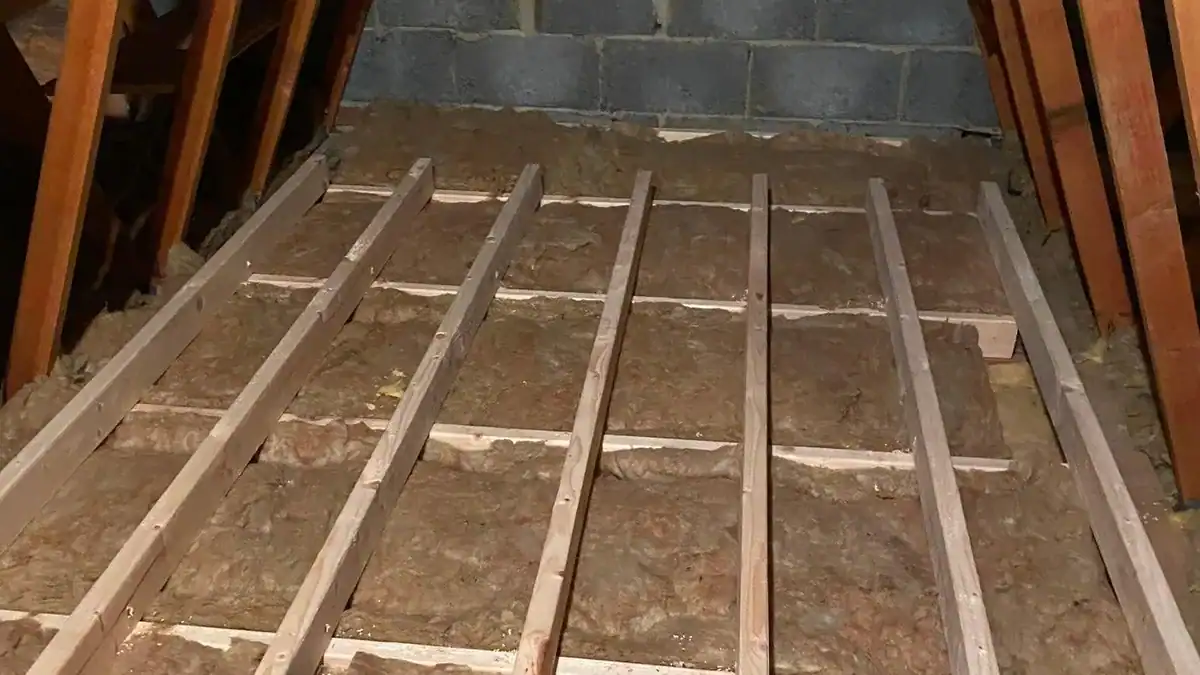
A cold loft is the most common arrangement in UK houses and bungalows. Insulation is laid between and over the ceiling joists, creating a warm layer directly above the rooms below. Everything above that layer, including the roof space, rafters and tiles, stays at roughly the outdoor temperature.
Because the roof space is cold, it needs to be ventilated. Air moving through eaves vents, ridge vents or a breathable roof membrane carries away any moisture that rises into the loft before it can condense on cold surfaces.
Advantages of a cold loft
- It insulates only the area you actually heat, so you are not paying to warm an empty roof space.
- It is usually the quickest and most affordable way to insulate a loft.
- Roof timbers stay visible and easy to inspect.
- Mineral wool and sheep's wool are well suited to this type of installation.
Things to get right in a cold loft
- Insulation should reach the recommended depth. See our guide on how much loft insulation you need.
- Eaves ventilation must be kept clear so air can move through the roof space.
- Water tanks and pipes in the loft need protecting against freezing, because they sit above the insulation.
- The loft hatch should be insulated and draught sealed to stop warm, moist air escaping into the roof space.
- If you want storage, raised loft boarding should be used so the insulation is not squashed.
What is a warm loft?
In a warm loft, also called a warm roof, insulation is fitted at rafter level rather than across the floor. This is typically done with rigid insulation boards between and below the rafters, or with other materials designed for sloping roofs. The roof space becomes part of the heated envelope of the house.
When a warm loft makes sense
- When the loft is being converted into a bedroom, office or other habitable space.
- When the roof is being replaced and insulation can be designed in from outside.
- When the roof space contains equipment that needs to stay warm and a cold loft is not practical.
Why a warm loft needs careful design
Insulating at rafter level changes how moisture behaves in the roof. Warm, moist air from the house can reach the cold underside of the roof covering, and if there is no route for that moisture to escape, condensation can form within the roof structure where it cannot easily be seen.
A correctly designed warm roof usually includes a vapour control layer on the warm side of the insulation, the right type of roofing membrane and, where needed, a ventilated gap behind the insulation. The details depend on the existing roof construction. A loft conversion will also need to meet Building Regulations, so warm roof work should be planned as part of that project rather than added on its own.
Where does spray foam insulation fit in?
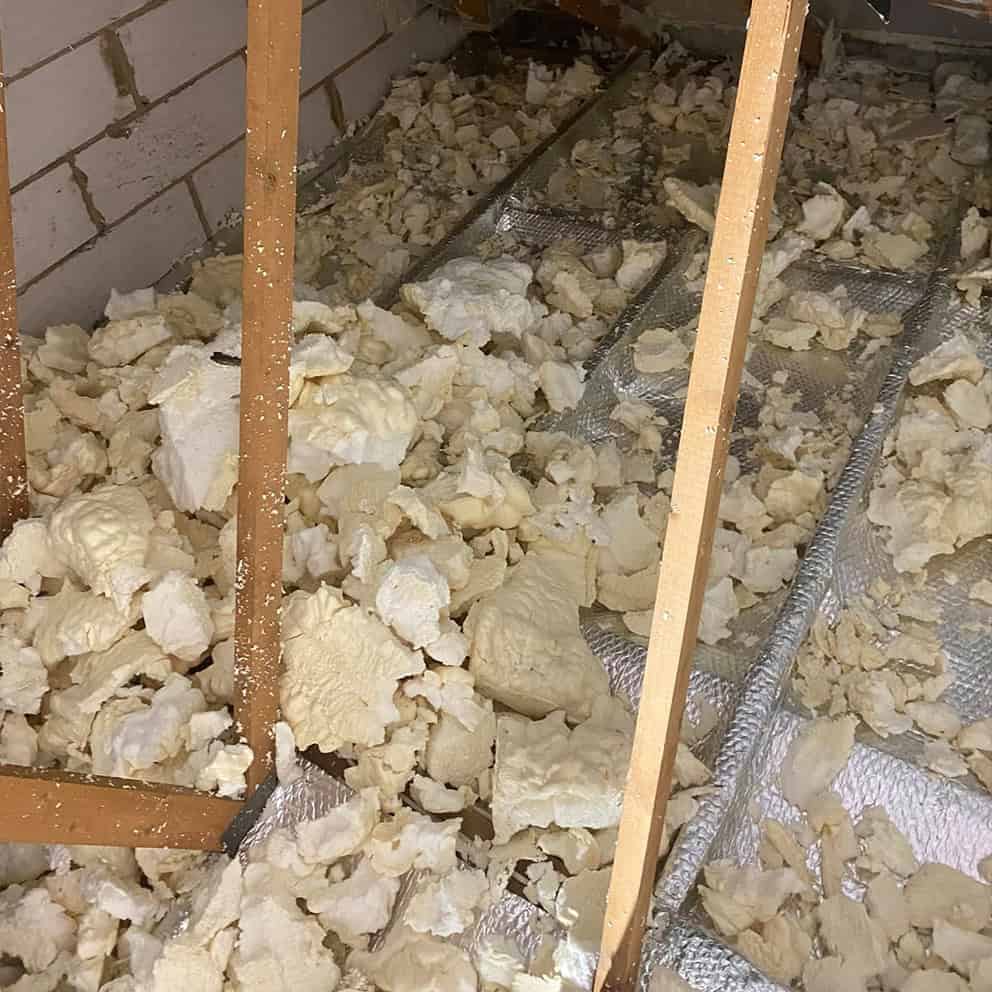
Spray foam is often sold as a quick way to create a warm loft. It is sprayed directly onto the underside of the roof, between the rafters and over the tiles or felt.
The problem is that spray foam is frequently applied without the design considerations a warm roof needs. It can hold moisture against roof timbers, hide their condition and make the roof difficult to inspect. Many surveyors and mortgage lenders have become cautious about properties with spray foam, which can cause problems when selling or remortgaging.
If you have spray foam in your loft and want to understand your options, our spray foam removal service can strip it back, expose the timbers for inspection and return the loft to a conventional, ventilated cold loft with new insulation at joist level. You can also read about whether you need to remove spray foam to sell or remortgage.
Warm loft vs cold loft: a side by side comparison
| Cold loft | Warm loft | |
|---|---|---|
| Where the insulation goes | Between and over the ceiling joists | Between and under the rafters |
| Temperature of roof space | Cold, close to outdoor temperature | Warm, part of the heated house |
| Ventilation | Roof space must be ventilated | Depends on roof design, vapour control is essential |
| Typical use | Storage, or an unused roof space | Loft conversions and habitable rooms |
| Cost and disruption | Lower, usually completed quickly | Higher, often part of wider building work |
| Inspection of roof timbers | Easy | More difficult once boarded or covered |
Which is right for your home?
If you use your loft for storage, or not at all, a cold loft is almost always the practical choice. Insulating at ceiling level to the recommended depth, keeping ventilation clear and adding raised boarding where you need storage gives a warmer home without the cost and complexity of insulating the whole roof.
If you are planning a loft conversion, a warm roof should be designed as part of that project, with the right materials and Building Regulations approval.
If your loft has been insulated at rafter level with spray foam and you are unsure whether it is causing problems, a survey is the best starting point. Our guide on whether spray foam insulation is a problem explains the common concerns.
Frequently asked questions
Is a warm loft better than a cold loft?
Not automatically. A warm loft suits converted or habitable roof spaces. For a loft used only for storage, a cold loft is normally more efficient because you are not heating a space you do not use.
Can I insulate between the rafters and the joists?
Insulating at both levels is not normally necessary for a storage loft and can create a roof space that is neither properly warm nor properly ventilated. It is best to choose one approach and design it correctly.
Does a cold loft cause condensation?
A cold loft that is well insulated and properly ventilated should not suffer from condensation. Problems usually come from blocked eaves, uninsulated hatches or excess moisture from the house. Our article on loft insulation, damp and condensation explains the causes.
Will a cold loft make my water tank freeze?
Tanks and pipes in a cold loft should be insulated, and insulation should not be laid directly under the cold water tank. Our guide to insulating around water tanks, cables and downlights covers this in more detail.
Can I still store things in a cold loft?
Yes. Raised loft boarding allows storage above full depth insulation without squashing it. See our guide to boarding a loft after insulating it.
Get advice on insulating your loft
Loft Insulation Experts provides free surveys across Hampshire and the surrounding counties. We will check your existing insulation, ventilation and roof space, then give you a clear, fixed quotation. Find out more about our loft insulation installation service.
Call 01264 554551 or get in touch online to book your survey.