
Loft Insulation Options Explained: Which Type Is Best for Your Home?
Quick Answer: The most common loft insulation options in the UK include mineral wool rolls, fibreglass insulation, rigid PIR insulation boards, spray foam insulation and natural materials such as sheep’s wool. The best option depends on how your loft is used, the structure of your roof and your budget. For most homes, mineral wool insulation rolls are the most practical and cost effective solution.
If you are researching loft insulation for your home, this guide explains the different insulation types available, how they work, and what each option typically costs.
What We Cover
- The main types of loft insulation
- Mineral wool loft insulation
- Fibreglass insulation
- Rigid insulation boards
- Spray foam insulation
- Natural insulation materials
- Typical loft insulation costs
- Which loft insulation is best
- FAQs
The Main Types of Loft Insulation
Most UK homes use insulation installed between and across loft joists. The aim is to reduce heat loss through the roof and improve energy efficiency.
Common loft insulation options include:
- Mineral wool insulation rolls
- Fibreglass insulation
- Rigid PIR insulation boards
- Spray foam insulation
- Natural materials such as sheep’s wool
If you are unsure whether your current insulation is still effective, this guide may help: Can old loft insulation cause damp or condensation problems.
Mineral Wool Loft Insulation
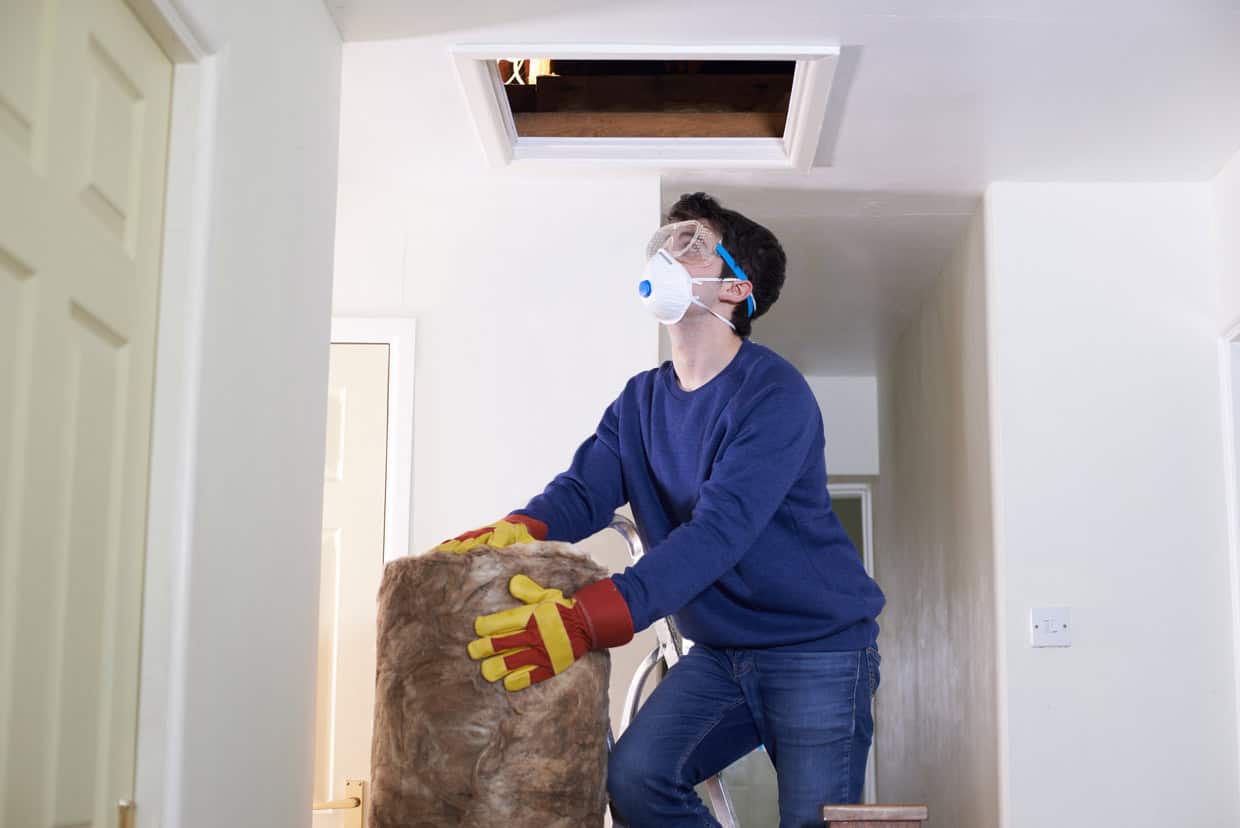
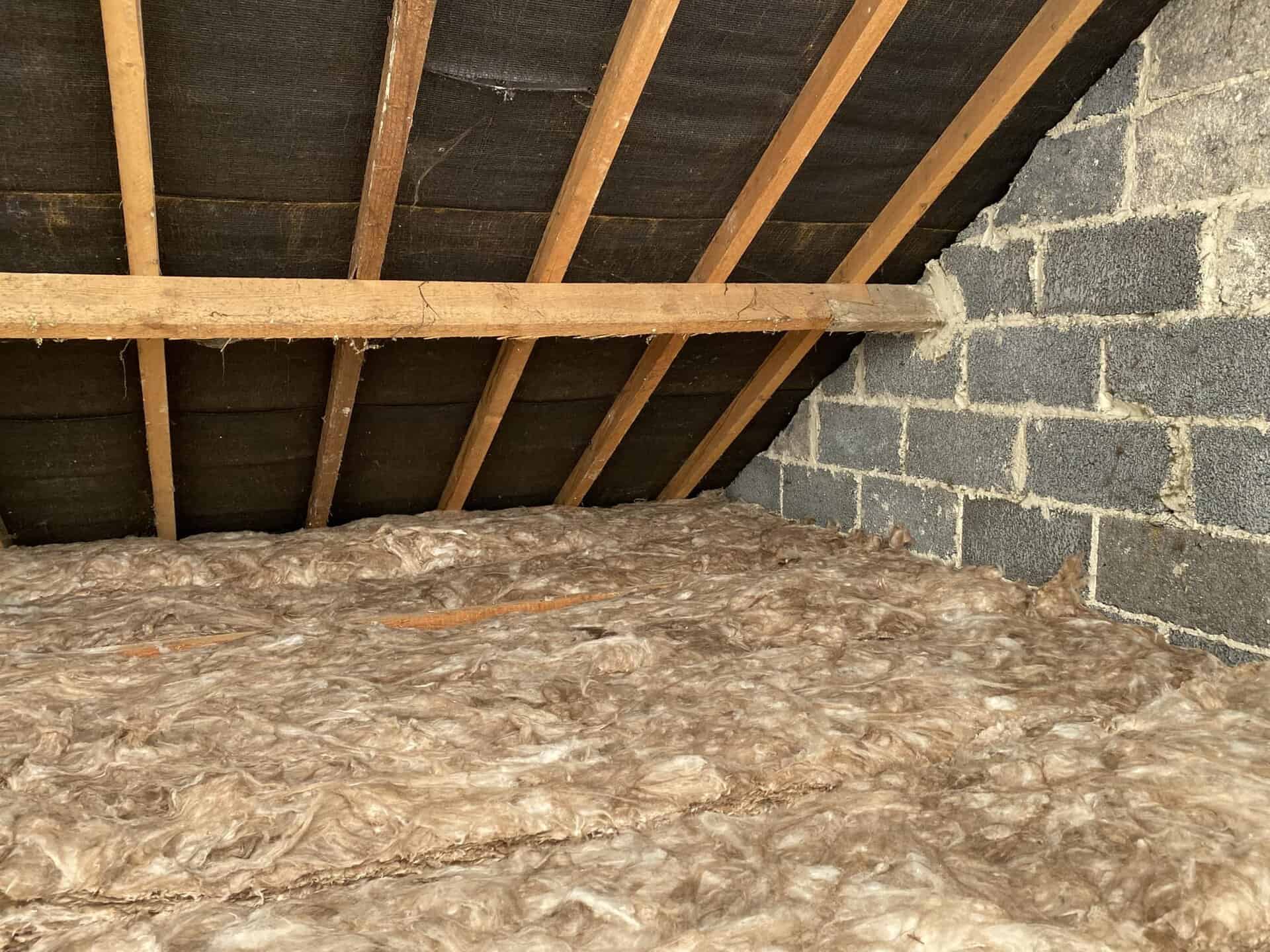
Mineral wool is the most widely used loft insulation material in the UK. It normally comes in large rolls that are laid between joists and then topped up with a second layer across the joists.
Most homes aim for around 270mm of mineral wool insulation to achieve good thermal performance.
Typical cost: £400 to £900 for an average loft depending on size and access.
Advantages include:
- Affordable insulation solution
- Strong thermal performance
- Fire resistant material
- Widely used across UK homes
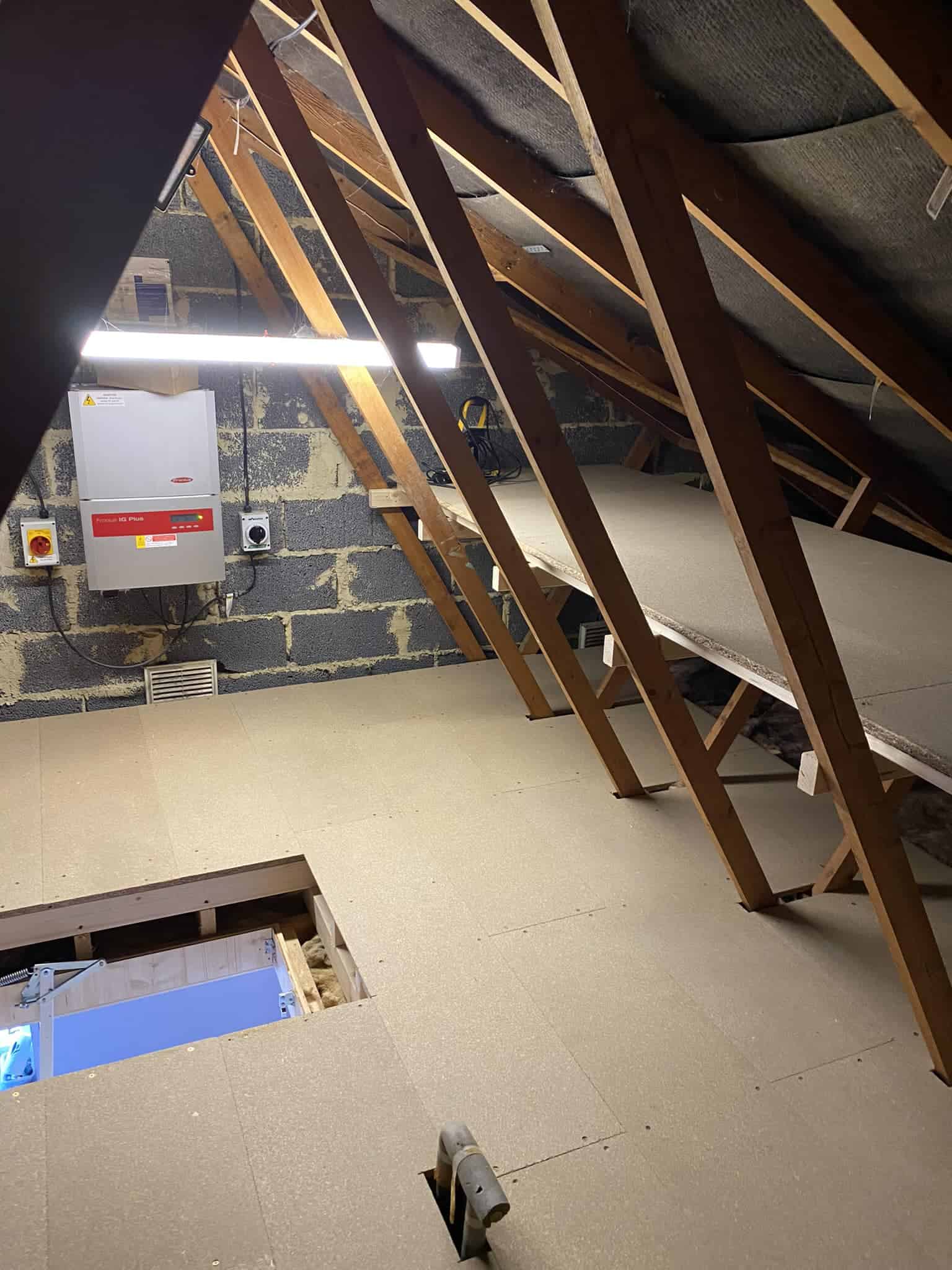
However, mineral wool insulation should not be compressed by loft boarding because this reduces its effectiveness. If you plan to use your loft for storage, you may want to consider: Loft boarding.
Fibreglass Loft Insulation
Fibreglass insulation is similar to mineral wool and is also commonly installed in rolls. It is lightweight, flexible and easy to install in many loft spaces.
Typical cost: £350 to £800 depending on loft size and insulation depth.
Advantages include:
- Low cost insulation material
- Easy to install
- Suitable for topping up existing insulation
Fibreglass insulation can settle over time, which means older installations may no longer provide the same level of insulation performance.
Rigid Insulation Boards
Rigid insulation boards, often made from PIR or foam materials, provide very high insulation performance even when installed in thinner layers.
They are commonly used in loft conversions or roof insulation projects where space is limited.
Typical cost: £1,000 to £2,500 depending on coverage and installation complexity.
Advantages include:
- Very high thermal efficiency
- Ideal for loft conversions
- Durable and long lasting
Because rigid boards require precise installation, they are usually fitted by professionals rather than as a DIY upgrade.
Spray Foam Loft Insulation
Spray foam insulation is applied as a liquid that expands and sets, filling gaps and creating an airtight seal.
Although spray foam can provide strong insulation performance, it has become controversial in the UK because it can affect ventilation and sometimes cause problems during property surveys or mortgage applications.
Typical cost: £2,000 to £5,000 depending on loft size and foam type.
If you are researching this topic further, this guide explains more: Spray foam insulation mortgage problems.
Natural Loft Insulation Materials
Some homeowners choose natural insulation materials such as sheep’s wool or wood fibre. These materials are breathable and can help regulate moisture levels in roof spaces.
Typical cost: £800 to £1,800 depending on insulation thickness and material.
Advantages include:
- Environmentally friendly insulation materials
- Breathable and moisture regulating
- Pleasant to handle during installation
If you are interested in this option, learn more here: Wool loft insulation.
Typical Loft Insulation Costs
The cost of insulating a loft varies depending on several factors, including the size of the loft, how accessible it is, the type of insulation chosen and whether old insulation needs to be removed first.
For a typical UK home:
- Basic mineral wool insulation: £400 to £900
- Natural wool insulation: £800 to £1,800
- Rigid insulation boards: £1,000 to £2,500
- Spray foam insulation: £2,000 to £5,000
Additional work such as removing old insulation, installing loft boarding, or improving ventilation can also affect the final cost.
If you want a more detailed breakdown of what influences pricing, read: Loft insulation cost: 6 key factors.
Which Loft Insulation Is Best?
The best loft insulation option depends on how the loft is used and the structure of your roof.
In most homes:
- Mineral wool rolls are the most common insulation upgrade
- Rigid insulation boards are used in loft conversions
- Natural insulation materials are chosen for eco focused homes
- Spray foam installations require careful consideration
If you want expert advice on the best insulation solution for your property, view: Loft insulation.
Loft Insulation Options FAQs
What is the recommended loft insulation thickness in the UK?
Most UK guidance recommends around 270mm of mineral wool insulation to achieve good energy efficiency.
How long does loft insulation last?
Many loft insulation materials can last 40 years or more if installed correctly and kept dry.
Can I install loft insulation myself?
Some insulation upgrades can be installed by homeowners, but professional installation ensures insulation is fitted safely and performs correctly.
Can I board over loft insulation?
Yes, but the boards should be raised above the insulation layer so it is not compressed. This is usually achieved using a raised loft boarding system.