


Open Cell vs Closed Cell Spray Foam Insulation Explained for Homeowners
Quick answer: Open cell and closed cell spray foam insulation differ in density, breathability and risk profile. Open cell foam is softer and more breathable, while closed cell foam is rigid and dense. Both can cause problems for surveys, mortgages and roof inspections, which is why many homeowners now seek professional advice or removal.
Spray foam insulation is often sold as a modern energy saving solution, but many homeowners are left confused about the differences between open cell and closed cell foam and how each can affect their property.
If you have spray foam in your loft or are considering installation, understanding the differences is essential. In this guide, we explain how open cell and closed cell spray foam work, the risks associated with each, and why both are increasingly flagged during surveys.
What we cover in this guide
- What spray foam insulation is
- What is open cell spray foam?
- What is closed cell spray foam?
- Key differences homeowners should know
- How lenders and surveyors view spray foam
- When removal is recommended
- FAQs
What spray foam insulation is
Spray foam insulation is applied as a liquid that expands and hardens once sprayed onto roof timbers and roof felt. It was promoted for its ability to seal gaps and reduce heat loss, but long term performance and inspection issues have become a growing concern.
Spray foam is applied directly to the structure of the roof, which means it cannot be easily removed or inspected once installed.
What is open cell spray foam?
Open cell spray foam has a softer, sponge like structure. It expands significantly and is often described as breathable compared to closed cell alternatives.
Characteristics of open cell spray foam include:
- Lower density and softer finish
- Greater expansion during installation
- Allows some moisture vapour movement
While it may appear less restrictive than closed cell foam, open cell foam still adheres to roof timbers and can hide defects, rot or moisture damage.
What is closed cell spray foam?
Closed cell spray foam is denser and more rigid. It forms a hard layer once cured and is often marketed as providing higher insulation performance.
Characteristics of closed cell spray foam include:
- High density and rigid structure
- Acts as a vapour barrier
- Minimal flexibility once installed
Because closed cell foam restricts airflow almost entirely, it carries a higher risk of trapping moisture against roof timbers, which can increase the likelihood of decay.
Key differences homeowners should know
Although open cell and closed cell spray foam are different products, both raise similar concerns for homeowners.
Key differences include:
- Open cell foam is softer and more breathable
- Closed cell foam is rigid and moisture resistant
- Closed cell foam poses a higher risk of trapped moisture
- Both types limit visual inspection of roof timbers
From a homeowner perspective, the most important factor is not which type was installed, but how it affects inspection, ventilation and lender confidence.
How lenders and surveyors view spray foam
Mortgage lenders rely on surveyors to confirm that a property is structurally sound. Spray foam, regardless of type, often prevents surveyors from inspecting roof timbers properly.
Common lender concerns include:
- Inability to assess timber condition
- Risk of hidden moisture or rot
- Lack of installation documentation
- Uncertainty around long term roof performance
As a result, many lenders now request full removal before approving a mortgage or remortgage.
For more detail, see: Spray foam insulation mortgage problems.
When removal is recommended
Removal is often recommended when:
- You are selling or remortgaging
- A surveyor cannot inspect the roof structure
- There are signs of condensation or timber concerns
- Lenders request remediation
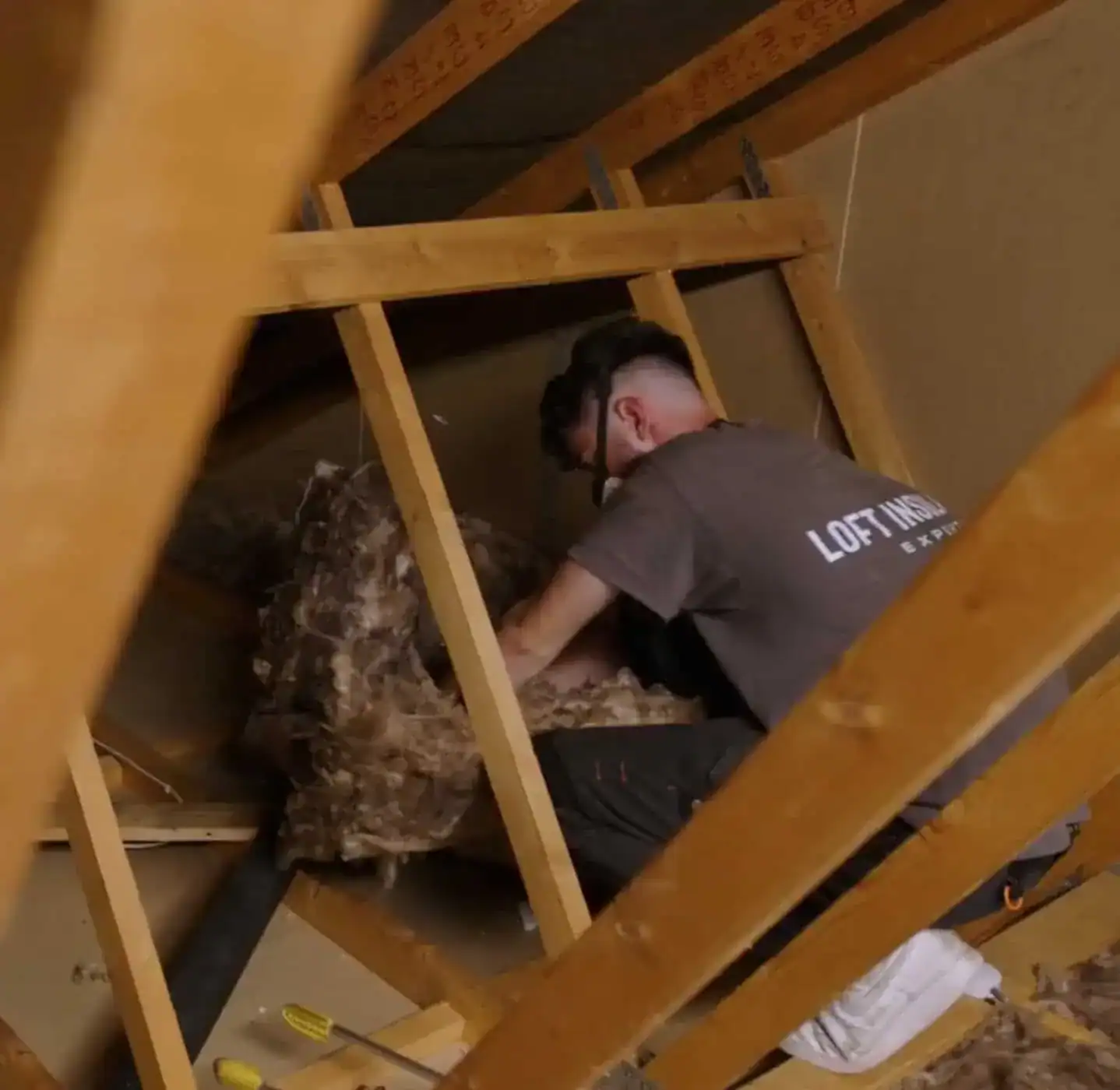
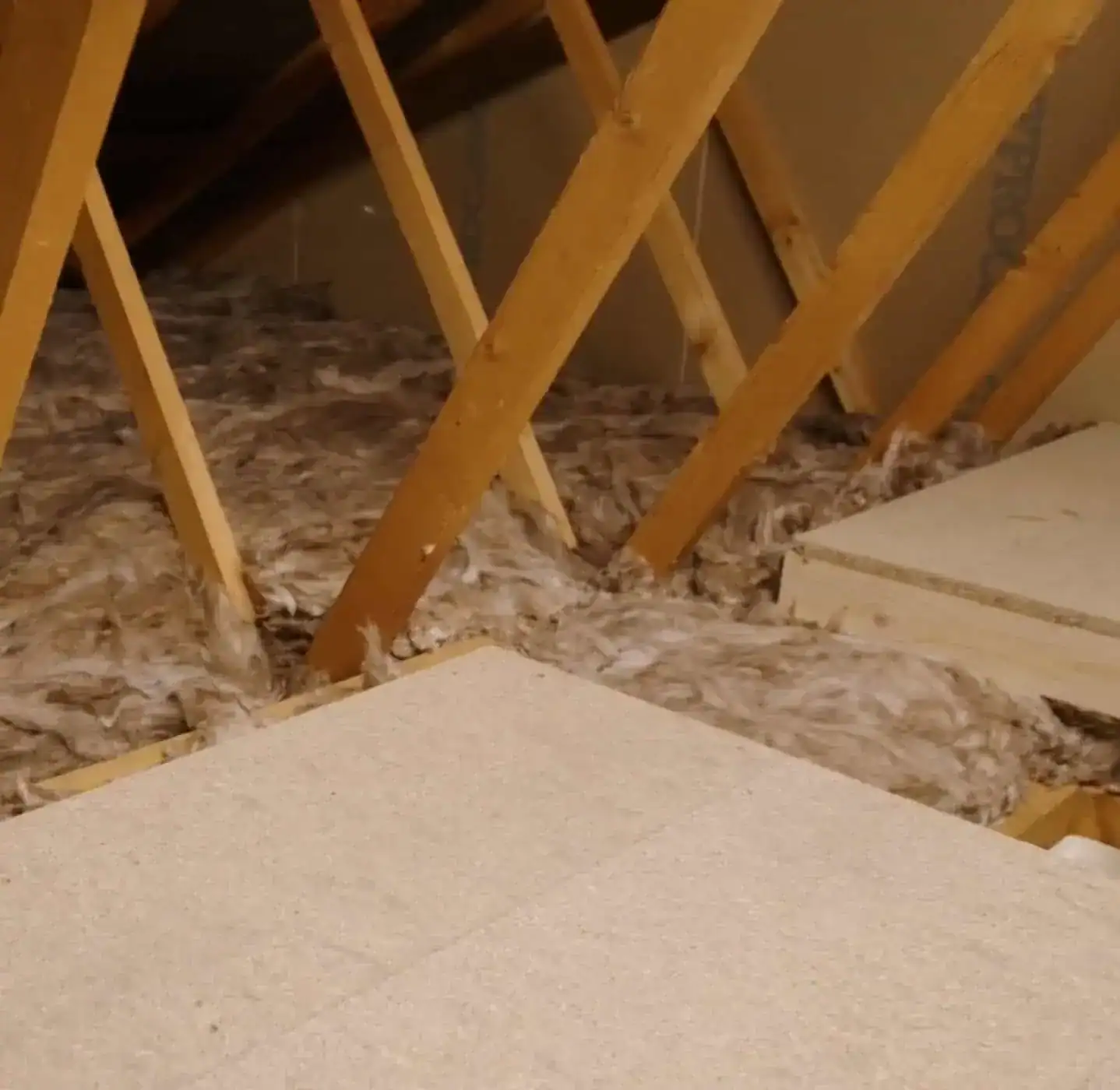
Professional removal allows roof timbers to be inspected, ventilation to be restored, and compliant insulation to be installed if required.
You can learn more about the process here: Spray foam removal.
FAQs
Is open cell spray foam safer than closed cell?
Open cell foam is less rigid, but it can still cause inspection and mortgage issues.
Can spray foam ever be left in place?
In some cases it may be monitored, but many lenders still request removal regardless of condition.
Does spray foam improve EPC ratings?
It does not always improve EPC outcomes and can complicate assessments.
What insulation is used after removal?
Breathable mineral wool insulation is commonly installed to meet lender and surveyor expectations.
Expert spray foam advice across the South of England
We help homeowners across the South of England understand and resolve spray foam insulation issues. Whether you are dealing with open cell or closed cell foam, our team provides clear advice, professional removal and compliant replacement solutions.
Contact us today to arrange a survey or discuss your options, or view our spray foam removal service for more information.
You can also read our customer reviews for added reassurance.