

Should Old Loft Insulation Be Removed Or Topped Up?
If your loft insulation is old, thin or uneven, you may be wondering whether it needs to be removed completely or simply topped up.
In many homes, loft insulation has been in place for years. It may have settled, been moved around, become compressed under storage boxes or no longer meet the level of insulation recommended for modern homes.
Sometimes topping up is enough. In other cases, removing the old insulation first may be the better option.
Quick Answer
Old loft insulation can often be topped up if it is dry, clean, evenly laid and in reasonable condition.
However, it may need to be removed if it is damp, contaminated, badly compressed, affected by pests, poorly installed or blocking ventilation. A professional loft survey can help decide whether topping up or replacement is the best option for your home.
When Can Loft Insulation Be Topped Up?
Loft insulation may be suitable for topping up if the existing material is still in good condition.
This usually means it is dry, clean, free from obvious damage and not causing any issues with airflow or access.
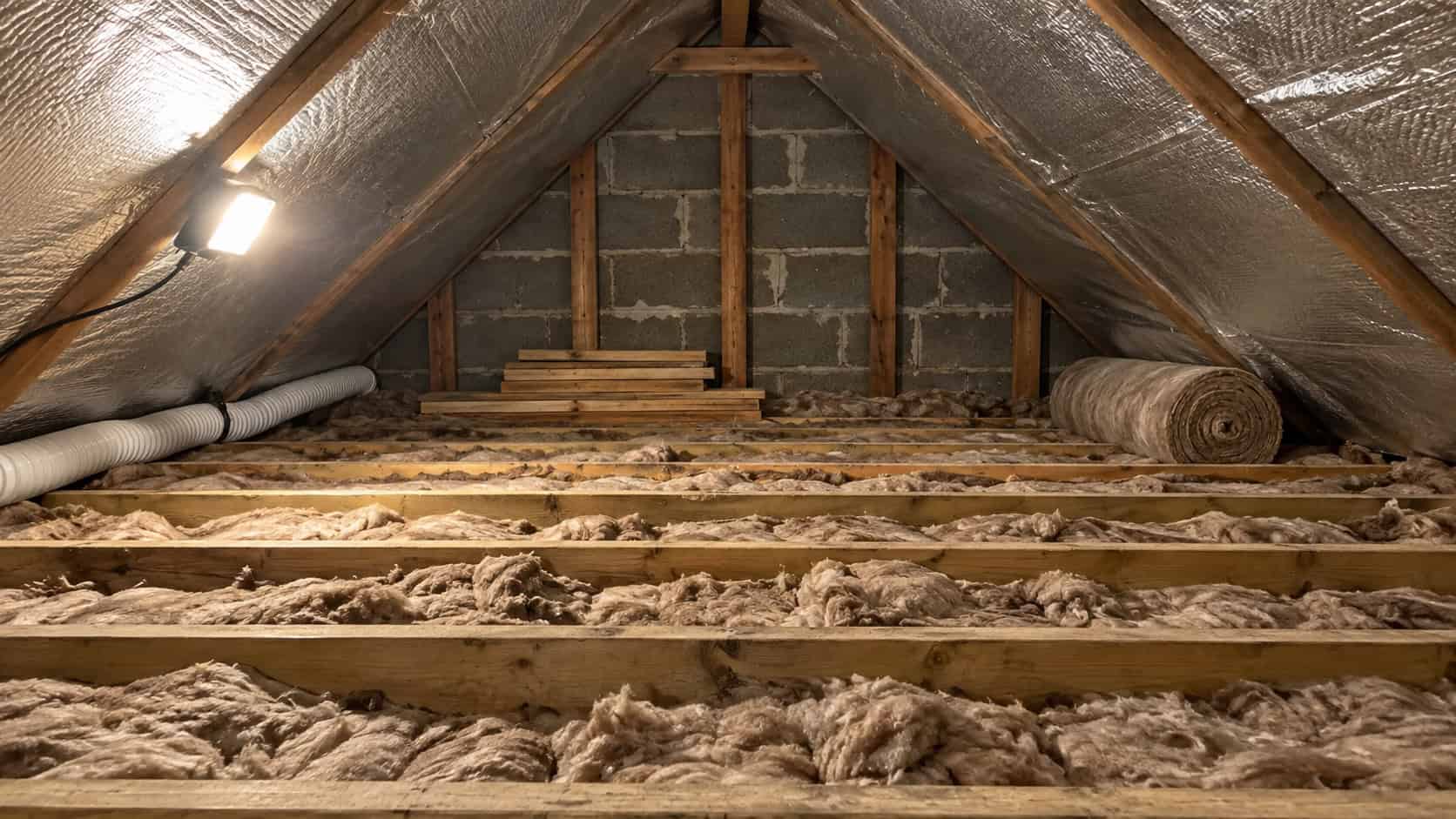
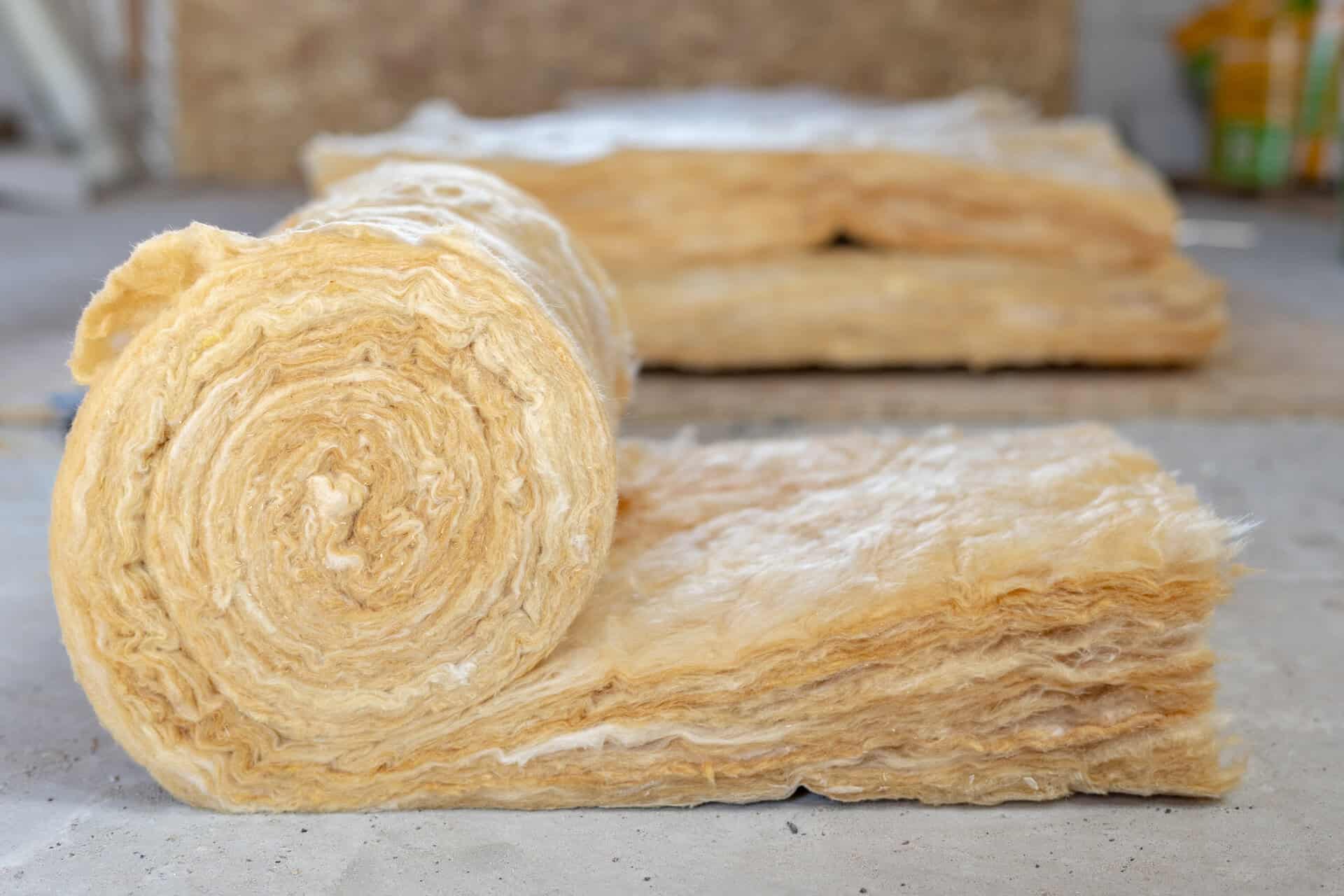
If the insulation is simply too thin, a new layer may be added on top to improve performance. This can be a cost-effective way to bring the loft closer to current standards without removing everything.
Topping up is common in older homes where some insulation has already been installed, but the depth is no longer enough to provide the level of comfort and efficiency homeowners expect.
When Should Old Loft Insulation Be Removed?
There are times when removing old insulation is the better option.
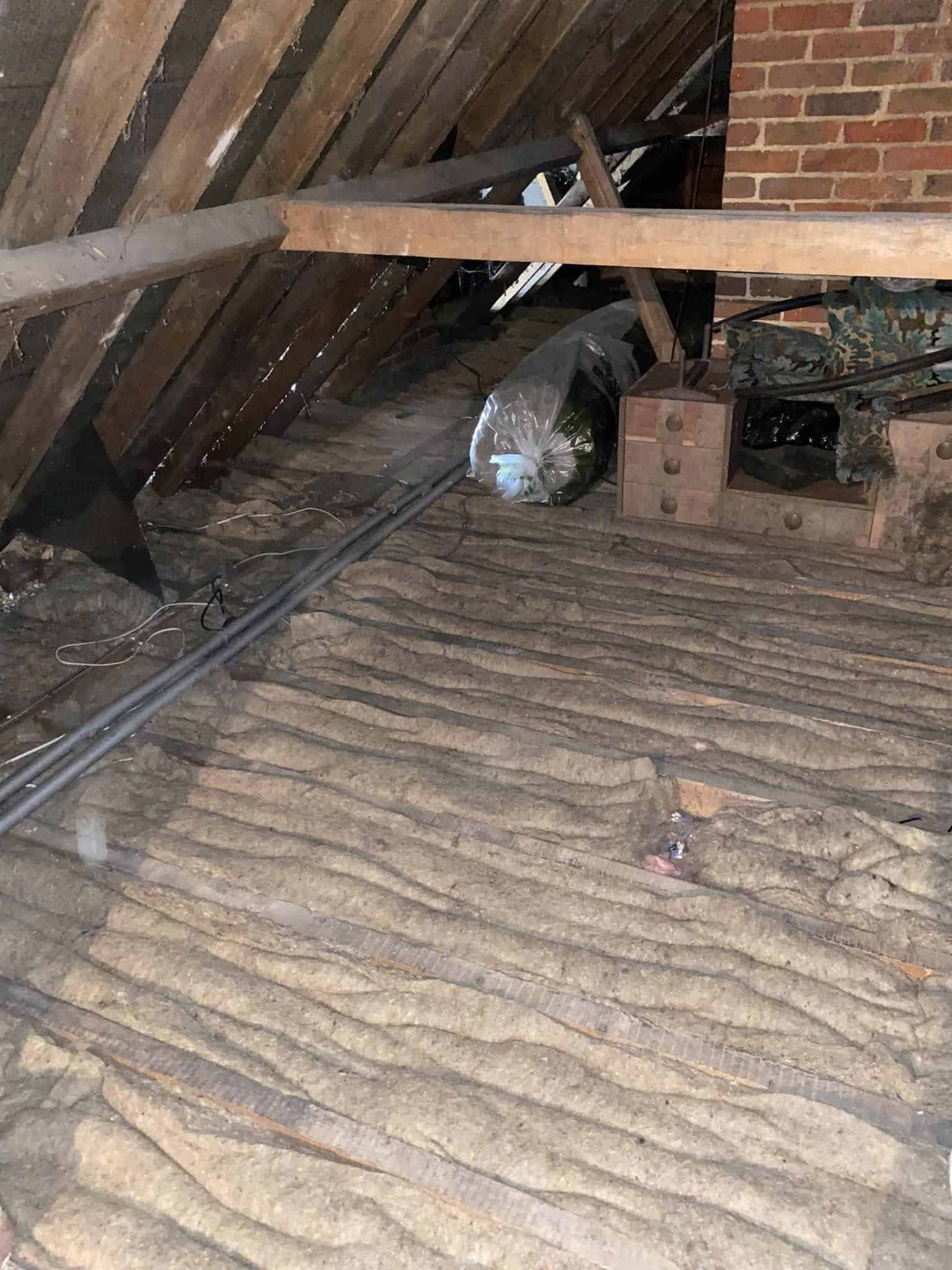
If the insulation is damp, mouldy, dirty, contaminated or damaged, topping up may simply cover the problem rather than solve it.
Old insulation may also need removing if it has been badly fitted, compressed under boards, disturbed by tradespeople or affected by birds, rodents or insects.
In these situations, starting again with fresh insulation can give a cleaner and more reliable result.
What If The Insulation Is Damp?
Damp insulation should not be ignored.
Insulation works by trapping air. If it becomes wet, it can lose performance and may contribute to unpleasant smells, damp conditions or mould growth.
Damp insulation can be caused by roof leaks, condensation, poor ventilation or water entering the loft from another source.
Before new insulation is installed, the cause of the damp should be found and dealt with. Simply covering damp insulation with a new layer is unlikely to solve the problem.
What If There Has Been A Pest Problem?
If birds, mice, rats or insects have been in the loft, the insulation may be contaminated or disturbed.
Signs can include droppings, nesting material, strong smells, tunnels, damaged insulation or areas where the material has been moved around.
In these cases, removing the affected insulation is often the safest and most practical approach.
Once the loft has been cleared and any entry points have been dealt with, new insulation can be installed properly.
Can Old Insulation Affect Airflow?
Yes, poorly fitted insulation can affect ventilation in the loft.
Good airflow is important because it helps moisture escape from the roof space. If insulation is pushed too far into the eaves or blocks ventilation gaps, condensation problems can become more likely.
This is one reason why loft insulation should be installed carefully, especially around the edges of the loft.
If you have noticed condensation in the loft, damp timbers or a musty smell, the insulation and ventilation should both be checked.
What If The Insulation Has Been Squashed?
Compressed insulation does not work as well as insulation with the correct depth and loft.
This often happens when storage boxes, old boards or heavy items have been placed directly on top of the insulation.
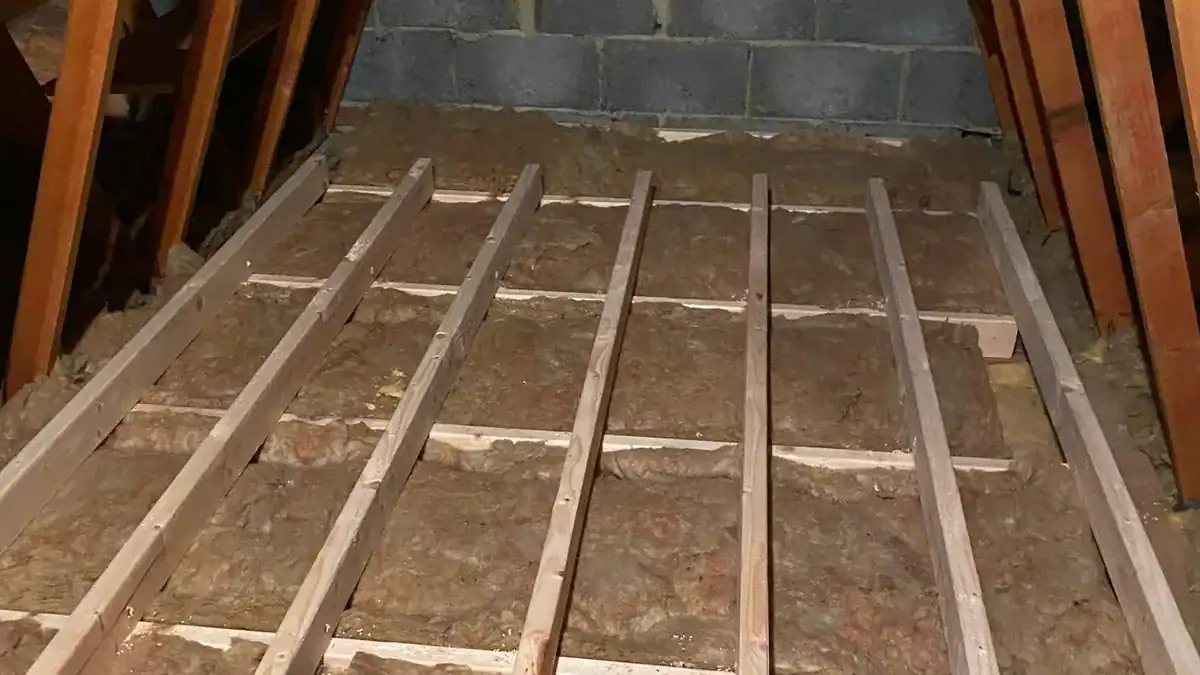
If the insulation has been badly squashed, topping it up may not always be the best answer. The area may need clearing, the old insulation may need adjusting or removing, and raised loft boarding may be needed if you still want storage space.
You can read more in our guide to loft boarding and storage-friendly insulation upgrades.
Should You Remove Old Insulation Yourself?
Removing loft insulation can be dirty, awkward and unpleasant work.
It may involve dust, fibres, contamination, pests, old debris and working in a confined roof space.
If there is any sign of damp, mould, pests or damage, it is usually better to get professional advice before disturbing the insulation.
A professional installer can assess the condition of the loft and explain whether removal, topping up or a full replacement is the most suitable option.
Why A Loft Survey Helps
It is not always easy to tell from a quick look whether insulation should be removed or topped up.
A loft survey can check the depth, condition and coverage of the existing insulation. It can also identify issues such as damp, poor ventilation, blocked eaves, unsafe boarding or signs of pests.
This helps you avoid spending money on the wrong solution.
At Loft Insulation Experts, we assess each loft properly before recommending the most suitable approach for your home.
What Happens After Old Insulation Is Removed?
If old insulation needs to be removed, the loft can then be prepared for new insulation.
This may involve clearing debris, checking ventilation routes, identifying problem areas and making sure the space is ready for the new material.
Fresh insulation can then be installed evenly and to the right depth, helping improve comfort and reduce heat loss through the roof.
If you also need access or storage, loft boarding and a loft ladder can be planned at the same time.
Final Thoughts
Old loft insulation does not always need to be removed. If it is dry, clean and in reasonable condition, topping it up may be enough.
However, if the insulation is damp, contaminated, compressed, damaged or poorly installed, removing it and starting again may be the better option.
If you are unsure what condition your loft insulation is in, Loft Insulation Experts can help with a professional survey and clear advice.
Contact Loft Insulation Experts today to arrange a survey or request a quote.