

A Guide To Loft Insulation For Period Properties
Period properties are full of character, with unique features and traditional construction methods that make them very different from modern homes.
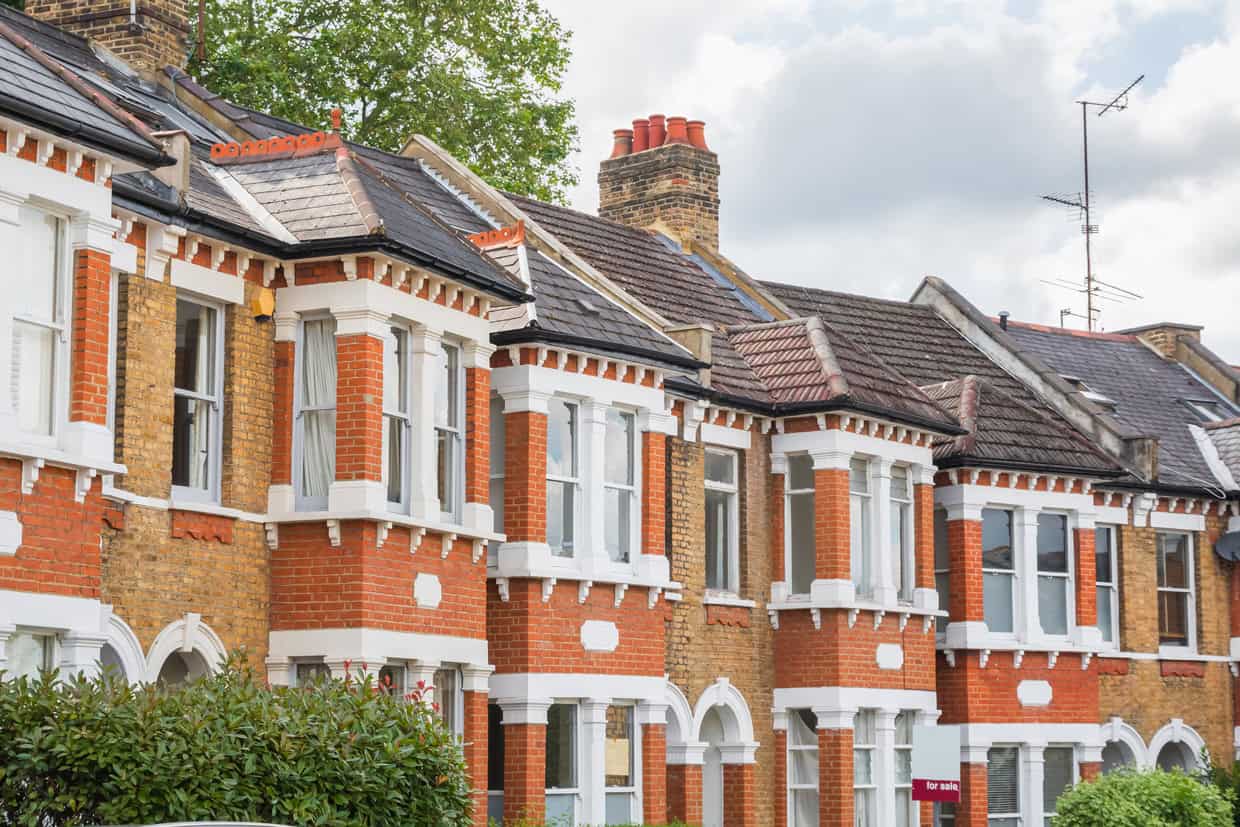
From Victorian terraces and Edwardian houses to older cottages and traditional family homes, these properties remain extremely popular. However, many older homes were built long before modern energy efficiency standards existed.
This means homeowners often experience problems such as heat loss, cold rooms and higher energy usage, especially during colder months.
Improving loft insulation can be one of the most effective ways to make a period property feel warmer and more comfortable, but older homes need to be approached carefully.
In this guide, we explain what homeowners need to know about insulating period properties, common challenges and how to improve efficiency while protecting the condition of your home.
Quick Answer
Yes, period properties can usually benefit from improved loft insulation. However, older homes require the correct approach to ensure insulation is installed effectively while maintaining suitable ventilation and allowing the property to perform as intended.
Why Older Homes Need A Different Approach To Loft Insulation
Older properties were often built using different materials and construction techniques compared to modern houses.
Many period homes were designed to naturally manage moisture and airflow, meaning insulation improvements need to consider how the entire property works.
Simply adding insulation without checking the condition of the loft space may not always provide the best results.
Before upgrading loft insulation, it is important to consider:
- The condition of the existing insulation
- Current insulation depth
- Loft ventilation
- Signs of damp or condensation
- How the loft space is currently used
A properly planned installation can improve energy efficiency while helping your home remain healthy and comfortable.
Professional loft insulation installation can help ensure your older property receives the correct level of insulation while taking the condition and requirements of your home into account.
Common Insulation Problems In Period Properties
Many older homes already have some form of loft insulation installed, but it may no longer be performing effectively.
Over time, insulation can become damaged, compressed or disturbed. This can reduce its ability to prevent heat loss and may mean your home is not benefiting from the insulation as much as it should.
Common issues found in older loft spaces include:
- Insulation that is too thin
- Uneven coverage
- Missing sections
- Old materials that have deteriorated
- Poor installation around difficult areas
- Previous work disturbing existing insulation
Even small gaps can reduce performance because heat naturally escapes through areas with less protection.
A professional inspection can help identify whether your existing insulation is suitable or whether improvements are needed.
Can You Insulate A Victorian Or Edwardian Home?
Many Victorian and Edwardian properties can be successfully insulated, provided the work is completed correctly.
These homes often have large loft spaces, making them suitable for insulation upgrades. However, because older homes can behave differently from modern properties, the installation needs to be carefully planned.
Things that may need checking include:
- Roof condition
- Existing airflow
- Previous insulation materials
- Access into the loft
- Any signs of moisture problems
The aim is not just to add insulation but to improve the performance of the home as a whole.
Why Ventilation Is Important In Older Properties
Ventilation is one of the most important considerations when insulating older homes.
Because period properties were often designed differently from newer homes, restricting airflow in the wrong areas can potentially lead to problems.
A correctly insulated loft should help reduce heat loss while still allowing the roof space to breathe properly.
Poor ventilation can contribute to issues such as:
- Condensation
- Damp patches
- Moisture build-up
- Reduced insulation performance
This is why professional installation is important. The goal is to improve warmth and efficiency without creating new problems.
Should Old Loft Insulation Be Removed First?
One common question homeowners ask is whether old insulation should be removed before new insulation is installed.
The answer depends on the condition of the existing material.
Insulation may need removing if it is:
- Damaged
- Damp
- Contaminated
- Badly installed
- No longer performing effectively
In some situations, existing insulation can remain and additional insulation can be added to improve performance.
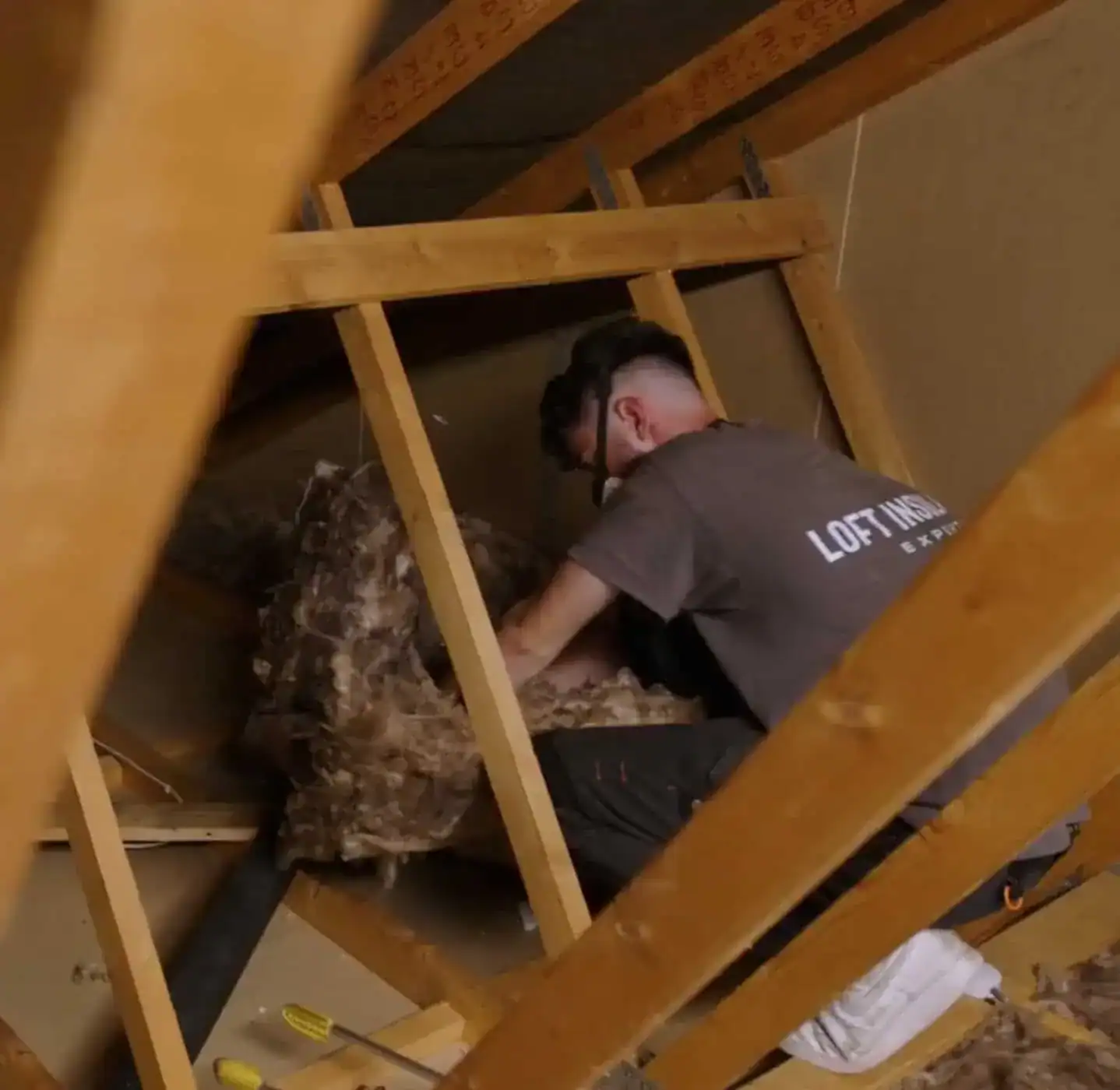
If your existing insulation is damaged, old or no longer performing correctly, professional loft insulation removal may be recommended before installing new insulation.
Choosing The Right Loft Insulation For An Older Home
There is no single solution that suits every period property.
The right approach depends on the age of the home, existing insulation, loft condition and how the space is used.
When choosing insulation, it is important to consider:
- Thermal performance
- Correct installation depth
- Airflow requirements
- Long-term durability
- Access requirements
Correct installation is just as important as choosing the right insulation material. Poorly fitted insulation can leave gaps, restrict ventilation or fail to provide the expected improvement.
Improving Energy Efficiency Without Changing The Character Of Your Home
One reason many homeowners love period properties is their character.
Original features, traditional layouts and unique details all add to the appeal of older homes.
Loft insulation is a popular improvement because it can increase comfort without changing the appearance of the property.
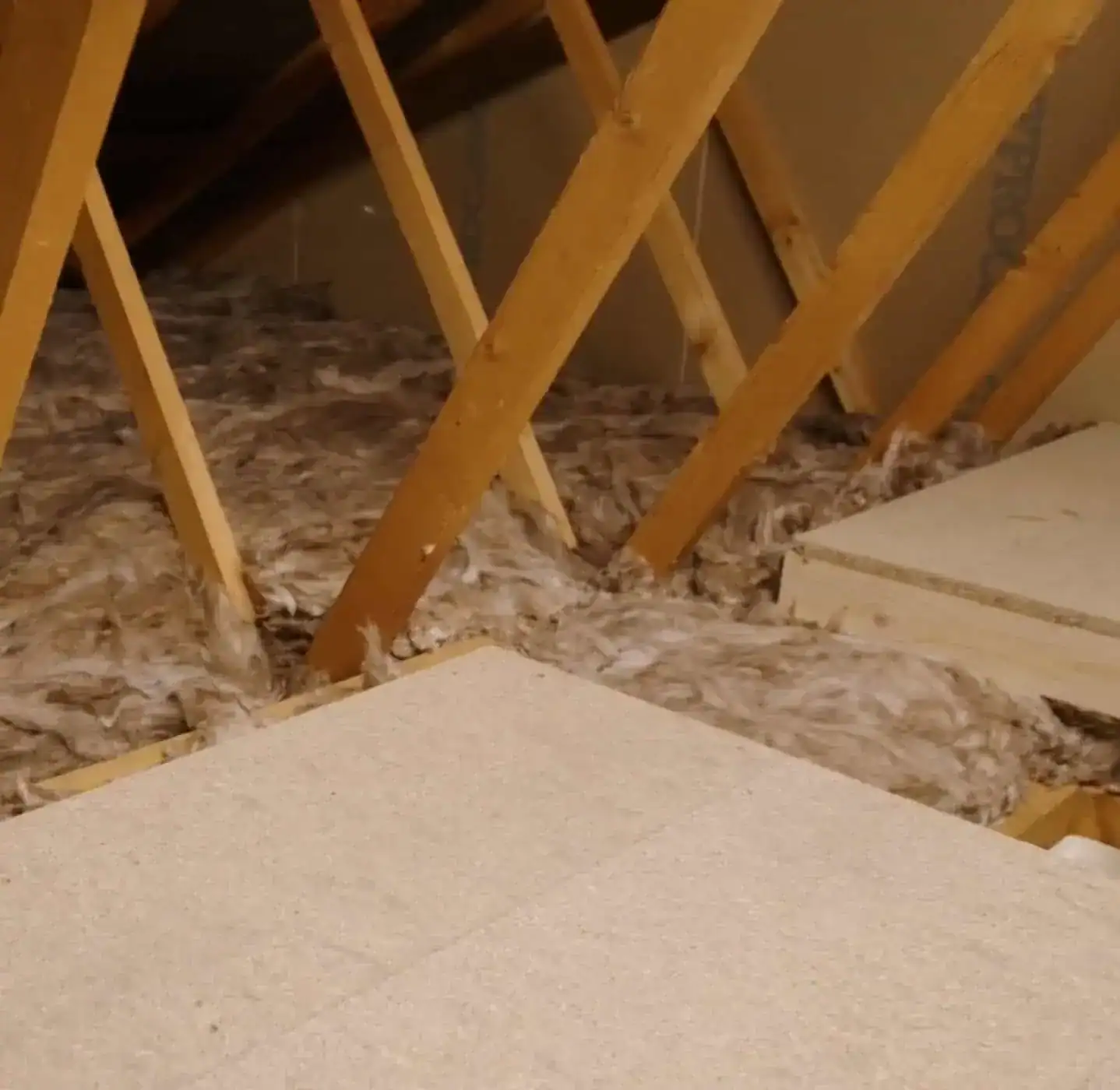
Many homeowners also choose to improve their loft space at the same time with practical upgrades such as loft boarding, creating safer access and more usable storage space.
Unlike some home upgrades, insulation is hidden away but can still make a noticeable difference to how your home feels.
Why Professional Installation Matters
Although loft insulation may seem straightforward, period properties require careful consideration.
A professional installer can assess your loft space, identify potential issues and recommend the most suitable approach.
This helps ensure:
- The correct amount of insulation is installed
- Ventilation is maintained
- The loft space remains accessible where required
- The installation is completed safely
- The property receives the best possible improvement
If you regularly access your loft, installing a suitable loft ladder can make your loft space safer and easier to use after upgrading your insulation.
Final Thoughts
Period properties can often benefit significantly from improved loft insulation, but the right approach is essential.
Older homes have different requirements compared to modern properties, which means insulation needs to be carefully planned and professionally installed.
By improving your loft insulation, you can help create a warmer, more comfortable and more energy-efficient home while preserving the character that makes your property special.
If you are considering upgrading the insulation in your period property, contact Loft Insulation Experts today for professional advice.