

How Loft Insulation Improves Energy Efficiency and Cuts Heating Bills
Quick answer: Loft insulation improves energy efficiency by reducing heat loss through the roof, helping to keep homes warmer in winter and more comfortable in summer. Properly installed insulation can lower heating bills, improve comfort and reduce your home’s carbon footprint.
Heating costs continue to rise, which makes energy efficiency more important than ever. One of the simplest and most effective upgrades you can make is insulating your loft properly.
In this guide, we explain how loft insulation works, how it reduces energy use, and the real benefits for homeowners.
What we cover in this guide
- How heat escapes through your roof
- How loft insulation improves energy efficiency
- How loft insulation can reduce heating bills
- Comfort benefits all year round
- Environmental and carbon benefits
- Does loft insulation add value to your home?
- Why proper installation matters
- FAQs

How heat escapes through your roof
Warm air rises. In an uninsulated or poorly insulated home, a significant amount of heat can escape through the roof, making it harder for your heating system to maintain a comfortable temperature.
This can lead to higher heating bills, rooms that feel colder upstairs, and bigger temperature swings across the home.
How loft insulation improves energy efficiency
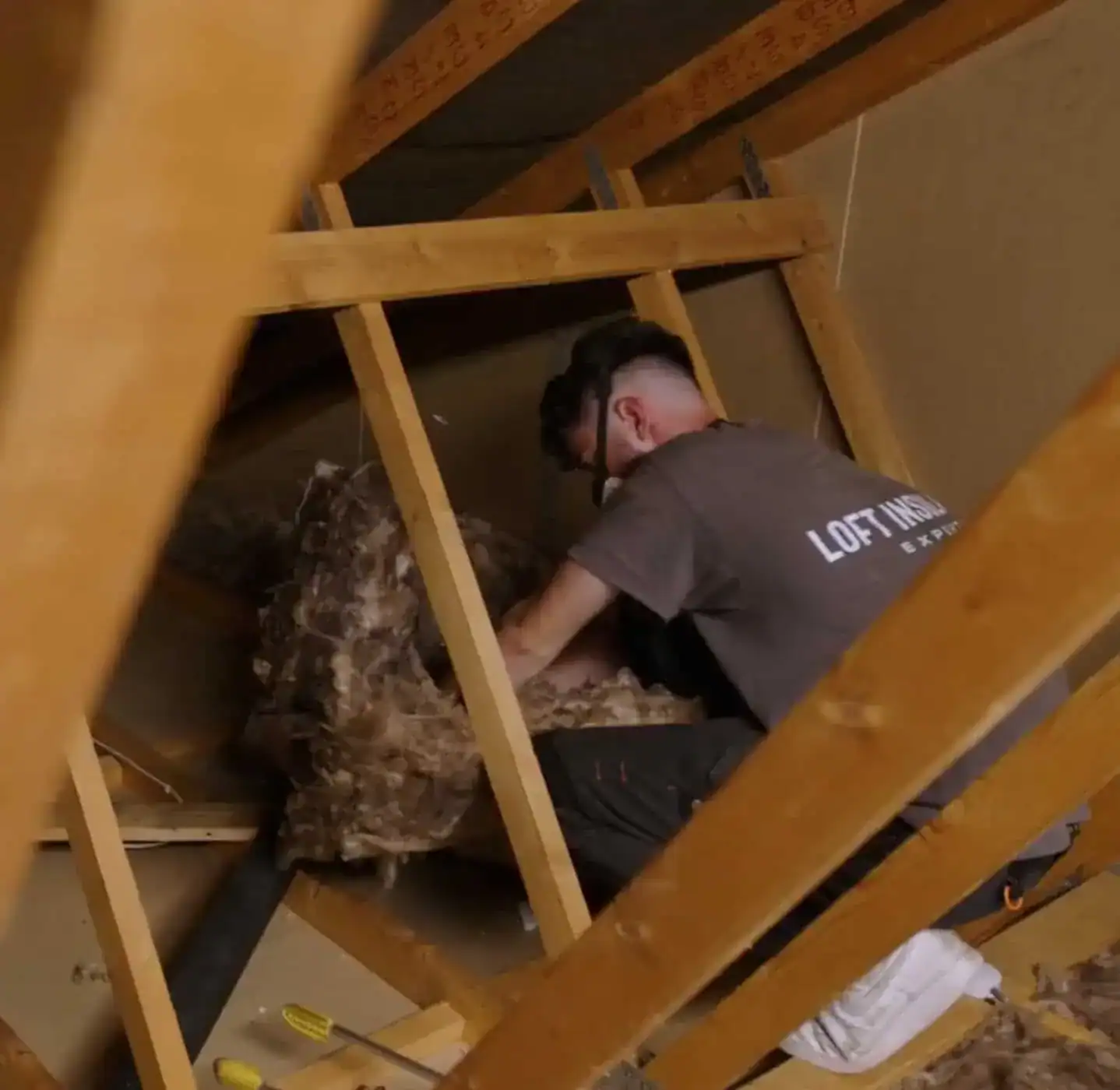
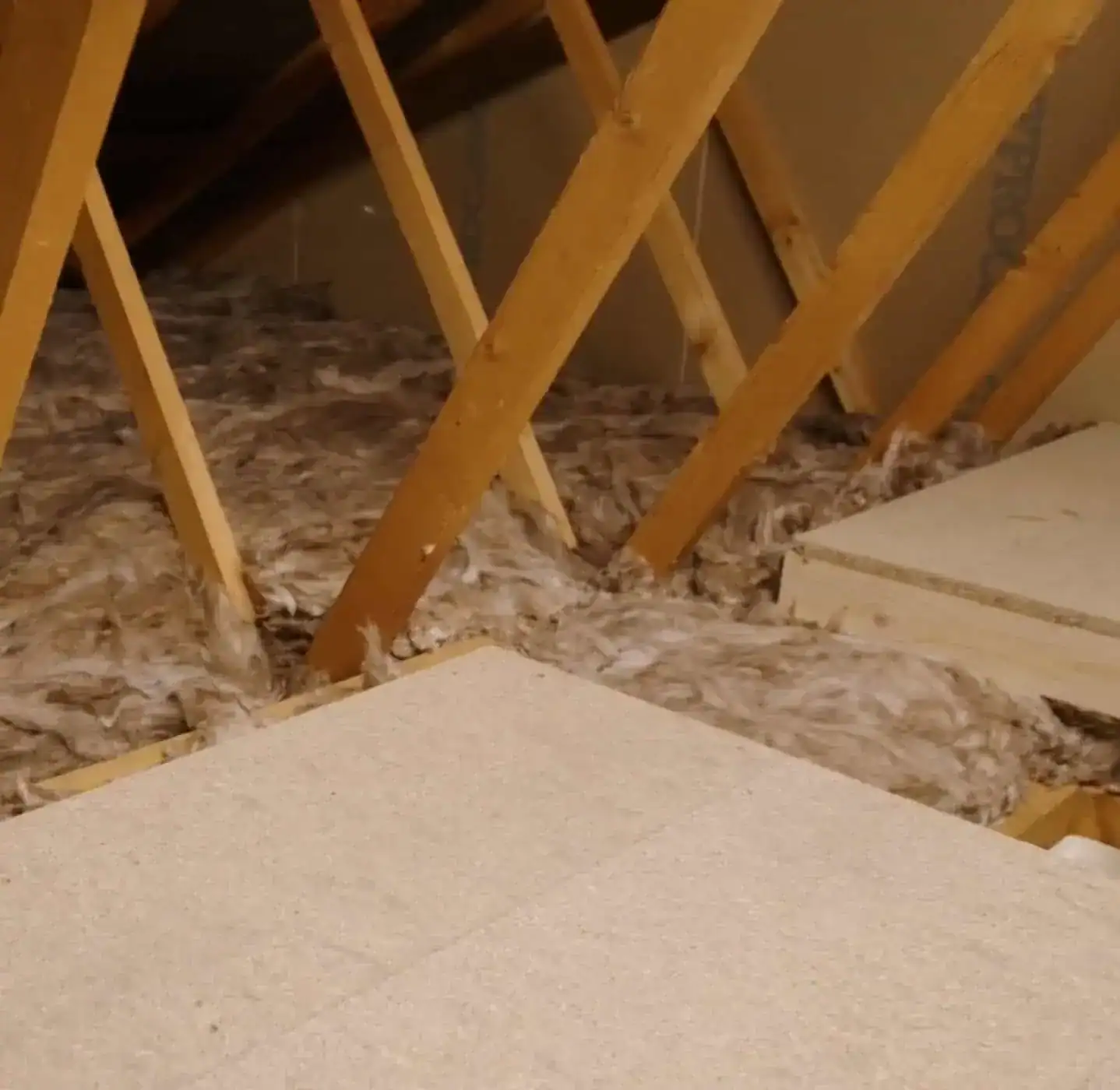
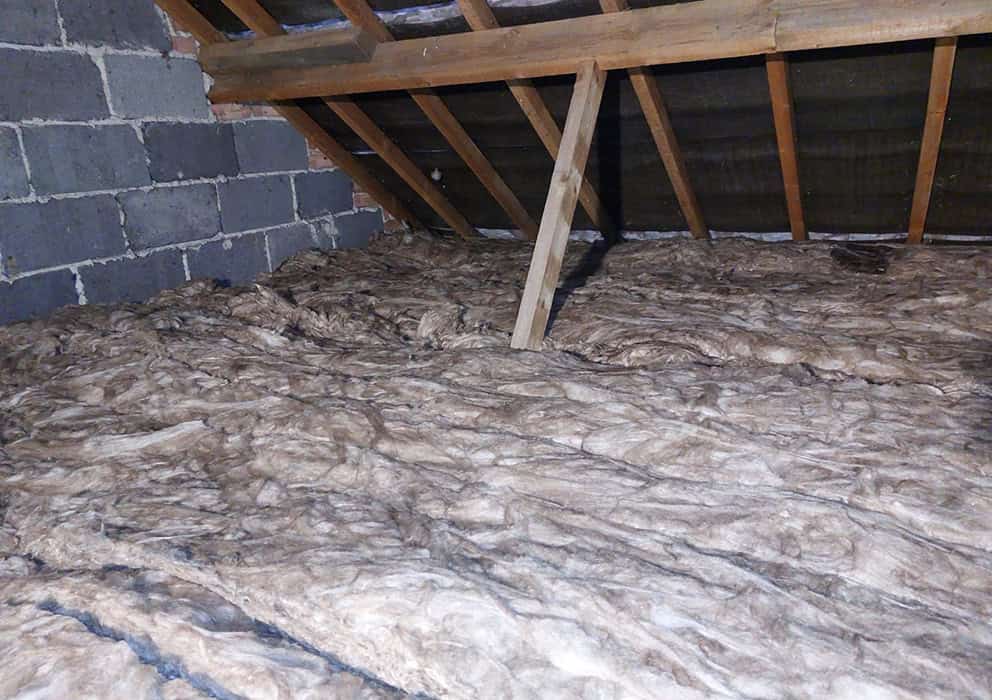
Loft insulation works by slowing heat transfer. It creates a thermal barrier that helps keep warm air in the living space below, which means your heating does not need to work as hard.
When installed correctly, loft insulation can help:
- Reduce heat loss through the roof.
- Maintain more stable indoor temperatures.
- Lower energy usage and overall heating demand.
If you want to understand the different options and what is best for your property, start here: Loft insulation installation and replacement.
How loft insulation can reduce heating bills
Savings vary by property type, existing insulation depth and the condition of your loft. Homes with older or uneven insulation often see the biggest improvement after an upgrade.
If you are budgeting for the work and want to understand what affects pricing, this guide will help: Loft insulation cost: 6 key factors.
Comfort benefits all year round
Loft insulation is not only useful in winter. In warmer months, it can also reduce heat entering your home through the roof, which helps bedrooms and upper floors feel more comfortable.
The result is a home that feels more consistent and less prone to extremes.
Environmental and carbon benefits
When your home uses less energy, it produces fewer emissions. Loft insulation is one of the most straightforward ways to lower your household’s environmental impact without changing how you live day to day.
For homeowners looking for a more natural material, you can also explore: Wool loft insulation.
Does loft insulation add value to your home?
Energy efficiency is increasingly important to buyers. A well insulated home is typically cheaper to run and can feel more comfortable during viewings, which can improve overall appeal.
It may also support a better EPC outcome, depending on the wider energy performance of the property.
Why proper installation matters
The benefits of loft insulation depend on how well it is installed. Poor coverage, blocked ventilation, or leaving damp insulation in place can reduce performance and sometimes contribute to condensation problems.
If you are worried about condensation or damp linked to insulation, this guide is worth reading: Can old loft insulation cause damp or condensation problems?
For homeowners dealing with spray foam, it is also important to understand the risks and next steps. See: Spray foam insulation mortgage problems and Spray foam removal.
FAQs
How thick should loft insulation be?
Current guidance often recommends around 270mm, depending on the insulation type and how your loft is configured.
Does loft insulation really make a difference?
Yes. Many homeowners notice improved warmth, fewer draughts and lower heating usage after upgrading inadequate insulation.
Is loft insulation suitable for all homes?
Most properties benefit, but a survey helps confirm the best approach, especially where ventilation, damp, or existing insulation issues are present.
Professional loft insulation across the South of England
We work with homeowners across the South of England, including Hampshire and nearby areas, providing tailored loft insulation solutions designed to reduce heat loss and improve comfort. Whether you are upgrading old insulation or investigating condensation issues, our experienced team can advise on the best next steps.
Contact us today to arrange a loft insulation assessment, or view our loft insulation service for more information.
Want extra peace of mind before you book? You can also read our customer feedback here: Reviews.