
How Long Does Loft Insulation Take to Install?
Quick answer: Many straightforward loft insulation installations can be completed within a few hours. The exact timescale depends on the size and accessibility of the loft, the condition of the existing insulation, whether old material needs to be removed and whether you are also having boarding or a loft ladder installed.
Improving your loft insulation is usually far less disruptive than many other home energy upgrades. In suitable properties, the work can often be completed during a single visit without affecting the rooms below.
However, no two lofts are exactly the same. A clear, accessible loft with dry insulation will normally be quicker to upgrade than one containing old boards, stored belongings, damaged material or difficult-to-reach areas.
In this guide, we explain how long loft insulation normally takes, what happens during the installation and what can make the job quicker or more involved.
What we cover
- Typical loft insulation installation times
- What happens during the appointment
- Factors that can extend the installation
- Whether old insulation needs to be removed first
- Combining insulation with loft boarding
- How to prepare for the installation
- Frequently asked questions
How long does a straightforward loft insulation installation take?
For a typical accessible loft, professional insulation can often be installed within a few hours. The team will need time to protect the working area, inspect the loft, move materials into position, install the insulation carefully and complete a final check.
A smaller, empty loft with clear access may be completed relatively quickly. A larger loft or one containing tanks, pipes, cables, downlights and restricted areas will require more detailed work.
The time quoted should therefore be based on a survey rather than a general estimate. A professional survey allows the installer to understand the loft layout and identify any work that needs to be completed before the new insulation is laid.
What happens on the day?
A professional installation normally follows a clear sequence.
1. Protecting the access route
The installers will prepare the route between the entrance to your home and the loft hatch. This helps protect floors and keeps disruption to a minimum while materials and equipment are carried through the property.
2. Completing a final loft check
Before starting, the team will confirm the condition of the loft and check that nothing has changed since the survey. They will look for leaks, damp, condensation, pest activity or anything else that could affect the installation.
They will also identify downlights, electrical cables, ventilation routes, tanks, pipes and other features that need special attention.
3. Preparing the existing insulation
If the old insulation is clean, dry and suitable to retain, it may be adjusted and used as part of the upgraded insulation layer. Uneven or displaced material can be carefully repositioned before the new layer is added.
If the material is unsuitable, it may need to be removed before installation begins. This should have been agreed following the survey so the right equipment and disposal arrangements are in place.
4. Installing the new insulation
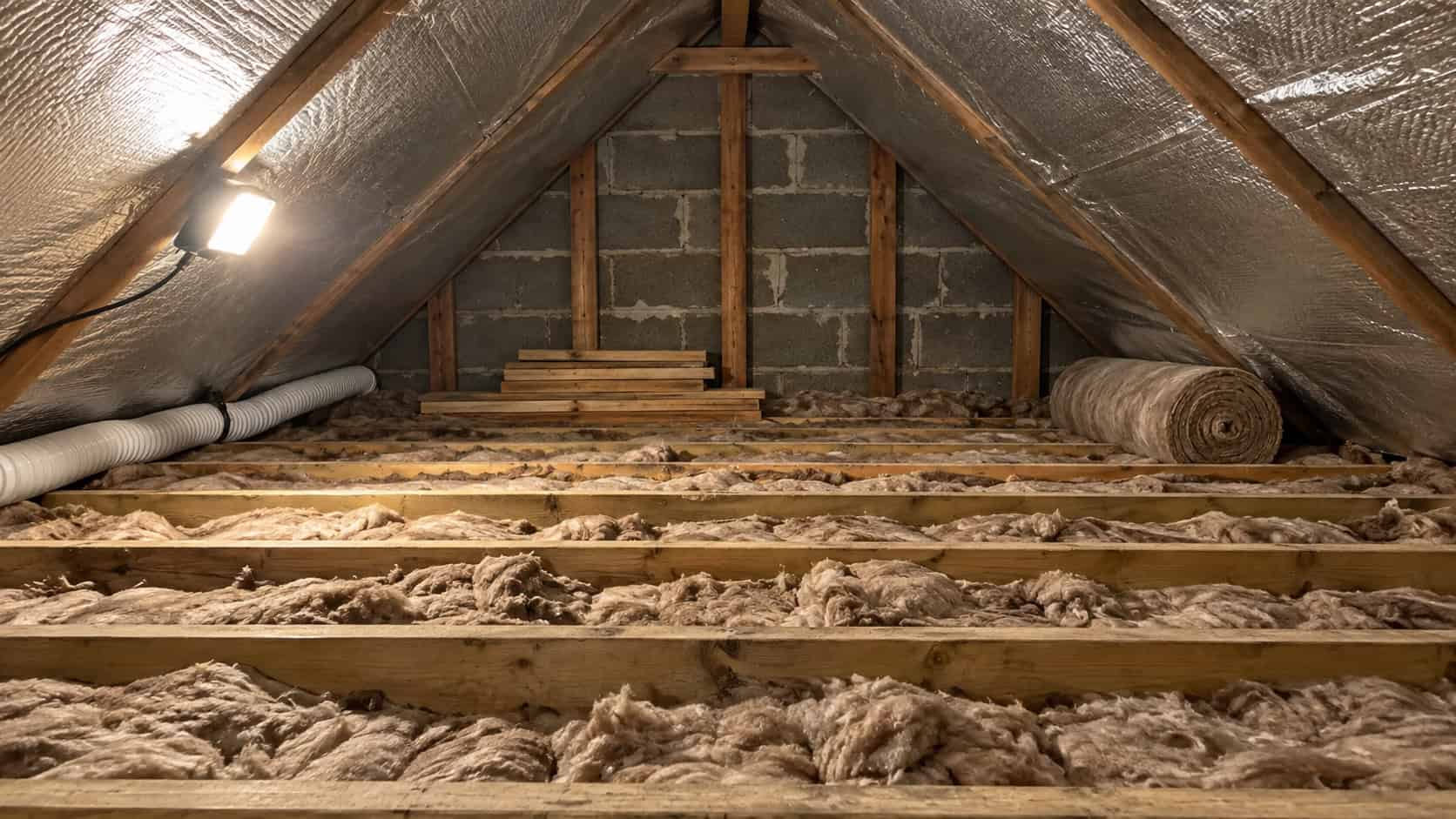
The new material is laid evenly across the loft floor to create a consistent thermal layer. Gaps and compressed sections can reduce performance, so the installation needs to be planned around the structure and services in the loft.
Ventilation points must remain clear, while downlights, cables, water tanks and pipework need to be treated correctly. You can read more about these details in our guide to installing loft insulation around downlights, cables and water tanks.
5. Inspecting and cleaning the area
Once the installation is complete, the team should check the coverage, ventilation routes and access points. Waste materials are removed and the working route through the home is left clean and tidy.
What can make loft insulation take longer?
The size of the loft matters, but it is only one part of the calculation. Several practical issues can affect the duration of the work.
Old insulation needs to be removed
Damp, contaminated, damaged or badly compressed insulation should not simply be covered with a fresh layer. Removing it safely, bagging it and clearing the loft will add time to the project.
Old insulation can sometimes be retained and topped up, so removal is not automatically required. Our existing guide explains when old loft insulation can be topped up and when removal may be more appropriate.
The loft contains stored belongings
Boxes and household items restrict access and make it harder to inspect the insulation beneath them. The loft should normally be cleared before the appointment unless another arrangement has been agreed.
If you need to keep using the loft for storage, a raised loft boarding system may be a better long-term solution than placing belongings directly onto the insulation.
Access is difficult
A small hatch, restricted headroom or an awkward stair position can slow down the movement of insulation and equipment. Some lofts also contain narrow eaves or extensions that are difficult to reach safely.
The survey should identify access limitations in advance. If regular access will be needed after the work, it may be worth considering a suitable loft ladder at the same time.
There are many services and obstructions
Water tanks, pipework, wiring, downlights, flues and ventilation routes require careful detailing. The insulation should not simply be pushed around or over everything in the loft.
Taking time over these areas helps protect safety, ventilation and future access while reducing unnecessary gaps in the insulation layer.
Damp, leaks or condensation are discovered
New insulation should not be used to hide an unresolved moisture problem. If the survey or installation reveals a leak, wet insulation, mould or excessive condensation, the cause may need to be investigated before work continues.
Pausing the installation can be frustrating, but dealing with the source of moisture first helps protect the new material and the roof structure.
Does insulation removal happen on the same day?
It can, depending on the size and condition of the loft. A modest amount of clean, accessible material may be removed and replaced during one appointment. Heavily contaminated insulation, large quantities of loose-fill material or restricted access can make removal a more substantial job.
The survey should establish the likely scope before the appointment. This allows the team to plan labour, protective equipment, bags and responsible disposal without creating unexpected delays on the day.
Can loft insulation and boarding be installed together?
Yes. Insulation and boarding can be planned as one project, and completing them together can avoid repeated visits and disruption.
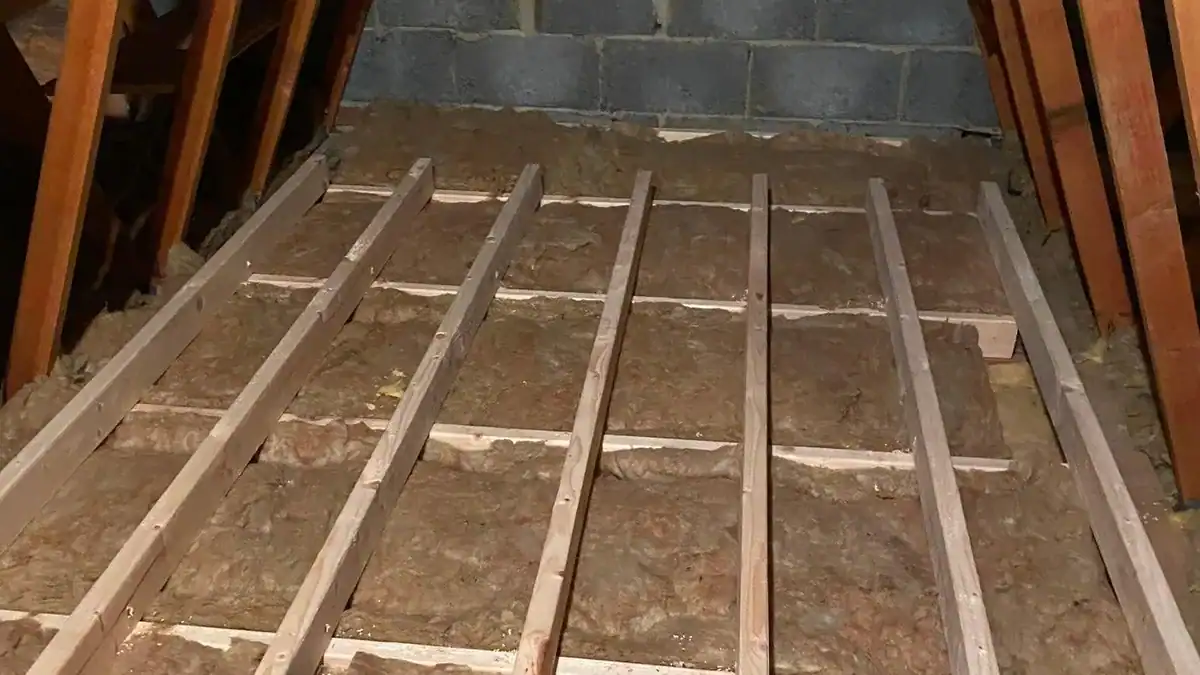
The boards should not be fixed directly onto soft insulation because this compresses the material and reduces the space available for the intended insulation depth. A raised system creates a storage platform above the insulation while helping it retain its designed performance.
Adding boarding will increase the installation time, particularly where the loft layout is irregular or access routes need to be created. However, it can leave you with a more practical loft that is easier to inspect and use safely.
How should you prepare for the installation?
A little preparation can make the appointment quicker and easier.
- Remove stored items from the loft unless agreed otherwise.
- Clear the landing and the route to the loft hatch.
- Move fragile or valuable items away from the working route.
- Tell the installer about known leaks, pests or electrical concerns.
- Make sure an adult is available to provide access and discuss the completed work.
- Keep children and pets away from the immediate working area.
Do not move electrical cables, alter downlights or disturb suspect insulation yourself. Point out any concerns during the survey so the appropriate professional advice can be arranged.
For a more detailed checklist, read our guide on preparing your loft before insulation or boarding is installed.
How soon will the home feel different?
Loft insulation begins reducing heat transfer as soon as it is installed, but the difference you notice will depend on the weather, heating use and the wider condition of the property.
During colder weather, homeowners may notice that upstairs rooms retain warmth for longer or that the heating does not need to work as hard to maintain a comfortable temperature. Loft insulation cannot correct every cause of a cold or draughty home, but it is an important improvement where roof-level heat loss is significant.
The Energy Saving Trust advises that homes can lose around 25% of their heat through an uninsulated roof. It also explains that correctly installed loft insulation reduces heat loss and heating demand. You can read its current roof and loft insulation guidance for further information.
Frequently asked questions
Do I need to leave the house during loft insulation?
Usually not. In many cases, you can remain at home while the work is completed. Access to the loft hatch and the immediate working route may be restricted, so follow the installer’s instructions and keep children and pets away from the area.
Can loft insulation be installed in one day?
Many standard installations can be completed in one visit. Removal work, difficult access, large lofts or additional boarding can extend the project.
Will the installers remove old insulation?
Yes, when removal has been included in the agreed work. The survey should confirm whether the existing insulation can remain, needs partial removal or should be replaced completely.
Can I put my belongings back immediately?
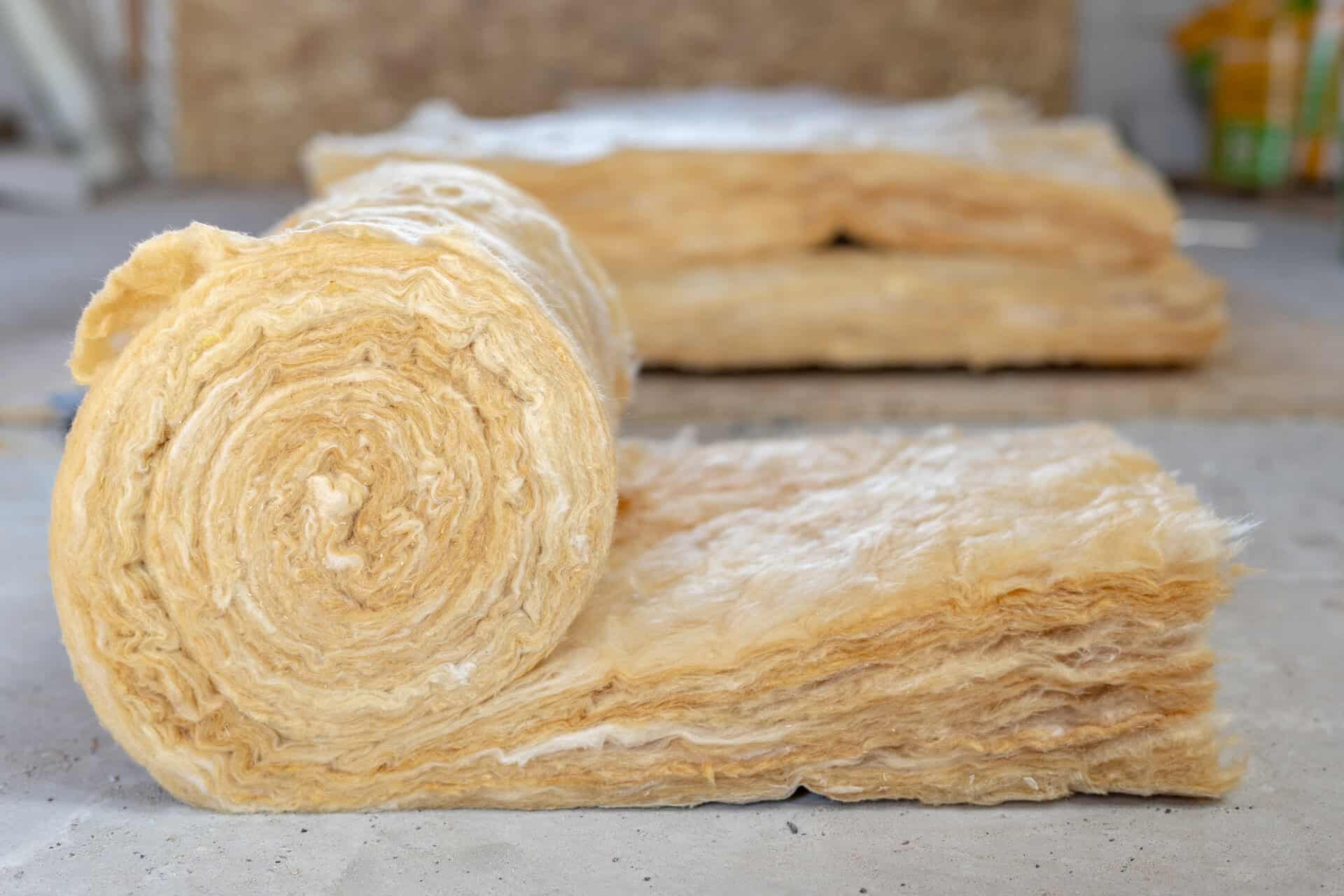
Items should not be placed directly onto mineral wool because this compresses it. If you need storage, use a correctly designed raised boarding area and follow the installer’s advice about loading and access.
Does the loft need to be empty?
Usually, yes. A clear loft allows the team to inspect the whole area and work safely. If you cannot remove everything, discuss this before the appointment rather than leaving it until installation day.
Arrange a professional loft survey
The most reliable way to understand the installation time is to have the loft assessed properly. Loft Insulation Experts provides free, no-obligation surveys across Hampshire and surrounding counties, including Dorset, Wiltshire, Somerset and Berkshire.
We will inspect the existing insulation, access, ventilation and loft services before recommending the right approach for your home.
Contact Loft Insulation Experts or call 01264 554551 to arrange your survey and receive a tailored quotation.