

How to Prepare Your Loft Before Insulation or Boarding Is Installed
Quick Answer: Before loft insulation or boarding is installed, remove stored belongings and make sure the loft hatch and route through your home are accessible. Tell the installer about leaks, damp, pests, fragile ceilings, electrical concerns or tanks in the loft. Do not remove contaminated insulation, disturb wiring or walk between exposed joists yourself. The professional survey should determine whether old insulation and boards need removing and whether ventilation, electrical or repair work is required first.
Preparing your loft before an installation helps the survey and work run smoothly. It gives the team safe access, reduces the risk of belongings becoming dusty or damaged and makes it easier to inspect the existing insulation and roof space properly.
However, homeowners should not feel they need to strip the loft back themselves. Old insulation, hidden wiring and areas without safe boarding can present risks. The best preparation is usually to clear what you can reach safely, share everything you know about the loft and leave technical work to the appropriate professionals.
This guide explains what to do before new insulation or raised boarding is fitted, what the installer should check and how to prepare your home for installation day.
What We Cover
- What happens during the initial loft survey
- How to clear stored items safely
- Whether existing boards and insulation need removing
- Checks for damp, leaks, pests and ventilation
- Downlights, cables, water tanks and pipework
- Planning insulation and raised boarding together
- Preparing access through your home
- What to expect on installation day
- Frequently asked questions
Start With a Professional Loft Survey
Every loft is different. The age and condition of the existing insulation, access, roof construction, ventilation and intended use of the space all affect the recommended work.
A survey should take place before the final specification and quotation. The surveyor may assess:
- The loft area and available access
- The type and depth of existing insulation
- Whether the material is clean, dry and evenly laid
- Existing boards and how they are supported
- Signs of condensation, water ingress or mould
- Ventilation at the eaves and elsewhere
- Electrical cables, downlights and other services
- Water tanks, pipes, flues and chimneys
- Safe locations for any new storage platform
This information helps establish whether the loft needs a straightforward top-up, full insulation removal and replacement, raised boarding or additional preparation.
Clear Stored Belongings From the Loft
Boxes, suitcases, decorations and furniture can prevent the installer from seeing or reaching the floor. Wherever possible, remove stored belongings from the planned work area before installation day.
Start early rather than trying to empty the loft the night before. Sort items into those you want to keep, relocate, donate or dispose of, then label anything that will return to the loft after the work.
When clearing the space:
- Only work from properly supported boards or a safe access platform
- Do not step between joists or onto the ceiling surface
- Use suitable lighting and avoid trailing leads
- Ask for help with bulky or heavy items
- Do not overload the loft ladder
- Stop if access is unsafe or the route is obstructed
If belongings sit beyond an area of safe boarding, tell the installation company rather than attempting to reach them. Clearance assistance may need to be agreed separately before the work.
Do You Need to Remove Existing Loft Boards?
Not always. The installer needs to assess how the boards are fitted, what lies below them and whether they form part of the proposed new layout.
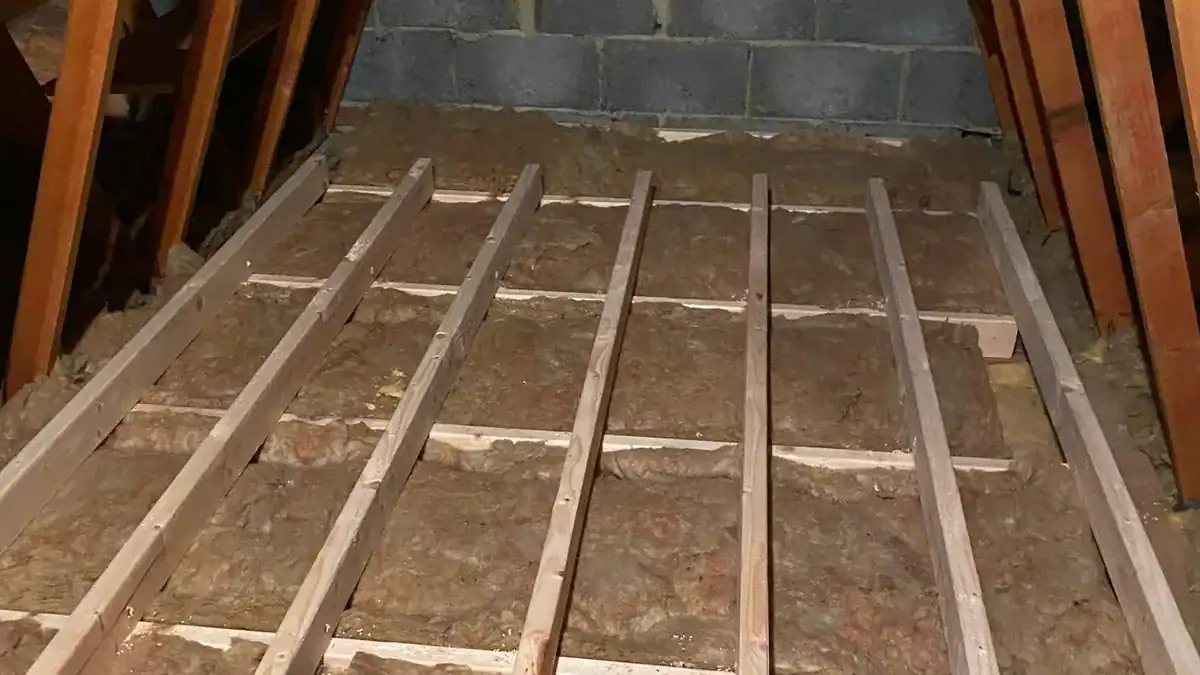
Older boards are often fixed directly to the joists with a shallow layer of compressed insulation underneath. If the loft is being upgraded to a greater insulation depth, some or all of those boards may need to be lifted.
Do not start pulling up boards without checking for screws, nails, cables, pipework and hidden openings. The quotation should make clear whether board removal and disposal are included.
If you want storage after the insulation upgrade, a professional raised loft boarding system can keep the platform above the insulation instead of compressing it.
Should You Remove Old Insulation Before the Appointment?
No, unless the installation company has specifically agreed a safe approach with you. Existing insulation can conceal wiring and joists, while older or contaminated material may release dust and debris when disturbed.
Insulation does not automatically require removal because of its age. It may be suitable for a top-up when it is dry, clean, evenly laid and in reasonable condition.
Removal may be recommended where insulation is:
- Damp, mouldy or affected by a previous leak
- Contaminated by rodents, birds or other pests
- Badly compressed, disturbed or patchy
- Mixed with building debris
- Preventing inspection or correct preparation
- Unsuitable for the proposed installation
Read our guide on whether old loft insulation should be removed or topped up for more detail.
Do Not Disturb Spray Foam Yourself
Spray foam fixed to the roof should not be cut or pulled away as part of general loft preparation. Removing it is a specialist process and may involve careful work around roof timbers, felt, fixings and electrical services.
If spray foam is present, tell the surveyor before the appointment. Loft Insulation Experts offers a dedicated spray foam removal service where removal is appropriate, followed by preparation for a suitable replacement insulation system.
Tell the Installer About Leaks, Damp or Condensation
New insulation should not be used to cover an unresolved moisture problem. Damp insulation loses performance, and trapped moisture can contribute to mould or damage within the loft.
Before the survey, note any history of:
- Roof leaks or slipped tiles
- Overflowing or leaking water tanks
- Condensation on roof felt or timbers
- Black mould or staining
- Musty smells
- Bathroom fans discharging into the loft
You do not need to diagnose the cause yourself. Photographs and information about when the problem appears can help the surveyor decide whether a roofer, plumber, electrician or ventilation specialist should attend before insulation is fitted.
Our article about old loft insulation and condensation explains why ventilation and moisture control need to be considered together.
Arrange Pest Treatment Before New Insulation
Rodent, bird or insect activity should be dealt with before clean insulation and boarding are installed. Look for droppings, nesting material, chewed packaging, damaged cables or repeated noises from the roof space.
Do not sweep or vacuum significant contamination without understanding the appropriate safety precautions. A pest professional may need to remove the source, identify entry points and advise when the loft is ready for further work.
New insulation should only be installed when the active problem has been addressed and contaminated materials have been handled appropriately.
Identify Downlights and Electrical Concerns
Make a note of rooms with recessed ceiling lights and point them out during the survey. The installer needs to identify the fittings from above and determine how the insulation can be detailed safely around them.
Do not move cables, open junction boxes or disconnect lighting yourself. Report anything that looks damaged, improvised, scorched or unusually warm so a qualified electrician can assess it if needed.
Electrical Safety First advises that downlights should not be covered by loft insulation unless the fitting is specifically designed and rated for that use. Our guide to DIY loft insulation safety also explains why complex wiring is a reason to use a professional installer.
Check Water Tanks and Pipework
Tell the surveyor about any cold-water storage tank, hot-water cylinder or exposed plumbing in the loft. Once insulation is added at ceiling level, the loft may become colder, so vulnerable tanks and pipes need to be considered.
A cold-water tank should normally have a secure lid and suitable insulation around its sides and top. The area directly beneath the tank is generally kept free from loft-floor insulation so warmth from below can help protect it from freezing.
Exposed water pipes may need correctly sized pipe insulation. Existing leaks, corrosion or poorly supported pipework should be repaired before access becomes more restricted.
The Energy Saving Trust’s loft insulation guide includes preparation advice for water tanks, pipework, lighting and ventilation.
Decide How You Want to Use the Loft
Tell the surveyor whether the loft will only need occasional maintenance access or whether you want a defined area for storage. This affects the boarding design, access route and position of insulation.
Boards should not be laid directly onto thick mineral wool. Compression reduces the material’s ability to trap air and can reduce thermal performance.
A raised system can support a storage platform above the insulation. It should also leave practical access to water tanks, valves, junction boxes and other services.
If access is currently difficult, it may be sensible to combine the work with professional loft ladder installation or a suitable hatch upgrade.
Confirm What the Quotation Includes
Before accepting the work, check that the quotation reflects the actual condition of the loft and your intended result.
Useful points to confirm include:
- Whether existing insulation will be retained, removed or topped up
- The insulation material and intended installed depth
- How ventilation, downlights, cables, tanks and pipes will be handled
- Whether old boards will be lifted and disposed of
- The size and position of any new raised boarding
- Whether a hatch or ladder is included
- Who is responsible for clearing belongings
- What happens if hidden damp or damaged wiring is discovered
- The expected programme, warranty and aftercare
A detailed survey and quotation reduce the chance of surprises once the loft is open and work begins.
Prepare the Route Through Your Home
The team will need to carry insulation rolls, tools and possibly boards from the entrance to the loft hatch. Clear this route of furniture, toys, pictures and fragile items where practical.
On installation day:
- Keep the driveway or agreed parking area accessible
- Make sure the loft hatch can be reached easily
- Keep children and pets away from the work route
- Move particularly delicate belongings from nearby rooms
- Tell the team about alarm sensors or access restrictions
- Ensure an adult who understands the agreed work is available
Professional installers should use appropriate protection and keep disruption under control, but providing a clear route makes the process safer and more efficient.
What Happens on Installation Day?
The team should confirm the agreed scope before starting. Depending on the project, the work may involve removing old insulation, lifting existing boards, clearing debris and preparing the loft before the new material is installed.
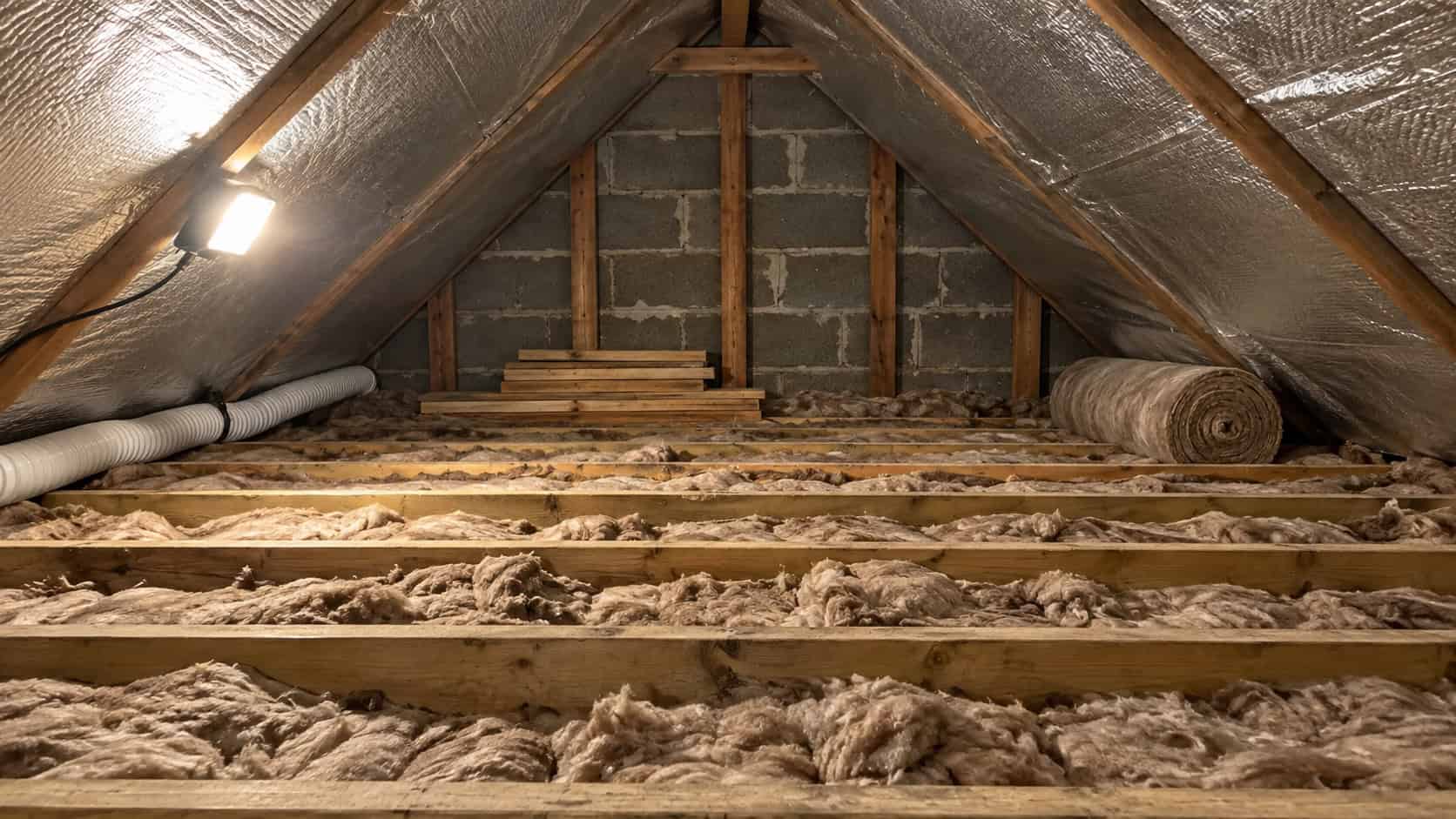
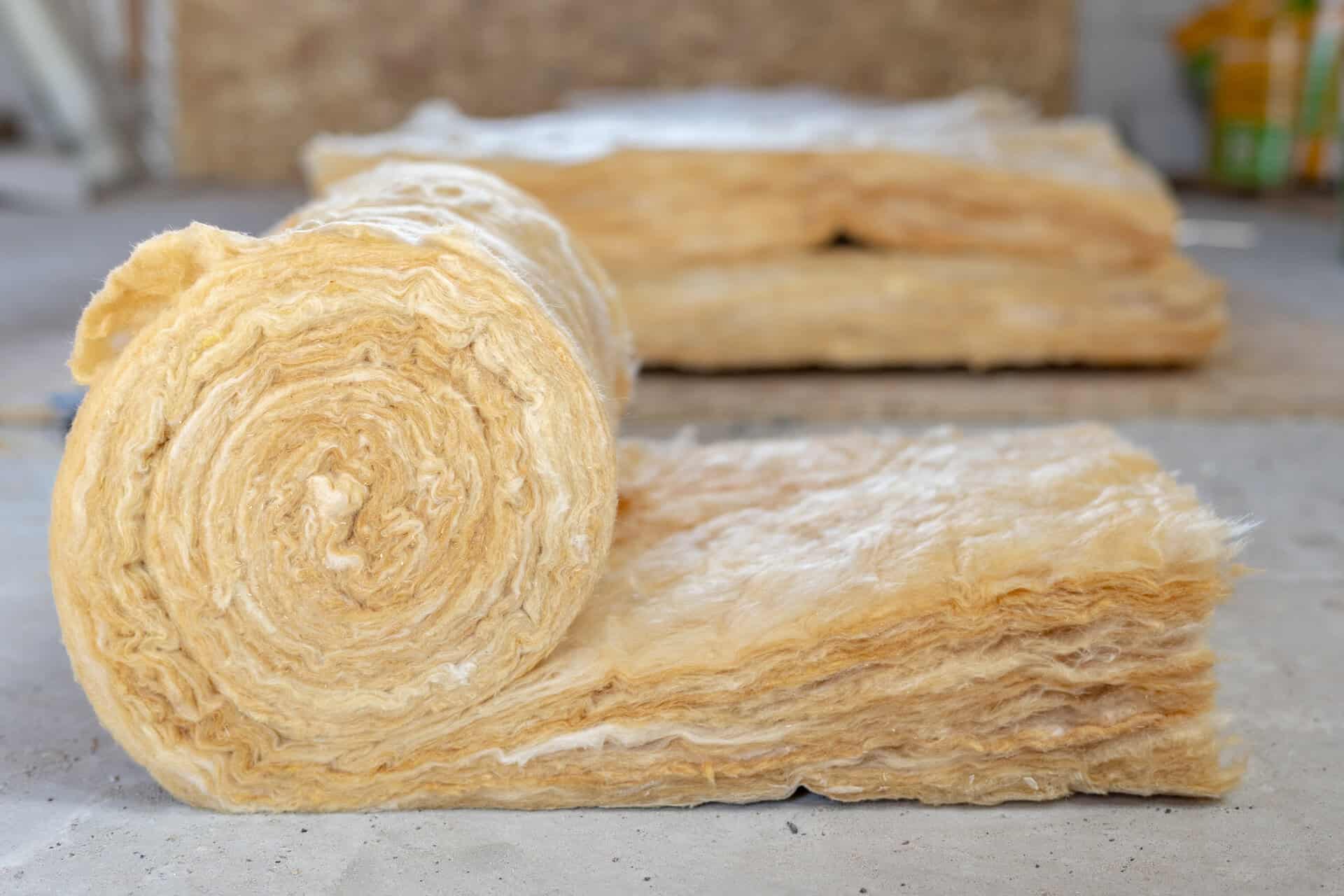
Mineral wool is commonly laid between the joists and then across them to create even coverage at the required depth. Careful details are formed around services, ventilation and the loft hatch.
If raised boarding is included, the support system and platform are then fitted without compressing the insulation. The work area should be cleared at the end, and you should receive any relevant advice about using the boarded area and keeping ventilation routes unobstructed.
What Should Go Back Into the Loft Afterwards?
Only use designated boarded areas for storage. Do not place boxes directly onto exposed insulation or push stored items into the eaves, as this can compress the material and obstruct airflow.
Spread items sensibly rather than concentrating excessive weight in one area. Loft boarding provides useful storage, but an ordinary boarded loft is not a habitable room and should not be treated as suitable for unlimited loads.
Keep access routes to tanks, valves, electrical equipment and other services clear for future maintenance.
Professional Loft Preparation Across Hampshire
Loft Insulation Experts provides surveys, insulation removal, mineral wool installation and raised loft boarding throughout Hampshire and surrounding parts of the South of England.
Our service area includes Andover, Southampton, Portsmouth, Winchester, Basingstoke, Eastleigh, Fareham, Gosport, Petersfield, Romsey and Waterlooville, as well as parts of Dorset, Wiltshire, Somerset and Berkshire. View the full areas we serve.
Frequently Asked Questions
Does my loft need to be completely empty?
The agreed work area normally needs to be clear. If you cannot safely reach or move certain items, discuss this before installation day rather than stepping onto unboarded areas.
Will the installers remove my old insulation?
Old insulation can be removed when this is included in the agreed quotation. It does not always need replacing, so the decision should follow a survey of its condition.
Can insulation be installed if the roof is leaking?
The source of an active leak should be repaired and affected areas allowed to dry before new insulation is installed. Covering an unresolved moisture problem can damage the new material and conceal deterioration.
Do I need an electrician before loft insulation is fitted?
Not for every loft. An electrician may be needed when wiring is damaged or unclear, cables require alteration, or downlights and electrical equipment cannot be confirmed as suitable for the proposed insulation detail.
Can my loft be insulated and boarded during the same project?
Yes. Planning the two together often produces the neatest result because the raised boarding layout can be designed around the full insulation depth, access route and services.
Can I leave boxes on top of the insulation?
No. Boxes compress the insulation and make movement across the loft unsafe. Stored belongings should only be placed on a properly supported boarding system.
Arrange Your Free Loft Survey
You do not need to make every preparation decision alone. A professional survey will identify what should be cleared, retained, repaired or removed before the installation begins.
Contact Loft Insulation Experts or call 01264 554551 to arrange a free home survey for loft insulation, removal or raised boarding.