
Can Loft Insulation Be Installed in Autumn or Winter?
Quick answer: Yes, loft insulation can normally be installed during autumn or winter. The work takes place inside the roof space, so cold weather alone does not usually prevent installation. The loft must be dry, safely accessible and free from unresolved leaks or serious condensation. A survey can confirm whether the property is ready for the work.
Many homeowners start thinking about insulation when temperatures fall and the heating comes back on. Cold bedrooms, rising energy use and a house that loses warmth quickly can make inadequate loft insulation much more noticeable.
You do not necessarily need to wait until spring. In many homes, autumn and winter are practical times to improve loft insulation, and the new thermal layer begins reducing heat transfer as soon as it is installed.
There are, however, several seasonal checks that should be made first. This guide explains when winter installation is suitable, what can delay the work and how to prepare your loft.
What we cover
- Whether loft insulation can be installed in cold weather
- The benefits of arranging work before or during winter
- How rain, damp and condensation affect installation
- What happens to tanks and pipes in a colder loft
- How long installation normally takes
- When the work should be postponed
- Frequently asked questions
Does cold weather stop loft insulation being installed?
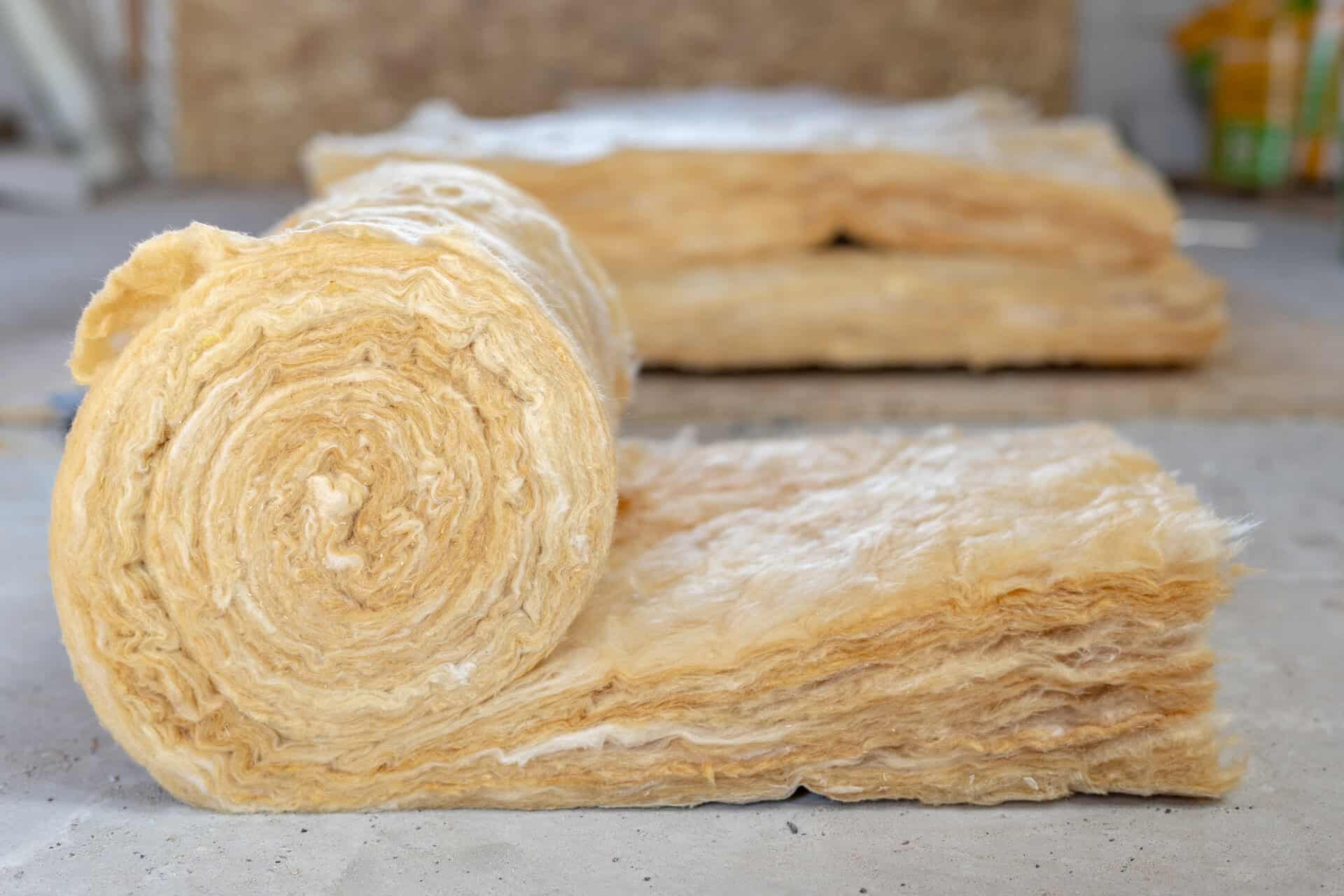
Cold outdoor temperatures do not usually stop mineral wool loft insulation from being installed. Unlike external work, the installation is completed inside the roof space and is not generally dependent on mild weather.
The important factors are the condition of the loft and the safety of the working environment. Installers need to check that the roof space is dry, ventilated and accessible, and that there are no leaks or defects that should be repaired first.
The insulation itself must also remain dry. Wet or damp material will not perform as intended, which is why reputable installers protect materials during transport and do not install them into an unsuitable roof space.
Why consider loft insulation before winter?
An uninsulated or poorly insulated roof can allow a significant amount of heat to escape from the home. The Energy Saving Trust states that an uninsulated home can lose around 25% of its heat through the roof.
Installing or upgrading loft insulation helps slow this heat transfer. This can reduce heating demand and make it easier to maintain a comfortable temperature during colder weather.
Arranging the work before the coldest part of winter can be useful because:
- You begin benefiting from the insulation during the same heating season.
- Cold rooms and rapid heat loss can be investigated before temperatures fall further.
- Existing insulation problems may be easier to notice when the heating is in regular use.
- The survey can identify exposed pipes, an unprotected water tank or other winter risks.
You can find independent information about heat loss and insulation benefits in the Energy Saving Trust’s roof and loft insulation guide.
Can loft insulation be installed when it is raining?
Rain outside does not automatically prevent work inside the loft. However, the roof must be watertight and materials need to be carried into the property without becoming wet.
If rain reveals an active roof leak, the affected area should not simply be covered. The source of the water needs to be repaired, and the loft should be allowed to dry before damaged insulation is replaced.
Signs that may indicate a leak include:
- Wet patches on the roof felt or timbers
- Dark staining beneath tiles or around roof penetrations
- Insulation that feels wet, heavy or matted
- Damp marks on the ceiling below
- A localised musty smell
A leak and condensation can look similar, so the cause should be identified rather than assumed.
What about condensation in the loft?
Condensation is often more noticeable during colder months. Warm, moisture-laden air from the home can enter the loft and meet cold roof surfaces, where the moisture turns into water droplets.
Loft insulation is an important part of an energy-efficient home, but it must work alongside suitable ventilation and moisture control. Insulation pushed tightly into the eaves can block airflow, while gaps around the loft hatch and ceiling penetrations can allow warm air into the roof space.
A professional survey should look for:
- Water droplets on felt, membranes or roof timbers
- Mould or staining
- Blocked eaves, soffit or tile ventilation
- Bathroom or extractor ducting that terminates in the loft
- Gaps around the loft hatch or ceiling penetrations
- Damp or contaminated existing insulation
If the existing insulation is damp, it may need to be removed after the moisture source has been corrected. Read our guide to old loft insulation, damp and condensation for more information.
Will new insulation make the loft itself colder?
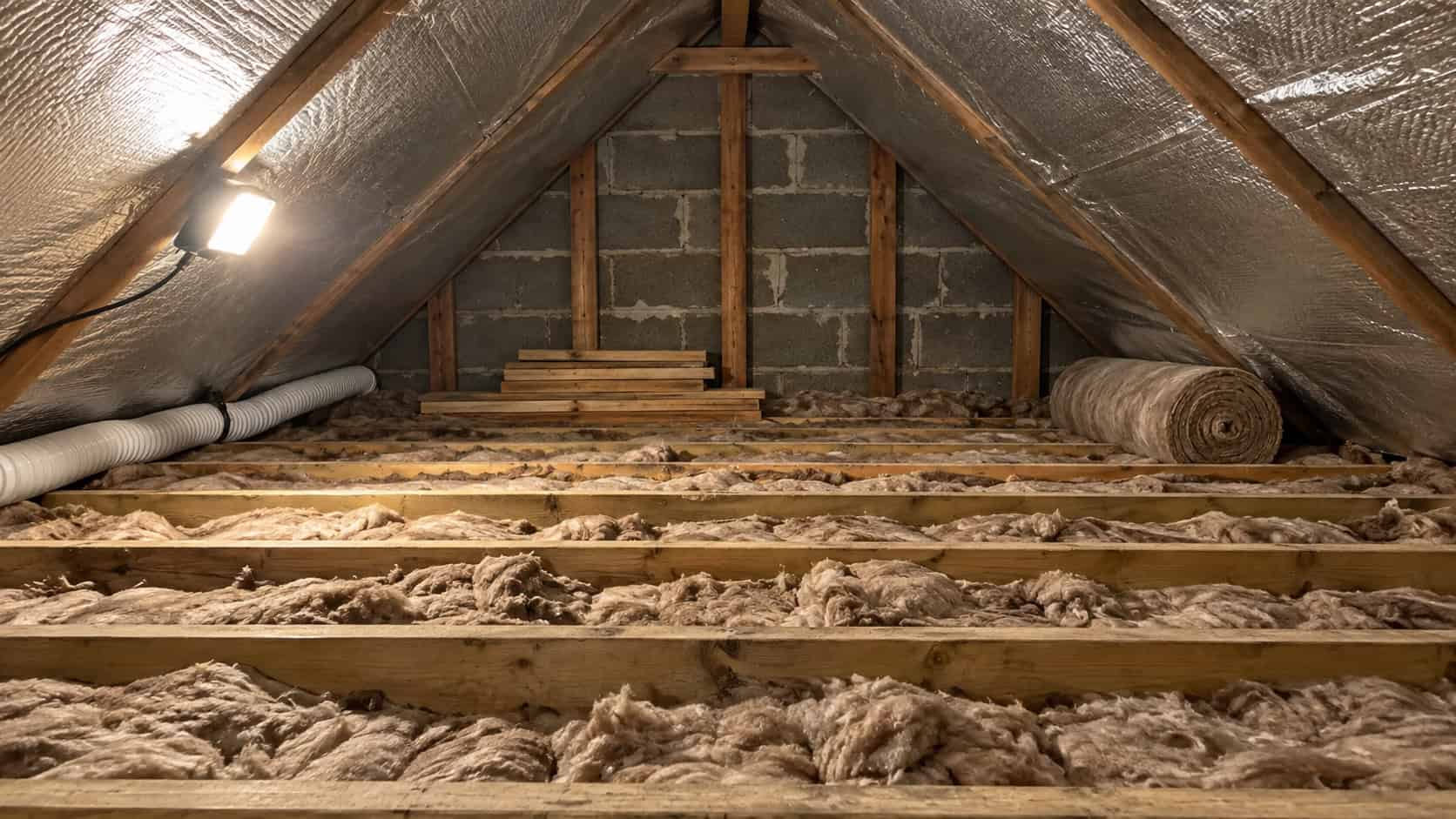
It can. Loft-floor insulation is designed to retain more warmth within the rooms below, so less heat reaches the roof space. In a traditional cold loft, this means the area above the insulation may become colder during winter.
This is expected, but it makes the treatment of water tanks and pipework particularly important. Exposed pipes should be protected with suitable insulation, while cold-water storage tanks generally need an appropriate jacket around the sides and top.
Loft-floor insulation is not normally placed directly beneath a cold-water tank because some warmth from the home below helps reduce the risk of freezing. The right detail depends on the actual arrangement, so tanks and pipework should be inspected as part of the installation.
Our guide to insulation around water tanks, pipes, cables and downlights explains these points in more detail.
Can existing insulation be topped up in winter?
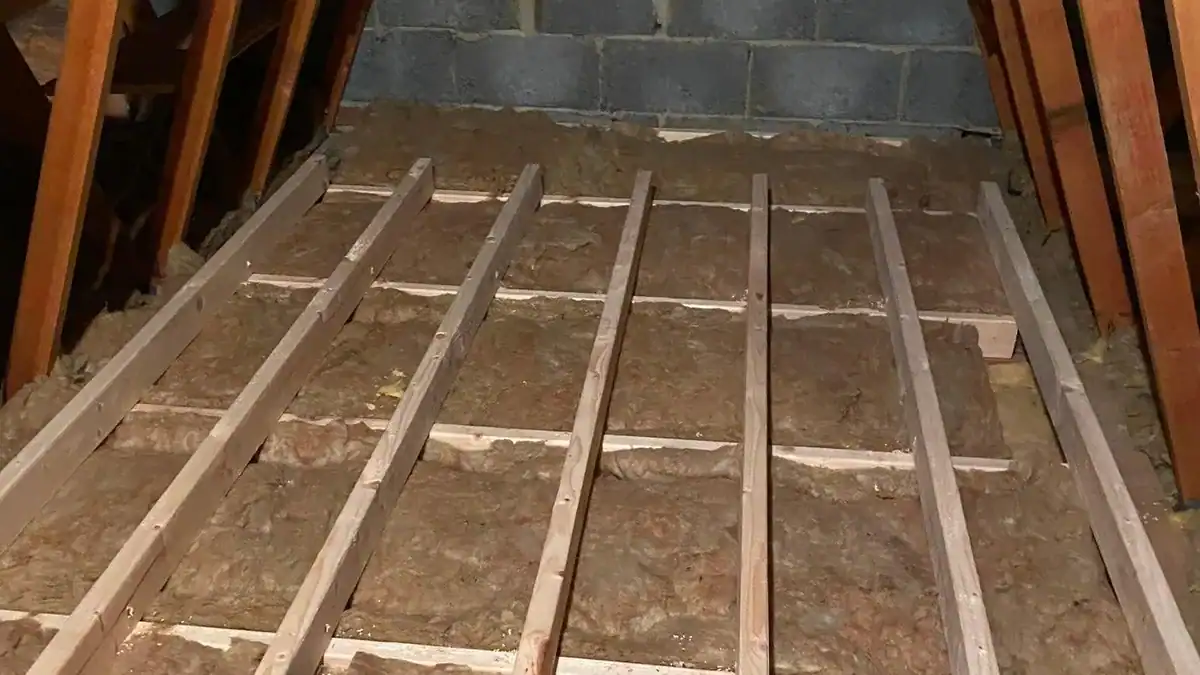
Yes, provided the material already in the loft is dry, clean, evenly laid and suitable to retain. A new layer can then be installed to improve overall coverage and thermal performance.
Topping up is not always the correct solution. Existing insulation may need partial or complete removal if it is:
- Wet or mouldy
- Contaminated by pests
- Badly compressed or damaged
- Mixed with significant dirt or debris
- Blocking ventilation routes
- Poorly fitted around services and loft edges
Covering defective insulation can hide a problem and make future removal more difficult. A survey will help establish whether it can be retained, rearranged or replaced. You can also read our advice on removing or topping up old loft insulation.
How long does winter loft insulation take?
Many straightforward installations can be completed within a few hours. The season itself does not necessarily make the job longer, although short daylight hours, difficult access or poor weather when materials are being unloaded can affect the practical arrangements.
The main factors influencing the timescale are:
- The size and shape of the loft
- The amount and condition of existing insulation
- Whether removal and disposal are required
- The position of tanks, pipes, wiring and downlights
- The accessibility of eaves and extensions
- Whether raised boarding or a loft ladder is also being installed
Our related guide explains how long loft insulation takes and what happens during the appointment.
Can loft boarding be installed during winter?
Yes. Raised loft boarding can be installed during the same project, provided the loft is dry and suitable.
Planning the insulation and boarding together helps ensure the storage platform sits above the insulation rather than compressing it. The layout can also preserve access to water tanks, valves, electrical equipment and other items that may require maintenance.
Boarding provides useful storage, but it does not convert the loft into a habitable room. The structure, loading and access still need to be appropriate for the intended use.
When should winter installation be postponed?
There are situations where the best decision is to address another issue before installing new insulation.
Work may need to wait if:
- The roof has an active leak.
- Timbers or existing insulation are wet.
- There is extensive mould or unresolved condensation.
- Pest contamination has not been dealt with.
- Unsafe wiring or damaged electrical fittings require attention.
- The loft contains suspect materials that need specialist assessment.
- Access is unsafe or the loft is too cluttered for the team to work properly.
A delay in these circumstances protects the home and allows the insulation to be installed into a suitable environment. It is better to correct the cause than to cover it and risk further damage.
How to prepare for an autumn or winter appointment
Before the team arrives:
- Clear stored items from the loft where possible.
- Keep the landing and route to the loft hatch unobstructed.
- Tell the installer about known leaks, condensation or pest activity.
- Make sure the team can park close enough to unload materials safely.
- Keep children and pets away from the working route.
- Do not disturb wiring, downlights or contaminated insulation yourself.
For a complete checklist, see how to prepare your loft before insulation or boarding.
Frequently asked questions
What is the best time of year to install loft insulation?
Loft insulation can be installed throughout the year when the roof space is dry and suitable. Autumn is popular because homeowners can prepare for colder weather, but there is no general need to wait until spring if the loft is ready.
Will the house be colder while the work is completed?
The loft hatch will be open for parts of the appointment, so the nearby landing may temporarily feel cooler. This is normally short-lived, and you can usually remain at home during the installation.
Can wet loft insulation dry out by itself?
Do not assume that wet insulation can simply be left in place. The cause of the moisture should be identified, and damaged or contaminated material may require removal. Installing another layer over wet insulation is not an appropriate solution.
Does loft insulation work immediately?
It begins reducing heat transfer as soon as it is installed. How quickly you notice a difference will depend on outdoor temperatures, heating use, the previous insulation and other sources of heat loss around the property.
Can you install insulation if the loft contains a water tank?
Yes, but the tank and pipework must be treated correctly. They need appropriate protection against cold, and access to valves and controls should be maintained.
Prepare your home for colder weather
Autumn and winter can be suitable times to upgrade loft insulation, provided the roof space is dry, ventilated and safe to work in. A professional survey will identify existing insulation problems and confirm whether removal, a top-up or complete replacement is appropriate.
Loft Insulation Experts provides free, no-obligation surveys across Hampshire, Dorset, Wiltshire, Somerset and Berkshire.
Contact Loft Insulation Experts or call 01264 554551 to arrange your survey and receive clear advice for your property.